
How To
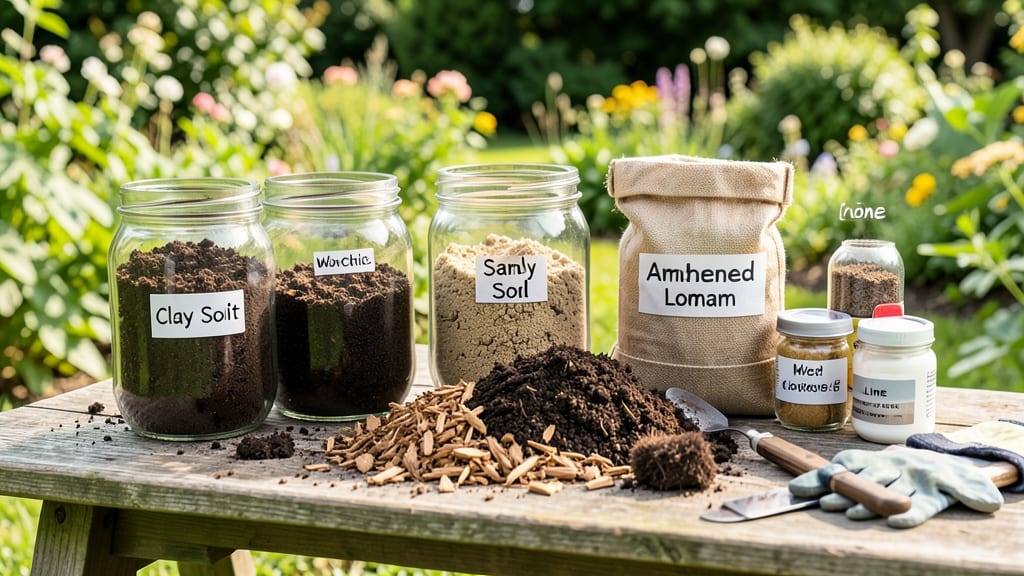
Soil amendment means improving soil quality by incorporating materials that enhance its structure, fertility, and nutrient content to support stronger plant growth and higher yields.
Soil amendment is all about giving your garden the right foundation for thriving plants. 🌱 By mixing in materials like compost, peat moss, or sand, you're essentially creating a more hospitable environment for roots to spread and absorb nutrients.
This process helps break up compacted soil, improves drainage, and introduces beneficial microbes that plants rely on. Think of it like upgrading from a basic smartphone to a premium model—your plants will perform better with the right "software" (soil) to run on.
What makes this especially useful is how customizable it is. For example, clay-heavy soil benefits from coarse sand to prevent waterlogging, while sandy soil needs organic matter like compost to retain moisture. The key is matching the amendment to your specific soil type and plant needs.
I’ve seen firsthand how a simple amendment like crushed eggshells (for calcium) can transform struggling tomatoes into prolific producers!
💡 In This Article
- How Soil Amendments Enhance Plant Growth Mechanically
- Best Organic and Inorganic Soil Amendments for Different Needs
How soil amendments enhance plant growth mechanically
Soil amendments work by physically altering the soil's composition to create an optimal growing environment. For instance, compost introduces organic matter that breaks down into humus, a spongy substance that improves water retention while preventing compaction. This means your plants won't struggle during dry spells or drown in heavy rains.
The humus also creates tiny air pockets, boosting oxygen flow to roots—critical for energy production through respiration. Without this aeration, roots suffocate, stunting growth.
Another key mechanism is how amendments like perlite or vermiculite add porosity to dense soils. These mineral-based additives create air channels that improve drainage while maintaining moisture. For example, clay soil—often waterlogged—can be transformed by adding coarse sand or perlite, which increases pore space by up to 30%.
This structural change reduces the risk of root rot and encourages deeper root penetration, allowing plants to access nutrients from lower soil layers. 🌱
Microbial activity is where organic amendments truly shine. Materials like worm castings or peat moss introduce beneficial bacteria and fungi that decompose organic matter, releasing nutrients in forms plants can absorb. This microbial network also helps suppress harmful pathogens.
A study by the University of California found that amended soil with active microbial communities showed a 40% increase in nutrient uptake compared to unamended soil, directly translating to healthier, more productive plants.
The texture of soil amendments plays a surprising role too. Fine particles like silt improve water-holding capacity, while coarse materials like gravel enhance drainage. For example, a mix of 50% compost and 30% perlite creates an ideal balance for container gardening—retaining moisture while preventing soggy roots.
This tailored approach is why professional growers often customize amendments based on the plant's stage (seedling vs. mature) and environmental conditions.
Even the chemical composition matters. Amendments like lime adjust pH levels, making nutrients like nitrogen and phosphorus more accessible. Without proper pH balance, plants can't absorb these essential elements, even if they're present in the soil.
For instance, blueberries thrive in acidic soil (pH 4.5-5.5), while most vegetables prefer neutral soil (pH 6.0-7.0). A simple soil test can reveal what amendments your garden needs to unlock its full potential.
What most gardeners overlook is how amendments interact over time. Organic matter like leaf mold slowly decomposes, continuously improving soil structure for years. Meanwhile, inorganic amendments like gypsum provide immediate calcium for plant cell walls.
This dual-action approach—short-term fixes and long-term benefits—is why soil amendment isn't a one-time task but an ongoing process for maintaining healthy soil ecosystems. 💛