
How To
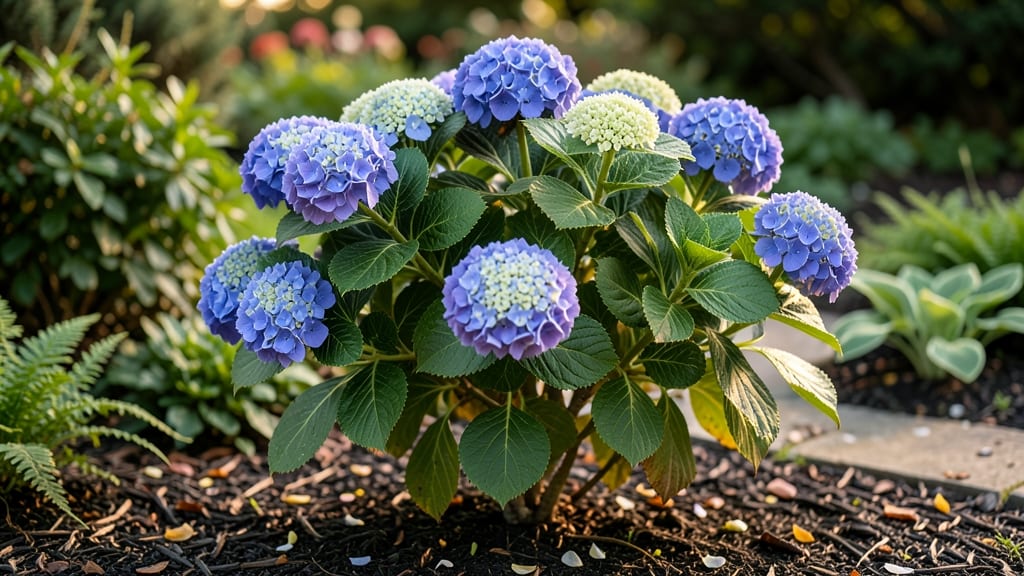
For acid soil hydrangeas, maintaining a pH between 5.0 and 6.0 ensures vibrant blooms. Test your soil with a pH kit or meter, then lower the pH using sulfur or peat moss if needed—avoid lime or wood ash, which increase pH and harm acid-loving varieties like blue or pink hydrangeas.
Hydrangeas are famously finicky about soil acidity because they rely on aluminum availability to produce their signature colors.
When the pH climbs above 6.0, aluminum becomes less accessible, often shifting blue blooms to pink or purple. 🌸 The best way to keep your hydrangeas thriving is to test your soil annually, especially if you notice duller flowers or slower growth.
Organic matter like pine needles or coffee grounds can also help maintain acidity naturally over time.
If your soil tests too alkaline, sulfur is the fastest way to lower pH—it works within weeks—but peat moss provides a slower, more gradual adjustment. I’ve found that a combination of both often yields the best long-term results, especially in heavy clay soils where pH can fluctuate unpredictably.
💡 In This Article
- How Soil pH Affects Hydrangea Flower Colors
- Step-by-Step Guide to Lowering Soil pH for Hydrangeas
How soil pH affects hydrangea flower colors
The vibrant hues of hydrangea blooms—ranging from deep blues to soft pinks—are directly tied to soil pH levels and aluminum availability. At pH 5.0-6.0, aluminum becomes soluble in the soil, allowing hydrangeas to absorb it through their roots.
This aluminum interacts with anthocyanin pigments, producing the signature blue shades. When pH rises above 6.0, aluminum binds to soil particles and becomes unavailable, shifting flower colors toward pink or purple due to different pigment dominance.
This mechanism is unique to hydrangeas because most plants don’t rely on aluminum for pigmentation. For example, blueberries also thrive in acidic soil (pH 4.5-5.5), but their color changes aren’t as dramatic as hydrangeas.
The science behind it involves soil chemistry: as pH increases, aluminum oxides form insoluble compounds, effectively "locking out" the element that blue hydrangeas need. 🌸 In contrast, pink hydrangeas produce more delphinidin pigments, which aren’t pH-dependent.
Soil composition plays a crucial role in pH stability. Sandy soils drain quickly, making pH adjustments temporary, while clay soils hold amendments longer. Organic matter like compost or pine needles buffers pH changes naturally, but heavy clay can resist adjustments, requiring more frequent testing.
I’ve observed that container-grown hydrangeas (potted in acidic mixes) maintain color better than those in alkaline garden beds, proving how soil structure influences pH dynamics.
Another factor is rainfall—acidic soils in wet climates may need less frequent amendments, while dry regions benefit from regular sulfur applications. Hydrangeas react differently than vegetables (e.g., tomatoes prefer pH 6.0-7.0), making them a prime example of how pH requirements vary across plant families.
The key takeaway: aluminum availability is the hidden driver behind those stunning blue blooms.
For gardeners, this means testing soil annually is non-negotiable. A simple pH test kit ($10-$15) reveals whether your soil leans too alkaline or acidic. If your hydrangeas are producing duller blooms or fewer flowers, it’s often a sign the pH has drifted outside the ideal range.
The color shift isn’t just cosmetic—it’s a direct response to the plant’s inability to access essential nutrients.
Pro tip: If you’re growing blue hydrangeas and want to keep them that way, aim for pH 5.0-5.5. For pink varieties, a slightly higher pH 6.0 works, but avoid exceeding 6.5, as this can stress the plant.
The difference between a pH 5.5 and 6.0 soil can mean the difference between electric blue and soft lavender blooms!
Understanding this science helps explain why some gardeners struggle to maintain consistent colors year after year. It’s not just about adding sulfur—it’s about creating the right chemical environment for your hydrangeas to thrive. 💫