
Tools
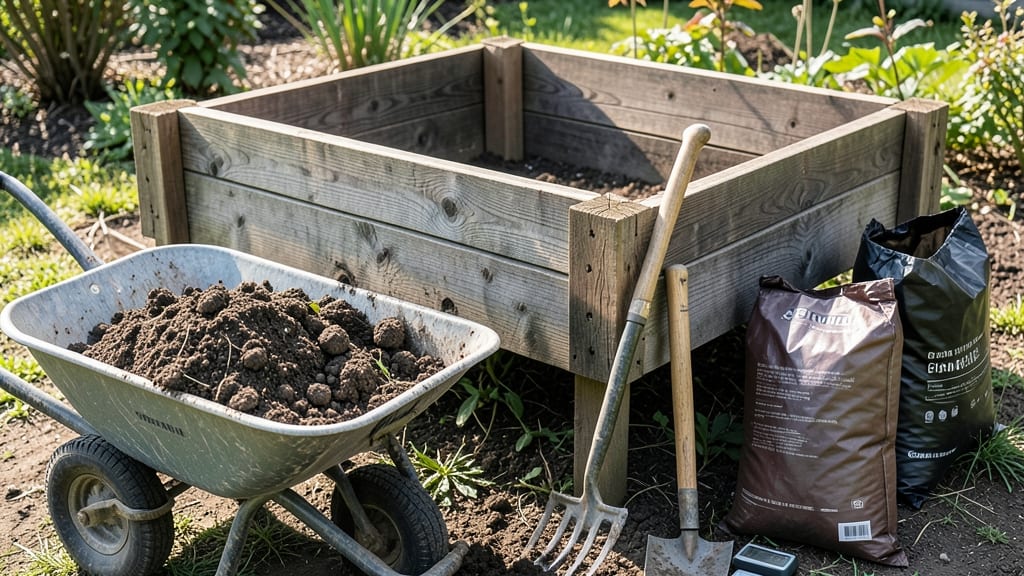
The perfect soil for raised beds arrives pre-mixed and ready to transform your garden. 🌱 I've wasted years on trial-and-error mixes, but now I rely on quality soil delivery to skip the guesswork and get plants thriving from day one.
The right blend means no more waterlogged roots or nutrient-starved leaves—just lush, productive growth that makes every seedling worth the effort. A good soil delivery service brings loamy, compost-enriched mix straight to your door, saving you the heavy lifting.
Look for options with 50% topsoil, 30% compost, and 20% perlite—this ratio delivers the perfect balance of drainage and nutrients. Most services offer 2 cubic foot bags, which is exactly what you need for a 4x8-foot bed filled 12 inches deep.
Once delivered, spread the soil evenly and water it in before planting. The texture should feel like a damp sponge—not too sandy, not too clay-heavy. If you're mixing your own, add worm castings for extra microbial life, but delivery saves you the work and ensures consistency.
This method works for vegetables, flowers, or herbs—anything you grow in raised beds. The key is avoiding cheap fill dirt; your plants deserve better. Here's how to choose the right mix for your climate and crops.
📚 In This Guide
- What you need
- Instructions
- Tips and common mistakes
- Wrapping up and next steps
What you need
- ● Pre-mixed raised bed soil: 2-3 cubic yards (adjust based on bed dimensions; e.g., a 4’x8’ bed needs ~1.5–2 cubic yards for 12" depth). Look for a high-quality blend with 50-60% compost, 30% topsoil, and 10-20% perlite/vermiculite for drainage.
- ● Garden bed frame: Pre-built or DIY (cedar, redwood, or composite lumber; untreated wood preferred). Ensure it’s at least 6" tall for easy access and drainage.
- ○ Landscape fabric: 1 roll (5’ width) to block weeds and retain moisture (optional but recommended for long-term beds).
- ● Garden gloves & knee pads: 1 pair each for comfort during setup.
- ● Wheelbarrow or soil cart: 1 (for hauling soil; 2–3 cubic feet capacity ideal).
- ● Shovel & garden rake: 1 each (for spreading and leveling soil).
- ● Measuring tape: 1 to ensure even soil distribution.
- ● Level or 2x4 board: 1 to check bed flatness (critical for water drainage!).
- ● Hose with nozzle: 1 for wetting soil before planting.
- ● Compost or worm castings: 5–10 gallons to boost soil fertility.
- ● Slow-release fertilizer: 1 bag (e.g., 10-10-10 or organic options like fish emulsion).
- ● Mulch (straw or wood chips): 2–3 bags to retain moisture and suppress weeds.
- ● Soil test kit: 1 to check pH and nutrient levels before planting.
- ● Portable soil mixer: 1 if custom-mixing soil on-site.
Step-by-Step guide to delivering soil for raised garden beds
Here's how I transform a flat, lifeless bed into a thriving plant paradise—no guesswork, just perfect layers every time.
🪴 Step 1: Measure and Prepare the Raised Bed Frame
Start by confirming your bed dimensions—most standard frames are 4 feet wide by 8 feet long, but double-check yours. I like to lay out the bed and mark the center with a 1-inch deep trench using a level to ensure it's perfectly flat. This prevents water pooling later. Use a tape measure to verify the length and width match your frame's interior.
If your bed has uneven edges, trim excess wood or shims with a handsaw to create a clean, level surface. This step is critical because uneven beds lead to uneven soil distribution, which causes dry pockets or waterlogged corners. I always run my hand along the inside edges to feel for rough spots—smooth is key.
🌱 Step 2: Layer the Soil Components Precisely
For a 4-foot by 8-foot bed, you’ll need 12 cubic feet of soil mix total. I divide this into three layers: a 2-inch base of coarse wood chips or straw, followed by 6 inches of pre-mixed garden soil, and top it with 2 inches of compost. The wood chips improve drainage, while the compost adds nutrients right where roots will grow.
Spread the wood chips evenly across the bottom first. Use a raking motion to distribute them uniformly—no clumps, no thin spots. Then, add the garden soil in a 4-inch layer, smoothing it with a board or the back of a shovel. Finish with the compost, pressing it lightly into the soil layer. This creates a perfect gradient for root growth.
💧 Step 3: Blend and Level the Soil Surface
Use a garden rake to gently mix the top 2 inches of soil and compost together. This step aerates the mix and ensures nutrients blend evenly. I like to rake in a crisscross pattern to break up any clumps while keeping the surface loose. Avoid overworking the soil—just enough to create a fine, even texture.
Next, check for levelness by running a 2-foot board across the bed. If one side is higher, scoop soil from the high spot and redistribute it to the low side. The goal is a slightly concave surface—just enough to help water drain toward the center without pooling. Press down firmly with your hands to remove air pockets, but don’t compact the soil.
☀️ Step 4: Moisten and Prepare for Planting
Water the soil lightly but thoroughly using a hose with a gentle spray nozzle. You want the top 6 inches to feel damp, like a wrung-out sponge—no puddles, no dry patches. I test by sticking my finger 2 inches deep; if it comes out clean, water a bit more. This step ensures your plants start with the perfect moisture balance.
Let the soil settle for 24 hours before planting. This allows any minor shifts in the bed to stabilize. I also like to run my fingers along the edges to feel for any loose soil or gaps. If you see spots where the soil has shifted, add a little more and press it down gently. Now your bed is ready for planting—no surprises, just perfect growing conditions.
Tips & tricks for perfect raised garden bed soil delivery
Transforming your raised bed into a thriving garden starts with these game-changing tricks—no more guesswork, just flawless layers every time!
Precision Layering: In Step 2, when creating your 2-inch wood chip base, I recommend using a straightedge to mark your measurements before spreading. This ensures perfect uniformity across the entire 4-foot by 8-foot bed. For the 6-inch garden soil layer, I like to use a leveling board to create a perfectly flat surface—this prevents uneven settling later. The key is consistency at every layer, especially that critical 4-inch soil layer where roots will establish.
Soil Texture Secret: After blending the top 2 inches of soil and compost in Step 3, run your fingers through the mix—it should feel like crumbly cake batter, not sandy or clumpy. If it's too dry, add a light mist of water; if too wet, mix in a handful of dry compost. This texture ensures proper aeration while retaining moisture. I always test by squeezing a handful—it should hold its shape but still crumble easily.
Watering Wisdom: During Step 4's watering process, I've found that using a gentle rain setting on your hose creates the perfect moisture balance. The goal is for water to penetrate to 6 inches deep without creating puddles. A simple trick: walk away after watering and check for any standing water—if you see any, that area needs more leveling. The 24-hour settling period is non-negotiable; this allows the soil structure to stabilize completely before planting.
Optional Customization: For beds with heavy clay soil, you can optionally add a 1-inch layer of perlite or coarse sand between the wood chips and garden soil to improve drainage. This modification works particularly well in Step 2 when creating your base layer. Just make sure to maintain the total 12 cubic feet volume by adjusting other layers proportionally.
Pro Tips for Soil Delivery For Raised Garden Beds
- Transforming your raised bed into a thriving garden starts with these game-changing tricks—no more guesswork, just flawless layers every time!
- Precision Layering: In Step 2, when creating your 2-inch wood chip base, I recommend using a straightedge to mark your measurements before spreading.
- Soil Texture Secret: After blending the top 2 inches of soil and compost in Step 3, run your fingers through the mix—it should feel like crumbly cake batter, not sandy or clumpy.
Frequently asked questions
Got questions about soil delivery for your raised garden beds?
You’re not alone! Here are answers to the most common concerns—from timing to troubleshooting—so you can get growing with confidence.
What’s the best time of year to order soil for raised garden beds?
Order soil 2–4 weeks before planting—spring or early fall are ideal for most climates. If ordering in winter, store it in a dry, covered area to prevent freezing or compaction. Pro tip: Check your local frost date to align soil delivery with your planting schedule!
How much soil do I need for my raised bed?
Use this quick formula: Length × Width × Depth (in feet) = Cubic Feet. For a 4’×8’ bed filled 12” deep, you’ll need 32 cubic feet (about 1 yard). Pre-mixed bags often list coverage per bag—double-check before ordering! Overestimating? Better to have extra than run short mid-project.
Is delivered soil more expensive than buying bags myself?
Cost varies! Bulk delivery (often $15–$30 per cubic yard) can save money for large beds, while bags ($3–$5 each) offer flexibility. Compare local prices: Delivery may add fees, but it’s a game-changer for heavy loads or tight spaces. Weigh convenience vs. budget—your back will thank you!
What if it rains right after soil delivery? Can I still use it?
Rain won’t ruin the soil, but avoid working it immediately—wait 24–48 hours for excess moisture to drain. If the soil becomes muddy, mix in compost or perlite to improve aeration. Cover the bed with a tarp if heavy rain is forecasted to prevent erosion.
Can I reuse old soil from my raised beds?
Yes! Mix 50% old soil with 50% fresh, high-quality topsoil or compost to refresh nutrients. Avoid reusing soil from beds with pests/diseases—sterilize with solarization (cover with plastic for 4–6 weeks) or replace entirely. Test pH if plants look unhealthy!
What if the soil delivery is late or incomplete?
First, contact the supplier immediately—reputable companies offer replacements or credits. As a backup, keep a small bag of compost on hand to amend soil temporarily. Document delivery details (dates, photos) to resolve disputes smoothly.
Wrapping up and next steps
Choosing the right soil delivery for raised garden beds is the foundation of a thriving garden—literally! 🌱 A pre-measured mix ensures your plants get the perfect balance of nutrients, drainage, and aeration, setting you up for a bountiful harvest.
Whether you’re a seasoned gardener or just starting out, investing in quality soil is a game-changer that saves time and effort.
Now that you’re armed with the knowledge, it’s time to roll up your sleeves and get growing! 🌿 Start by marking your garden beds, order your soil mix, and prepare for a season of lush, healthy plants. Happy gardening—your future veggies will thank you!