
How To
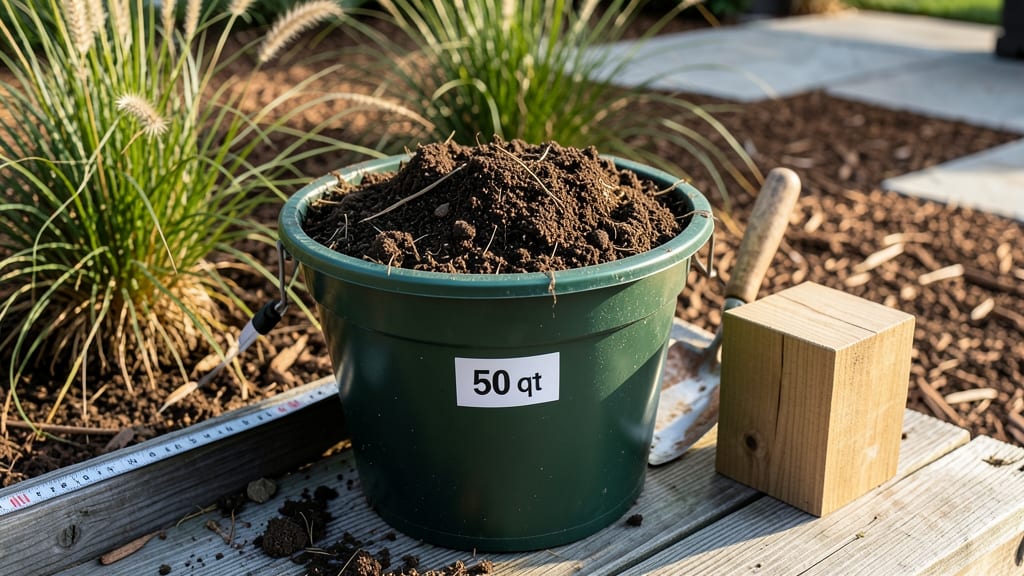
Converting 50 quarts of soil to cubic feet equals approximately 1.307 cubic feet, which is essential for precise measurements in garden planning, container gardening, or calculating potting mix quantities.
Understanding this conversion helps gardeners avoid over- or under-filling containers, ensuring proper root development. 🌱 For example, a 1.307 cubic foot volume translates to about a 12-inch deep raised bed measuring 12x12 inches, which is ideal for most vegetable plants.
The conversion also comes in handy when purchasing bulk soil—knowing exactly how much space your project requires prevents costly overbuying or running short mid-project.
What makes this measurement particularly useful is how it bridges two common gardening units. Most soil bags are sold in quarts, but garden bed dimensions are typically planned in cubic feet.
This conversion lets you seamlessly translate between the two, whether you're calculating how many bags to buy for a new raised bed or determining how much soil to mix for a large container garden. Precision here directly impacts plant health and growth potential.
💡 In This Article
- How Quart and Cubic Foot Measurements Relate in Soil Volume
- Practical Applications for 50-Quart Soil Conversions in Gardening
How quart and cubic foot measurements relate in soil volume
The conversion between quarts and cubic feet relies on a precise mathematical relationship where 1 cubic foot equals 29.922 quarts. This means every quart of soil occupies roughly 0.0334 cubic feet, creating a direct ratio for accurate calculations.
For 50 quarts, multiplying by this conversion factor gives you the 1.307 cubic feet figure, which is critical for understanding how much space your soil will actually fill in a garden bed or container.
Why does this matter so much in gardening? Soil volume directly impacts root development and plant health.
A cubic foot of soil provides a specific amount of growing space, and knowing this helps you determine how many plants you can fit in a container or how deep your raised bed should be.
For example, most vegetables need at least 1 cubic foot of soil per plant for optimal growth. If you're working with 50 quarts, that translates to enough soil for about one medium-sized plant in a 12-inch deep container.
However, soil density plays a surprising role here. Loamy soil, which is rich in organic matter, typically weighs about 70-100 pounds per cubic foot, while sandy soil can weigh as little as 40-60 pounds per cubic foot.
This means that 50 quarts of loam will occupy slightly less space than the same volume of sand due to its higher density. When planning your garden, consider the type of soil you're using—this affects not just volume but also moisture retention and nutrient availability.
For visualizing this, imagine filling a standard 12-inch deep raised bed that measures 12x12 inches. This creates a volume of exactly 1.307 cubic feet, which matches our 50-quart conversion.
The precision here ensures you don’t overfill or underfill your bed, which could lead to poor drainage or insufficient root space. 🌱 This is especially important for container gardening, where every inch counts.
Another key factor is how soil settles over time. Freshly mixed soil can compact by 10-20% once watered, reducing its volume. If you're planning a project where settling matters (like a raised bed), account for this by adding an extra 10-15% more soil to your calculations.
This adjustment ensures your plants have the space they need as the soil settles and compacts.
Understanding these nuances helps you avoid common mistakes, like buying too little soil and running short mid-project or purchasing excess that goes to waste. Whether you're a beginner or a seasoned gardener, mastering this conversion gives you the confidence to plan with precision. 💫