
Neem Oil
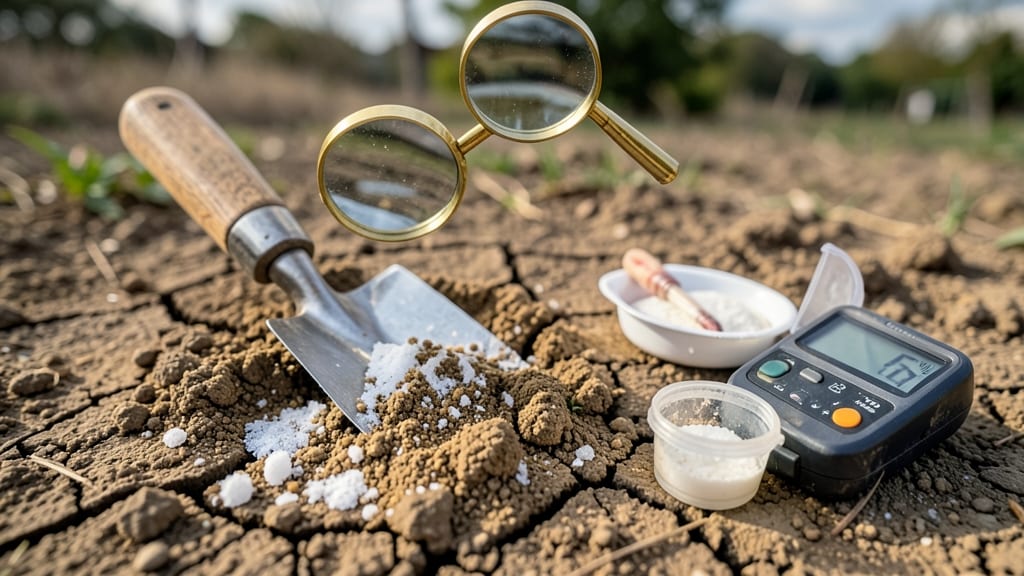
Your soil turning white isn’t just weird—it’s a cry for help from your plants. 🌱 I’ve seen this happen after overwatering, salt buildup, or even fungal blight, and the good news is, most cases have simple fixes.
The key is figuring out why it’s happening so you can stop it before your garden suffers.
Salt buildup from tap water or fertilizers is the most common culprit, especially in containers or hot climates. Fungal growth (like powdery mildew) can also leave that chalky residue, while mineral deposits might appear after heavy rains or poor drainage.
The first step? Check your water source—if it’s hard or high in salts, switch to rainwater or distilled water immediately.
For fungal issues, neem oil is your secret weapon. Mix 1 tablespoon per quart of water, spray the soil (not just leaves), and repeat weekly until the white film disappears.
Organic amendments like compost or perlite can also help break up compacted, salty soil. Within 2-4 weeks, your soil should look—and act—normal again.
This fix works for potted plants, raised beds, and even lawns. The sooner you act, the faster your garden bounces back. Let’s get that soil healthy again—your plants will thank you with stronger roots and better growth.
The Hidden Causes Behind White Soil
If your soil is turning white, it’s not just a random quirk of nature—it’s a sign that something is disrupting the delicate balance of your garden’s ecosystem. Understanding the root causes will help you diagnose the issue and take action before it spreads.
Let’s break down the most common culprits, from microscopic invaders to environmental shifts, and why they’re turning your soil into a ghostly white canvas.
One of the most common reasons for white soil is fungal activity, particularly powdery mildew or mold. These fungi thrive in moist, shaded conditions and can spread rapidly across soil surfaces, especially in pots, greenhouse beds, or areas with poor airflow.
- How it happens: Fungal spores land on organic matter (like mulch or decaying leaves) and release enzymes that break down nutrients. As they grow, they form a white, powdery or fuzzy coating—often mistaken for salt or chalk.
- Key triggers:
- Overwatering or poor drainage (keeps soil damp for long periods).
- High humidity or lack of sunlight (fungi love shade).
- Organic debris (like old plant matter) acting as a food source.
- Red flag: If the white substance brushes off easily and smells musty, it’s likely fungal. Unlike salt, it won’t dissolve in water.
If your white soil looks more like a crusty residue than a fuzzy layer, you might be dealing with salt accumulation. This is especially common in potted plants, hydroponic setups, or areas where tap water with high mineral content is used regularly.
- How it happens: Over time, minerals like calcium, sodium, and magnesium from water or fertilizers evaporate and leave behind a white, chalky deposit on the soil surface.
- Key triggers:
- Using hard water (high in dissolved minerals) for irrigation.
- Over-fertilizing, especially with synthetic salts (e.g., potassium chloride).
- Evaporation in pots or containers (traps salts on the surface).
- Red flag: The white substance will feel gritty and may dissolve slightly when wet. It’s often more concentrated near the edges of pots or in raised beds.
Some white soil isn’t a fungus or salt at all—it could be the eggs, larvae, or frass (waste) of soil-dwelling pests. Creatures like mealybugs, scale insects, or fungus gnats leave behind white, cottony residues as they feed and reproduce.
- How it happens:
- Mealybugs and scale excrete a sticky substance called honeydew, which can harden into a white, waxy film.
- Fungus gnat larvae leave behind white, thread-like tunnels in moist soil.
- Springtails (tiny white pests) multiply in damp soil, creating a white, speckled appearance.
- Key triggers:
- Overwatered or soggy soil (attracts larvae and adults).
- Poor drainage (traps pests and their waste).
- Old compost or decaying plant matter (provides shelter).
- Red flag: Look for tiny moving dots (pests) or sticky residue on leaves below the soil line. The white substance may also smell slightly sweet or sour.
If you’ve recently amended your soil with lime, gypsum, or other soil conditioners, the white residue might be undissolved minerals or a reaction between the amendment and your soil’s pH. This is common in acidic soils where lime is added to neutralize pH.
- How it happens:
- Lime (calcium carbonate) or gypsum (calcium sulfate) can leave behind a white, powdery layer if not fully incorporated into the soil.
- In high-pH soils, these amendments may react with organic matter, creating a white, chalk-like byproduct.
- Key triggers:
- Applying amendments to the surface without mixing them in.
- Using too much lime or gypsum in one application.
- Dry or compacted soil (prevents proper dissolution).
- Red flag: The white substance will be dry and powdery and may disappear when watered (if it’s undissolved lime). Check if you’ve recently adjusted soil pH.
Now that you know what’s causing the white soil, the next step is figuring out how to fix it—especially if fungi are the culprit. Neem oil can be a game-changer for fungal blight, but the right approach depends on the root cause. Stay tuned!
Fix White Soil Issues Fast
Now that you’ve identified the culprit behind your soil’s ghostly transformation, it’s time to take action! Whether it’s fungal blight, salt buildup, or a sneaky pest infestation, each problem has a targeted solution—plus ways to keep your soil healthy long-term.
Let’s roll up our sleeves and get your garden back to its vibrant self.
Cause: Fungal spores thrive in damp, poorly ventilated soil. Fix: Neem oil is your secret weapon here—it’s a natural fungicide that disrupts fungal growth without harming your plants.
- 🔥 Mix Your Neem Oil Solution
- Combine 1 tablespoon of neem oil with 1 teaspoon of mild dish soap (helps it stick) and 1 quart of water.
- Stir well in a spray bottle for even coverage.
- 👨🍳 Apply to Soil & Plants
- Spray the mixture directly onto the white patches and surrounding soil.
- Focus on the roots, stems, and leaf undersides if fungal blight has spread to plants.
- Reapply every 7–10 days until the white residue fades (usually 2–3 weeks).
- 🌡️ Boost Soil Health
- Improve drainage: Amend heavy clay soil with compost or perlite to reduce moisture retention.
- Aerate the soil: Loosen compacted areas with a garden fork to encourage airflow.
- Prevent future outbreaks: Space plants properly for better airflow and avoid overhead watering.
💡 Pro Tip: If the blight persists, mix 1 part baking soda with 9 parts water and spray lightly—it raises the soil pH slightly, making it less hospitable to fungi.
Cause: Over-fertilization, hard water irrigation, or poor drainage leaves behind white crusts. Fix: Flush out the excess salts and restore balance.
- 💦 Leach the Soil
- Water the affected area deeply and frequently for 2–3 days straight. This helps dissolve and wash away salt deposits.
- If possible, use rainwater or distilled water (hard tap water adds more minerals).
- 🌱 Add Organic Matter
- Mix in 2–3 inches of compost or aged manure to improve soil structure and dilute salt concentrations.
- For container gardens, repot into fresh, well-draining soil if salt buildup is severe.
- ⚖️ Balance pH Levels
- Test your soil’s pH (ideal range: 6.0–7.0 for most plants).
- If too alkaline (high pH), add sulfur or peat moss to lower it.
- If too acidic (low pH), sprinkle lime sparingly and retest after a few weeks.
💡 Pro Tip: Use mulch (straw, wood chips) to prevent future salt crusting by reducing evaporation and runoff.
Cause: White grubs, mealybugs, or scale insects lay eggs or leave behind casings. Fix: Target the pests while protecting your soil’s ecosystem.
- 🔪 Handpick or Trap Pests
- For visible pests (like mealybugs), dab them with a cotton swab dipped in 70% isopropyl alcohol.
- Set up yellow sticky traps to catch flying insects.
- 🍳 Apply Neem Oil as a Repellent
- Spray the neem oil solution (from above) on the soil surface and plant foliage.
- Neem oil disrupts insect life cycles, preventing eggs from hatching.
- 🌿 Encourage Beneficial Insects
- Introduce ladybugs, lacewings, or nematodes (like Steinernema carpocapsae) to hunt pests naturally.
- Plant marigolds or basil nearby—they repel many soil-dwelling pests.
💡 Pro Tip: Avoid chemical pesticides—they can harm beneficial microbes and worsen soil health. Stick to neem, diatomaceous earth, or horticultural oil for targeted control.
Cause: Excessive lime, bleach, or other alkaline substances alter soil chemistry. Fix: Neutralize the pH and restore microbial activity.
- 💧 Rinse Thoroughly
- Water the area generously for 3–5 days to dilute residual chemicals.
- If using bleach or chlorine, wait at least 2 weeks before planting to avoid toxicity.
- 🌱 Reintroduce Microbes
- Sprinkle compost tea or a mycorrhizal fungus powder over the soil to repopulate beneficial microbes.
- Add worm castings (1 cup per square foot) to jumpstart decomposition.
- 🎯 Adjust pH Gradually
- If the soil is too alkaline, work in sphagnum peat moss or pine needles.
- If too acidic, apply crushed eggshells or wood ash (sparingly) and retest.
💡 Pro Tip: Always patch-test new amendments on a small area first—some plants (like blueberries) prefer acidic soil, while others (like tomatoes) thrive in neutral conditions.
- 🌧️ Water wisely: Use drip irrigation or soaker hoses to avoid wetting foliage (reduces fungal risk).
- 🍂 Mulch regularly: Apply 2–3 inches of organic mulch to retain moisture, suppress weeds, and regulate temperature.
- 📅 Rotate crops: Avoid planting the same family of plants (e.g., tomatoes, peppers) in the same spot yearly to prevent pest buildup.
- 🧪 Test soil annually: Use a home soil test kit to monitor pH, nutrients, and salinity before problems arise.
- 🌱 Choose resistant varieties: Opt for disease-resistant plant breeds if your area is prone to fungal issues.
Your soil’s white mystery doesn’t have to be permanent! With these targeted fixes, you’ll not only banish the white menace but also set your garden up for longer-lasting health and productivity. Happy gardening! 🌱✨
Frequently asked questions
Is white soil always a bad sign for my plants?
Not necessarily! While it often signals problems like fungal growth or salt buildup, white soil can sometimes be harmless—like undissolved lime from recent amendments. The key is observing other symptoms: musty smells or plant wilting suggest trouble, while dry, powdery residue from lime is usually just a temporary adjustment issue. Always check the texture and location first.
How can I tell if my white soil is from fungi vs. salt?
Do the scratch test and water test: Scratch the white layer—if it brushes off like powder and smells musty, it’s likely fungal. If it feels gritty and dissolves slightly when wet, it’s probably salt buildup. Fungal growth often appears fuzzy, while salt crusts look more like chalk. Location matters too—fungi love shaded, damp areas, while salts collect near pot edges or evaporation zones.
Will neem oil harm my plants if I use it too often?
Neem oil is generally safe when used correctly, but overuse can stress plants. Stick to every 7–10 days for fungal issues, and always dilute it properly (1 tbsp per quart of water with a drop of soap). Avoid applying it during hot sun (can cause leaf burn) or when plants are already stressed. For preventive maintenance, 1 application every 4–6 weeks is sufficient for most gardens.
Can I use vinegar to fix white soil caused by salt buildup?
Vinegar can help temporarily dissolve salt crusts, but it’s not a long-term fix. Mix 1 part white vinegar with 3 parts water, spray the affected area, then rinse thoroughly with water. The real solution is flushing the soil with rainwater and adding organic matter to improve drainage. Vinegar’s acidity can also disrupt soil pH, so use it sparingly and test soil afterward.
How do I know if my white soil is from pests like mealybugs?
Look for tiny moving dots or cottony clusters in the soil—these are likely mealybug eggs or larvae. Check for sticky residue (honeydew) on leaves below the soil line, which hardens into white films. If you see thread-like tunnels in moist soil, it could be fungus gnat larvae. Shake a handful of soil over dark paper—if you spot small white specks moving, pests are the culprit.