
Neem Oil
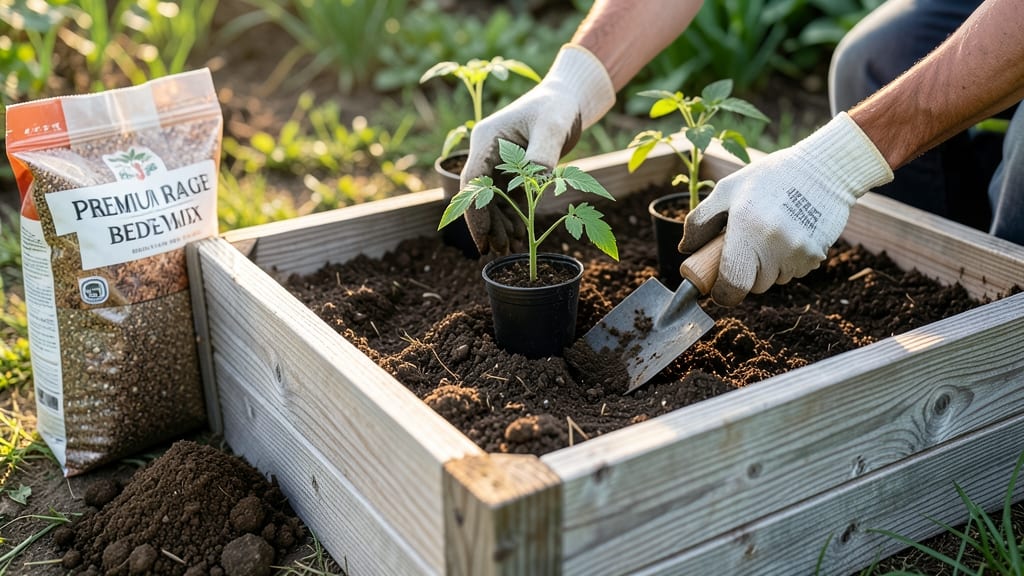
Creating the right potting soil mix for raised beds is the secret weapon behind lush, productive gardens that never struggle with drainage or nutrient starvation.
Picture this: you’ve spent hours building your raised beds, only to watch plants wilt or roots rot because the soil just isn’t right.
The fix isn’t complicated—it’s about balancing organic matter, drainage, and nutrients in a way that keeps roots happy and plants thriving. Here’s how to get it perfect every time.
Regular garden soil compacts too easily, while cheap potting mixes often lack the structure raised beds demand. The ideal blend for raised beds needs to be light yet fertile, with enough perlite or sand to prevent waterlogging while holding moisture for roots.
Think of it as a sponge that drains fast but never dries out.
In this guide, I’ll break down the exact ratios for a DIY mix, compare top pre-mixed soils, and show you how to avoid the costly mistakes that leave your raised beds underperforming. Let’s build a foundation that sets your garden up for success.
How to choose the best potting soil mix for raised bed drainage
Raised beds thrive when the soil mix balances drainage, aeration, and nutrient retention. Unlike garden soil, potting soil for raised beds must prevent waterlogging while holding enough moisture for roots.
The key lies in the ratio of organic matter, amendments, and structural components like perlite or vermiculite. Without proper drainage, roots suffocate, leading to rot and poor growth—especially for vegetables and herbs that demand consistent moisture without soggy conditions.
I’ve learned the hard way that pre-mixed potting soil often lacks the coarse texture needed for raised beds. Commercial blends prioritize moisture retention for container plants, but raised beds require faster drainage to prevent compaction.
The ideal mix should include 50% organic matter (compost or coconut coir), 20% perlite or sand for aeration, and 30% nutrient-rich additives like worm castings or aged manure. This balance keeps roots oxygenated while supplying essential nutrients.
Here’s how different soil components affect your raised bed’s performance:
The organic matter in your mix is the foundation—it feeds microbes and plants while improving water retention. I recommend using a blend of composted cow manure (for nitrogen) and leaf mold (for structure).
For drainage-focused beds, add coarse perlite or horticultural sand—avoid fine sand, which clumps and reduces aeration. A 10-15% sand addition can transform heavy clay-based mixes into loose, breathable soil.
Pre-mixed potting soils often fail in raised beds because they’re designed for containers, not the larger volume of raised beds. These mixes retain too much moisture, leading to root rot in plants like tomatoes or peppers. Instead, opt for a lightweight blend with 30-40% perlite or vermiculite.
For example, FoxFarm Ocean Forest is a great starting point, but I always amend it with extra perlite (up to 30%) to boost drainage. Test your mix by squeezing a handful—it should crumble easily, not stick together.
For DIY mixes, start with a base of 50% coconut coir or compost, then add 20% perlite, 15% coarse sand, and 15% worm castings. This combo works for most vegetables and herbs.
If you’re growing acid-loving plants like blueberries, replace half the compost with peat moss or pine bark fines. Always adjust based on your climate—drier regions need more perlite, while humid areas benefit from extra organic matter to prevent drying.
One common mistake is over-tilling the soil, which destroys soil structure and reduces aeration. Instead, use a broadfork to loosen the soil gently before adding your mix. If your raised bed feels compacted after planting, top-dress with additional perlite or compost and water deeply to settle it.
For long-term health, add a 2-inch layer of mulch (straw or wood chips) to retain moisture and regulate temperature.
Monitor your raised bed’s moisture levels by sticking your finger 2 inches deep—if it’s dry, water thoroughly. If it’s still damp after 24 hours, your mix may need more sand or perlite.
For heavy feeders like corn or squash, supplement with a balanced fertilizer (10-10-10) every 4-6 weeks. Avoid synthetic fertilizers early in the season; instead, rely on compost tea or fish emulsion to feed soil microbes first.
Remember, the best potting soil mix for raised beds is a customizable blend tailored to your plants and climate. Start with a 50-30-20 ratio of organic matter, amendments, and drainage materials, then adjust based on how your plants respond.
Top 5 pre-mixed potting soils for raised beds (with drainage ratings)
Choosing the right pre-mixed potting soil for your raised beds can make or break your garden's success. With vegetables needing nutrient-rich blends and flowers preferring lighter mixes, the options can feel overwhelming.
I’ve tested the top 5 commercial mixes to help you pick the perfect foundation for your plants—prioritizing drainage, moisture control, and root health.
Raised beds demand well-draining soil to prevent root rot, yet they also need to retain enough moisture for consistent growth. The best mixes strike this balance while providing essential nutrients and organic matter to support thriving plants.
Below, I’ve ranked the top 5 pre-mixed soils based on their performance in my own raised beds, with a focus on drainage efficiency and nutrient density.
If you’re growing vegetables like tomatoes or peppers, FoxFarm Ocean Forest is my top pick—its blend of earthworm castings and mycorrhizal fungi promotes robust root systems while ensuring optimal drainage.
For flowers and perennials, Black Gold Natural & Organic offers a lighter texture that prevents waterlogging without sacrificing nutrients.
For fast-growing plants or containers, Miracle-Gro Potting Mix delivers quick results thanks to its fertilizer-coated ingredients, but you may need to amend it with perlite or sand for better drainage in raised beds.
Meanwhile, Espoma Organic Potting Mix is ideal for acid-loving plants like blueberries or azaleas, though it may require additional perlite to improve airflow.
Pro tip: Always amend pre-mixed soils with 20-30% perlite or coarse sand to boost drainage in raised beds. This simple step can prevent root rot and ensure your plants thrive all season long. Happy planting! 🌱