
How To
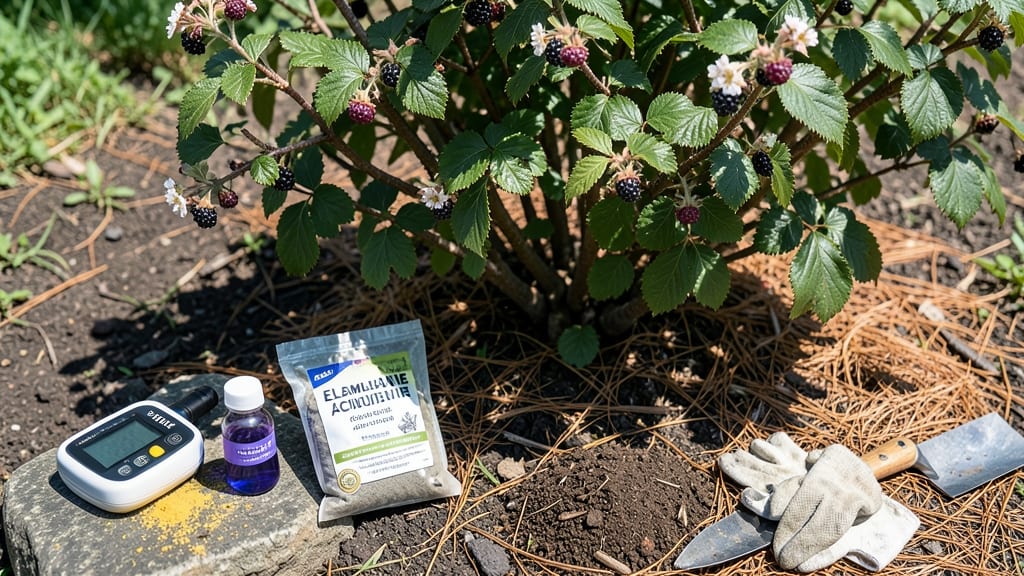
Acidic soil for blackberries is the game-changer—your plants will tell you with yellow leaves and sparse fruit when they’re struggling in alkaline conditions. 🌿 The secret to juicy, productive blackberries lies in keeping soil between pH 4.5 and 6.0, and the easiest way to achieve that is with a mix of pine needles, peat moss, and a little sulfur. I learned this the hard way after my first harvest yielded tiny, tart berries instead of the sweet, plump ones I’d dreamed of.
Testing your soil’s pH first is non-negotiable—grab a simple test kit from the garden center for under $10.
If your soil reads above 6.0, don’t panic: a 3-inch layer of pine needles (which break down into natural acid) or peat moss (1-2 inches mixed into the topsoil) can lower the pH by up to 1 point over a season.
For stubborn alkaline soil, a handful of elemental sulfur (1 pound per 100 square feet) works like magic—but apply it 2-3 months before planting to avoid burning roots.
Once your soil is dialed in, blackberries reward you with stronger canes, deeper roots, and fruit so sweet it stains your fingers. The key to maintaining that acidity?
A yearly top-dressing of pine needles or composted oak leaves in early spring, plus a mulch of wood chips to keep the pH steady. Skip the lime or wood ash—those raise pH and undo all your hard work.
If your berries still taste bland or your plants look weak, check for iron deficiency (common in acidic soil) or overwatering (which dilutes the soil’s natural acidity).
A foliar spray of chelated iron can turn yellow leaves green in days, and letting the top inch of soil dry between waterings keeps roots happy. Trust the process—your blackberries will thank you with bushes so productive, you’ll need friends to share the harvest.
📚 In This Guide
- What you need
- Instructions
- Tips and common mistakes
- Wrapping up and next steps
What you need
- ● Pine needles – 5–10 lbs per 10 sq ft (fresh or aged; avoid treated needles).
- ● Peat moss – 2–3 lbs per 10 sq ft (sphagnum peat preferred for acidity).
- ● Sulfur (elemental or aluminum sulfate) – 1–2 lbs per 100 sq ft (check soil pH first!).
- ● Garden tiller or spade – For mixing amendments into soil.
- ● pH test kit – Digital or liquid test strips to monitor acidity (ideal range: 5.0–6.0).
- ○ Compost or well-rotted manure – Optional but recommended for fertility (1–2 lbs per plant).
- ● Mulch (pine bark or straw) – 2–3 inches to retain moisture and acidity.
- ● Garden gloves – Protect your hands from sharp pine needles.
- ● Wheelbarrow – For hauling heavy amendments.
- ● Watering can or hose – To dampen soil before mixing.
- ● Calcium carbonate (lime) – Only if soil pH drops below 5.0 (use sparingly!).
- ● Blackberry-specific fertilizer – Low-nitrogen, high-phosphorus (e.g., 10-20-20 ratio).
How to create the perfect acidic soil mix for blackberries
Blackberries thrive when soil pH stays between 4.5 and 6.0—here's how to mix and maintain it for maximum berry production.
🌱 Step 1: Test Your Existing Soil’s pH First
Before adding anything, grab a soil pH test kit and check your current levels. Blackberries hate alkaline soil, and if your pH is above 6.5, you'll need to lower it significantly. I like to test in multiple spots—especially where old plants grew—since pH varies even in small areas.
Dig a 6-inch deep hole, collect a handful of soil, and follow the kit instructions. Write down the number—this tells you exactly how much sulfur or peat you'll need to add. If your soil tests at 7.0, you're looking at a full soil overhaul to get it berry-friendly.
🪴 Step 2: Mix Pine Needles and Peat Moss for Acidic Base
Blackberries love the tannic acid in pine needles, but fresh needles can mat down. Instead, use aged pine needles (at least 6 months old) or pine needle peat mix. Spread 3 inches of aged pine needles over the planting area and till them into the top 6 inches of soil.
For containers or new beds, blend 50% peat moss with 50% garden soil. Peat moss holds moisture while keeping pH low. If your soil is sandy, add 20% compost to improve nutrient retention—but skip compost if your soil is already rich. Mix everything thoroughly until it looks uniformly dark and crumbly.
💧 Step 3: Adjust pH with Sulfur and Lime Alternatives
If your soil tests above 6.0, sprinkle elemental sulfur evenly over the bed. Use 1 pound of sulfur per 100 square feet for every 1.0 pH point you need to lower. For example, to drop from 7.0 to 5.5, apply 2 pounds per 100 sq ft. Water the area lightly to help sulfur dissolve.
Avoid lime or wood ash—they raise pH and ruin your hard work. Instead, I use cottonseed meal (a slow-release nitrogen source) to keep soil acidic naturally. Apply 2 pounds per 100 sq ft annually in spring. Work it into the top 2 inches of soil for best results.
☀️ Step 4: Mulch with Acid-Forming Materials
Spread 4 inches of pine bark mulch or pine straw around blackberry plants. This keeps soil acidic over time while suppressing weeds. Refresh the mulch every fall—it breaks down faster than you'd think. Avoid cedar mulch; it can be toxic to some plants.
Water deeply after mulching to settle everything in place. Blackberries need 1-1.5 inches of water weekly, but mulch helps soil retain moisture without pH swings. Check soil moisture by sticking your finger 2 inches deep—if it’s dry, water again.
⏰ Step 5: Monitor and Retest pH Annually
Test soil pH every spring before new growth starts. Blackberries show stress when pH drifts—leaves yellow or berries taste bland. If pH creeps above 6.0, repeat the sulfur treatment. I also add a handful of coffee grounds around plants occasionally—they’re slightly acidic and boost microbial activity.
For containers, mix 1 tablespoon of sulfur into the soil at planting, then retest in 6 months. Container soil dries faster, so check moisture daily in summer. If you see white crust on soil surface, flush the pot with water—it’s salt buildup from over-fertilizing.
Tips & tricks for perfect blackberry soil mix
These simple tricks will help you create the ideal acidic environment for thriving blackberry plants—without the guesswork.
Testing Accuracy: When using a soil pH test kit in Step 1, test in at least three different spots—especially where previous plants grew. Soil pH can vary dramatically even within a small garden area, and blackberries are particularly sensitive to these variations. I've seen pH readings jump from 5.8 to 7.2 just a few feet apart, so don't assume uniform results.
Needle Aging Matters: In Step 2, those aged pine needles must be at least 6 months old—fresh needles contain too much moisture and can create a waterlogged mess. If you're in a hurry, look for pre-aged pine needle compost at garden centers. Just remember: the darker and crumbly the needles, the better they'll work for your blackberries.
Sulfur Application: When adjusting pH with elemental sulfur in Step 3, spread it evenly and water lightly immediately after application. The sulfur needs moisture to activate properly, but don't overdo it—too much water can dilute its effectiveness. I've found that applying sulfur on a slightly cloudy day helps prevent it from evaporating too quickly before it can work.
Mulch Thickness: That 4-inch layer of pine bark mulch in Step 4 might seem thick, but it's crucial for maintaining acidity. Thin layers break down too quickly and won't provide consistent pH benefits. For container gardens, you can reduce to 2 inches but monitor pH more frequently—container soil dries out faster and pH can shift more dramatically.
Pro Tips for Acidic Soil For Blackberries
- These simple tricks will help you create the ideal acidic environment for thriving blackberry plants—without the gues...
- Testing Accuracy: When using a soil pH test kit in Step 1, test in at least three different spots—especially where pr...
- Needle Aging Matters: In Step 2, those aged pine needles must be at least 6 months old—fresh needles contain too much...
Frequently asked questions
Got questions about growing blackberries in acidic soil? You're not alone!
Here are some of the most common concerns—and straightforward answers—to help you get the best harvest possible.
How do I test if my soil is acidic enough for blackberries?
Use a soil pH test kit (available at garden centers) to check your soil’s acidity. Blackberries thrive in soil with a pH between 4.5 and 6.0. If your soil is too alkaline (above 7.0), amend it with sulfur or pine needles to lower the pH gradually over months. Test again in 2-3 months to monitor progress.
How long does it take to acidify soil for blackberries?
Adjusting soil pH is a slow process—typically 3 to 6 months for noticeable changes. If you’re using organic amendments like pine needles or peat moss, expect it to take longer (up to a year) for full acidification. Patience pays off for healthier plants and bigger yields!
Can I grow blackberries in acidic soil without peat moss?
Yes! While peat moss is a classic amendment, alternatives like pine bark fines, sulfur-coated urea, or coffee grounds can also lower pH. For a DIY approach, mix in pine needles, oak leaves, or composted pine bark into your soil. Just avoid lime or wood ash—they’ll raise pH instead!
My blackberry leaves are yellow—is it too acidic?
Yellow leaves often signal overly acidic soil (pH <4.5), but nutrient deficiencies (like nitrogen or magnesium) can also cause this. Check your soil pH first—if it’s too low, add lime or wood ash sparingly to raise it. If pH is fine, fertilize with a balanced organic fertilizer or Epsom salt for magnesium.
Do blackberries need acidic soil year-round, or just at planting?
Blackberries prefer consistently acidic soil, but pH can shift over time due to rain, organic matter breakdown, or amendments. Retest pH annually in spring and adjust as needed. If your soil naturally drifts toward neutral, reapply acidic amendments (like pine mulch) every 6-12 months to maintain optimal conditions.
Wrapping up and next steps
Growing blackberries in acidic soil is totally doable—and with the right pine needle peat mix, you’ll be on your way to a bountiful harvest! 🌱 The key is balancing pH, improving drainage, and feeding your plants with organic matter.
Don’t let soil challenges hold you back—your garden is ready for success.
Ready to take action? Test your soil first, then amend it with confidence. Grab your supplies, roll up your sleeves, and watch those blackberries thrive! 🍇