
Propagation
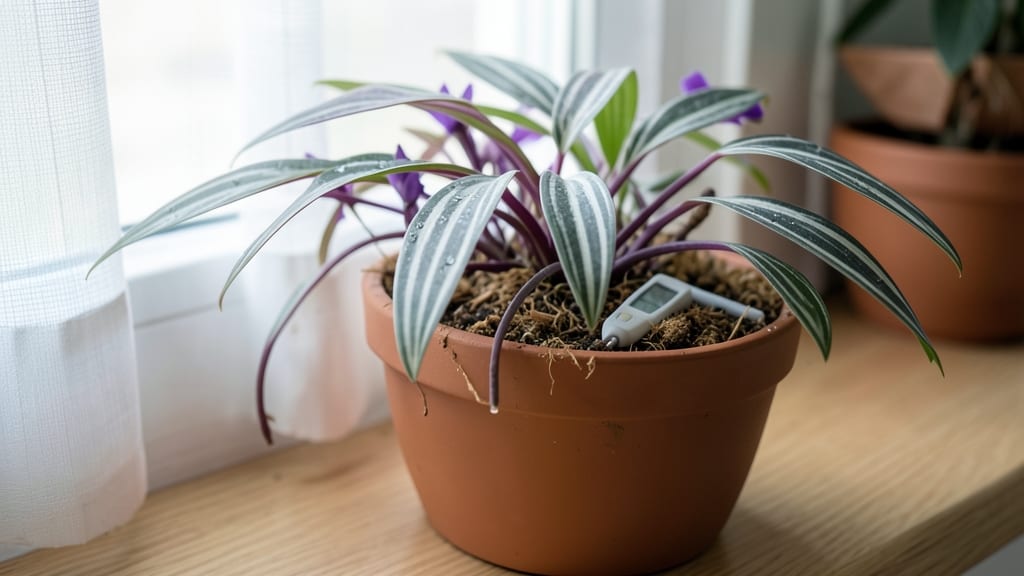
The fast-draining soil type for Wandering Jew 🌿 is the secret to its signature trailing growth—too heavy, and those lush vines turn leggy or yellow.
Picture this: your Wandering Jew sprawling beautifully across a shelf, its purple-tinged leaves cascading like a living waterfall. But skip the right soil mix, and you’ll end up with a sad, root-bound plant that barely clings to its pot.
The key? A blend that mimics its natural habitat—lightweight, airy, and just moist enough to keep those roots happy without drowning them.
Most gardeners assume any potting mix will do, but Wandering Jew (Tradescantia fluminensis) demands a well-aerated mix with a slightly acidic to neutral pH. Too much clay or dense soil? Root rot becomes a real risk. Too sandy? Nutrients wash away faster than you can say "wilting leaves."
In this guide, I’ll break down the exact soil ratios, the best amendments (like perlite or orchid bark), and how to troubleshoot if your plant starts protesting with yellow stems.
Whether you’re growing it in pots or letting it trail in garden beds, you’ll learn how to create the perfect fast-draining environment for year-round vibrancy.
Optimal Wandering Jew soil composition: fast-draining mix breakdown
Wandering Jew (Tradescantia fluminensis) thrives when its roots breathe easily—this trailing beauty despises soggy soil. The key? A fast-draining mix that balances air pockets, organic matter, and moisture retention without compacting. Too dense, and you’ll see yellowing leaves; too sandy, and the roots dry out. Let’s break down the perfect soil formula to keep your plant cascading with vibrant foliage year-round.
Your Wandering Jew needs a slightly acidic to neutral pH (6.0–7.0) for optimal nutrient uptake. Test your soil first—if it’s too alkaline, add peat moss or pine bark to adjust. The ideal mix should hold just enough moisture to keep roots hydrated but release excess water within 24 hours.
Think of it as a spongy, airy foundation that mimics its natural epiphytic habitat.
Here’s the gold-standard DIY blend for potted Wandering Jew:
For outdoor planting, amend garden soil with 30% perlite and 20% orchid bark to improve drainage. Wandering Jew’s trailing habit means it needs lightweight soil—heavy clay will suffocate roots. If your yard soil is compacted, create a raised bed or mound with the DIY mix above.
In humid climates, reduce peat moss to 10% and replace with orchid bark to prevent fungal issues. For dry climates, increase perlite to 30% and add hydrogel crystals (5%) to retain moisture. Always use a pot with drainage holes—even if you’re a "forgetful waterer."
Repot your Wandering Jew every 12–18 months or when roots circle the pot. Refresh the soil mix by removing 20% of old soil and replacing it with fresh blend. This renews nutrients and prevents root-bound stress, which causes leggy growth. Prune yellow leaves immediately—they signal root rot or overwatering.
Pro tip: Water from the bottom for 10 minutes, then let excess drain completely. This mimics natural rainfall and encourages deep root growth. Avoid misting leaves—Wandering Jew prefers humid air but dry foliage to prevent mildew.
Your soil mix should feel like a squeeze toy**—light when dry, slightly damp when watered, but never soggy. Adjust ratios based on your plant’s response: drooping leaves? Add more perlite. Yellowing? Boost organic matter.
With the right foundation, your Wandering Jew will trail like a lush, green waterfall all season long. 🌿
Common soil mistakes that stunt Wandering Jew growth (and how to fix them)
Your Wandering Jew (Tradescantia fluminensis) might be sending up yellowing leaves or stunted growth signals—often pointing straight to soil issues. The wrong mix can suffocate roots or cause waterlogging, both of which trigger stress.
Before reaching for fertilizer, check your soil first. Compacted soil and poor drainage are the top culprits for struggling trailing plants.
Even well-intentioned gardeners make mistakes with pH levels or organic matter ratios. For example, using garden soil straight from the yard can compact too easily, while overly sandy mixes drain too quickly, starving roots of nutrients.
Let’s diagnose these common errors and fix them before your plant’s vibrant foliage fades.
⚠️ Soil Type Warning: Wandering Jew Needs Fast-Draining Mix
Wandering Jew roots rot quickly in soggy soil. If your plant shows yellow lower leaves or mushy stems, your mix is likely too dense. Fix it now by adding perlite or orchid bark (20-30%) to improve aeration. Avoid garden soil—it compacts and holds too much moisture.
Start with overwatering signs: soggy soil that stays wet for days or leaves that droop despite regular watering. These are red flags for poor drainage. To test, grab a handful of moist soil—if it forms a tight clump, it’s too dense.
Your goal is a mix that crumbles easily when dry. Perlite or pumice are game-changers for adding air pockets.
Another hidden issue is incorrect pH levels. Wandering Jew thrives in slightly acidic to neutral soil (pH 6.0-7.0). If your mix is alkaline (pH 7.5+), nutrients like iron become unavailable, causing yellowing between leaf veins.
Test your soil with a kit and amend with peat moss or sulfur if needed. Even a 0.5 pH shift can make a difference.
For underwatering, watch for crispy leaf edges or a dry, lightweight soil that repels water. This often happens in overly sandy mixes. Fix it by adding 20% coconut coir or compost to retain moisture while still allowing drainage.
Water thoroughly until it runs out the drainage holes—this flushes excess salts that can burn roots.
Finally, lack of organic matter leads to nutrient deficiencies, even if you’re fertilizing. Wandering Jew needs 10-20% compost or worm castings in its mix to feed those trailing vines. Mix in a slow-release fertilizer like osmocote at planting time for steady growth. Avoid fresh manure—it can burn delicate roots.
Reviving your Wandering Jew starts with soil. Adjust one issue at a time—start with drainage, then check pH, and finally boost organic matter. With the right mix, those trailing vines will bounce back in 4-6 weeks! 🌿