
How To
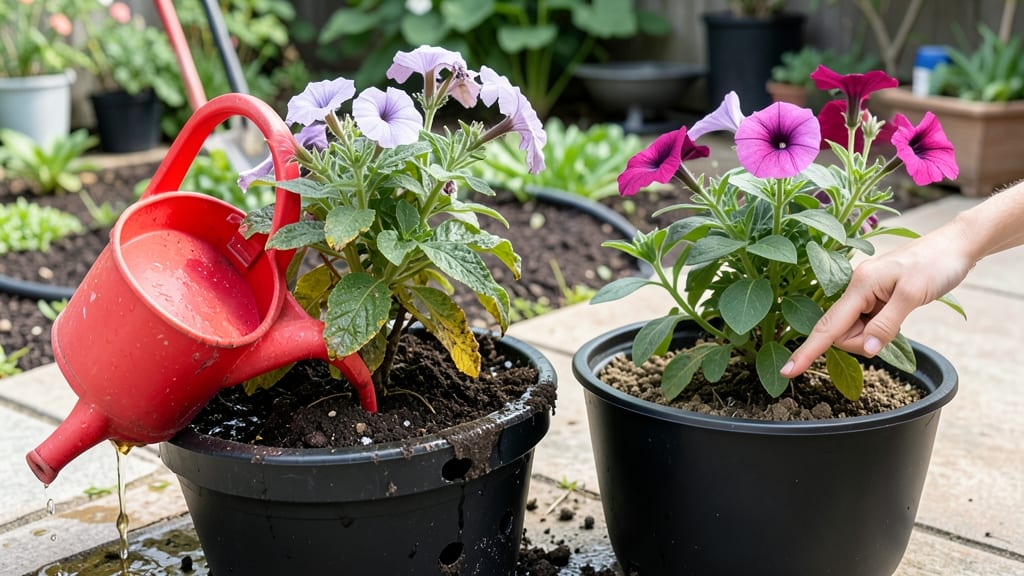
Your soil is too wet, suffocating plants before they can even grow. 🌱 The moment I noticed yellowing leaves and that telltale rot smell, I knew drainage needed an overhaul—what seemed like a hopeless mess turned into a fixable problem within a single afternoon.
Poor drainage happens when soil stays waterlogged for days, cutting off oxygen to roots and inviting fungus. Heavy clay, compacted earth, or a low-lying spot all contribute, but the real damage comes from plants struggling to absorb nutrients.
The good news? Simple adjustments like adding organic matter, creating raised beds, or installing French drains can transform soggy ground into fertile soil within weeks.
You’ll see roots breathing easier almost immediately—fewer wilting leaves, stronger stems, and plants that actually thrive instead of just surviving. The key is balancing moisture without turning your garden into a swamp, and I’ll walk you through the exact steps that worked for me, even in rainy climates.
Whether you’re dealing with a small container garden or a full yard, these fixes adapt to any space. Let’s get your soil back in balance so your plants can finally grow like they should.
Understanding The Root Causes
When your soil stays too damp, it’s rarely just bad luck—it’s usually a mix of environmental, physical, and even human factors working against your garden. Let’s break down the key reasons your soil might be holding onto too much water, so you can tackle the problem at its source.
Not all soil drains the same way, and some types are naturally water magnets. Here’s what’s likely going on:
- Clay-heavy soil: Tiny particles pack tightly, leaving almost no space for water to escape. When rain falls, it pools on the surface or seeps slowly—like trying to drink through a straw that’s been clogged with mud. 🚰
- Sandy soil (paradoxically!): While sand drains fast, it can also wash away organic matter and nutrients, leaving behind a soil structure that compacts over time and struggles to retain moisture evenly.
- High organic matter (but too much!): A little compost is great, but layers of peat moss, leaf mold, or fresh manure can act like a sponge, absorbing water and never releasing it. Think of it as a swamp in your garden bed.
💡 Pro Tip: Test your soil’s texture by squeezing a handful. If it forms a tight ball that doesn’t crumble (clay) or falls apart instantly (sand), you’ve got a drainage puzzle to solve.
Even if your topsoil looks fluffy, the layer beneath it might be acting like a concrete barrier. Here’s why:
- Foot traffic or machinery: Heavy footsteps, lawnmowers, or construction equipment can compress soil particles, crushing air pockets and creating a hardpan. Water then sits on top like oil on puddles. 🛑
- Natural clay layers: Some landscapes have a hardpan—a dense, unbroken layer of clay or rock—just below the surface. This forces water to pool above it, drowning roots.
- Improper grading: If your yard slopes toward plant beds instead of away, rainwater has nowhere to go but into your soil. It’s like building a bathtub with the drain on the wrong side.
🔥 Action Step: Use a soil probe or shovel to check for compaction. If it feels like digging through wet cement, you’ll need to aerate or amend the subsoil (more on that later!).
Sometimes, the problem isn’t the soil—it’s you. (No judgment!) Here’s how human habits can turn your garden into a soggy mess:
- Automatic timers on high: A sprinkler set to run for 20 minutes daily can deliver way more water than most plants need, especially in humid climates. It’s like taking a shower, then standing in the rain.
- Poor sprinkler placement: If heads spray directly onto plant beds or create puddles, water has no chance to soak in gradually. Instead, it pools and runs off—or worse, sits in one spot.
- No rain shutoff: Many irrigation systems keep running during storms, turning your yard into a flood zone. It’s like leaving the faucet on while the bathtub overflows.
✨ Smart Fix: Adjust sprinklers to water early in the morning (when evaporation is low) and away from plant bases. For automatic systems, install a rain sensor to halt watering when it’s already wet outside.
Healthy soil needs a balanced ecosystem to manage moisture. Without the right ingredients, it becomes a waterlogged disaster. Here’s what’s missing:
- Not enough compost: Organic matter (like compost or aged manure) creates tiny air pockets that help water drain and retain moisture when needed. Without it, soil behaves like a dry sponge that can’t release water.
- Missing mulch layer: A 2–3 inch layer of mulch (wood chips, straw, or leaves) acts like a moisture regulator. Without it, rain hits bare soil and either evaporates instantly or runs off, leaving roots high and dry—or drenched.
- Depleted microbial life: Healthy soil teems with fungi and bacteria that break down organic material and improve structure. Chemical fertilizers or poor soil health can kill these helpers, leaving your soil stagnant.
🌡️ Quick Test: Dig down 6 inches. If the soil smells rotten (like a swamp) or looks gray and gummy, it’s lacking organic life. If it’s dusty or crumbly, it needs moisture-retention amendments.
Now that you know why your soil is staying too wet, the next step is fixing it—and we’ve got a foolproof plan to get your garden back in balance.
Quick Fixes for Waterlogged Ground
When your soil is too wet, it’s time to act fast—before roots suffocate and plants wilt. The good news? Most solutions are simple, cost-effective, and can be done in minutes.
Below, we’ll map the most common causes of soggy soil to practical fixes, plus pro tips to keep your garden happy long-term.
If water pools or drains way too slowly, your soil needs structural help.
🔨 Improve Soil Structure
- Add organic matter (compost, aged manure, or leaf mold) to loosen compacted soil. Mix in 2–3 inches of organic material and till lightly. Why? Organic matter absorbs excess water like a sponge while improving aeration.
- Use sand or perlite (for heavy clay soils).
Blend 1 part sand/perlite with 3 parts soil to create a faster-draining mix. Pro tip: Avoid river sand—it compacts over time. Horticultural sand or perlite works best.
🌱 Raise Planting Beds
- Build a raised bed (12–18 inches high) with a mix of topsoil, compost, and perlite. This lifts roots above the water table.
- Use containers or pots for moisture-sensitive plants (like succulents or herbs).
Ensure pots have drainage holes and a caching layer (like gravel) at the bottom.
If water is actively pooling around plants, stop it before it causes rot.
🛠️ Install French Drains or Swales
- French drain: Dig a 6–12-inch trench, fill it with gravel, then cover with landscape fabric and soil.
This channels water away from roots. - Swales: Create a slightly curved trench (like a shallow gutter) to slow and redirect water into the ground naturally. Plant deep-rooted grasses (like fescue) to absorb excess moisture.
🌧️ Adjust Irrigation Habits
- Water deeply but less often—1–2 times per week (instead of daily light sprinkles). This encourages roots to grow deeper, seeking moisture where it’s available.
- Use drip irrigation instead of sprinklers.
It delivers water directly to the soil, reducing runoff and evaporation. - Check sprinklers for leaks or overspray. A misaligned sprinkler can turn your garden into a swamp.
Sometimes, too much love (aka water) drowns plants. Here’s how to dial it back.
📅 Space Out Watering
- Stick your finger in the soil—if the top 1–2 inches are damp, wait. If it’s bone-dry, water lightly.
- Morning watering is best (before 10 AM). This gives plants time to absorb moisture before evening evaporation.
🌱 Choose Drought-Tolerant Plants
Swap water-hogging plants (like impatiens or ferns) for drought-resistant varieties:
- Perennials: Lavender, sedum, Russian sage
- Vegetables: Zucchini, eggplant, Swiss chard
- Grasses: Ornamental grasses (like maiden grass) wick up excess moisture.
Once you’ve fixed the problem, keep it from happening again.
🌳 Plant Strategically
- Group plants by water needs—keep moisture-lovers (like hostas) together and drought-tolerant plants (like cacti) in separate beds.
- Use mulch (wood chips, straw, or pine needles) to retain moisture in dry spells and prevent compaction from heavy rain.
🔍 Test Your Soil
- DIY percolation test: Dig a 12-inch hole, fill it with water, then time how long it takes to drain. Ideal: 4–6 hours. Too fast? Add organic matter. Too slow? Improve drainage (see above).
- pH test: Waterlogged soil often lacks oxygen, which affects nutrient uptake.
Adjust pH with lime (to raise) or sulfur (to lower) if needed.
🌦️ Plan for Heavy Rain
- Install a rain barrel to capture excess runoff and use it later for watering.
- Create a berm (a small mound of soil) around garden edges to slow water flow into planting areas.
💡 Pro Tip: If your yard floods after heavy rain, consider soil amendments like gypsum (for clay soils) or biochar (to improve water retention without suffocating roots). Both are garden game-changers!
⏳ Time-Saver: For immediate relief, skip watering entirely for 3–5 days if the ground is already saturated. Plants can handle short dry spells better than soggy roots!
Frequently asked questions about wet soil fixes
How quickly can I see results after improving drainage?
You’ll notice differences within 24-48 hours if you add organic matter or adjust watering habits. For structural fixes like French drains or raised beds, expect visible improvement in 1-2 weeks as roots access oxygen again. The biggest changes come from consistent soil amendments—compost works best over 3-6 months to fully restructure compacted clay.
Can I still plant in wet soil if I add compost?
Yes, but wait until the soil is 60% dry—test by squeezing a handful. If it crumbles easily, it's ready. Mix in 2-3 inches of compost and plant immediately. For heavy clay, combine compost with 1 part perlite to prevent compaction. Avoid planting in truly waterlogged conditions (when soil stays wet to the touch for days).
What's the fastest way to fix a small container garden with soggy soil?
Drain the excess water first, then add a 1-inch layer of perlite or coarse sand to the bottom. Mix in 30% coconut coir with your potting soil to improve aeration. Repot if drainage holes are clogged. For immediate relief, skip watering for 3-5 days to let roots recover. Use terracotta pots—they wick away moisture better than plastic.
Will mulch make wet soil worse?
No—mulch actually helps! A 2-3 inch layer of wood chips or straw prevents water from evaporating quickly and reduces surface compaction. For extremely wet areas, use gravel mulch instead to improve drainage. Just avoid piling mulch directly against plant stems, which can trap moisture. The key is thickness: thicker layers work better for waterlogged soil.
Can I use sand to fix clay soil permanently?
Not alone—river sand compacts over time and makes clay worse! Use horticultural sand or perlite (50/50 mix with clay) for temporary improvement. For permanent fixes, combine with compost and gypsum. The best long-term solution is 20% sand, 30% compost, and 50% existing soil. This creates air pockets while maintaining fertility. Test your mix by squeezing—it should crumble easily when dry.