
How To
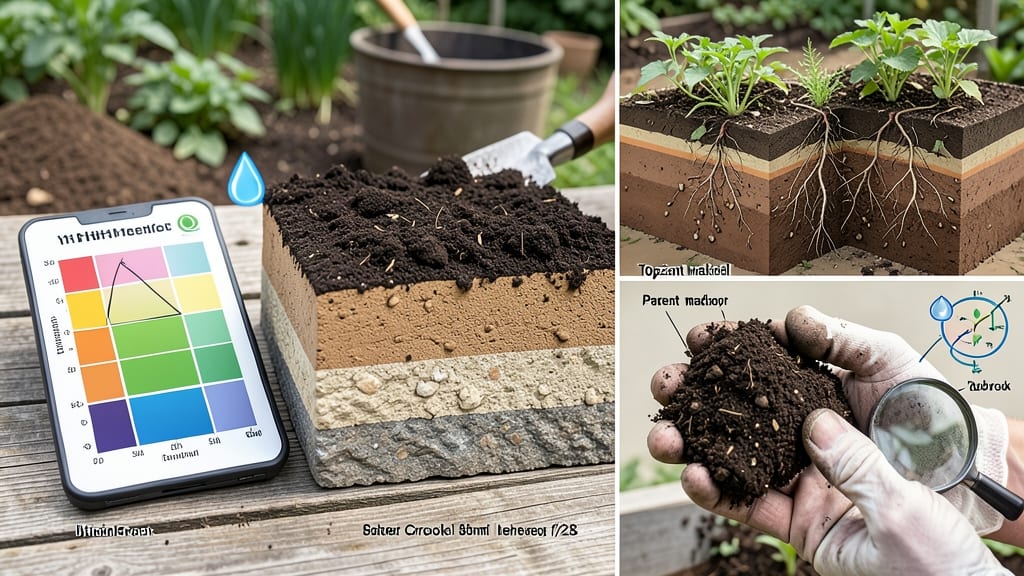
Soil science for gardeners revolves around understanding and modifying pH levels to match plant needs, since most garden vegetables and flowers flourish in slightly acidic to neutral soil (pH 6.0–7.0), while acid-loving plants like azaleas and potatoes thrive at pH 4.5–5.5. Start with affordable pH test kits or digital meters, then make gradual adjustments using garden lime to raise pH or elemental sulfur to lower it, always testing again after 2–3 months.
Understanding your soil's chemistry isn't just about numbers—it's about unlocking what your plants can access. 🌱 A pH reading of 6.5 might seem perfect, but if your soil is heavy clay, nutrients like iron and manganese become locked away, even if the pH is technically ideal.
That's why gardeners often see yellowing leaves on tomatoes growing in alkaline soil—the plant can't absorb iron, no matter how much fertilizer you add. The good news? Small, targeted amendments can transform your soil's health in just a few months, making every dollar spent on plants actually pay off.
Most beginner gardeners make two big mistakes when adjusting pH: overcorrecting too quickly or ignoring organic matter. 💫 Lime doesn't just raise pH—it also improves soil structure over time, while sulfur works fastest in moist conditions.
I recommend testing in multiple spots of your garden, since pH can vary dramatically even within a few feet. And here's a pro tip: if you're struggling with consistent results, consider adding compost first—it buffers extreme pH swings naturally while feeding beneficial microbes that help stabilize your soil's chemistry.
💡 In This Article
- How Soil pH Affects Nutrient Availability for Plants
- Step-by-Step Guide to Testing and Adjusting Garden Soil pH
How soil pH affects nutrient availability for plants
Soil pH determines which nutrients become available to plants by altering their chemical forms. For example, iron (Fe) exists as insoluble ferric hydroxide in alkaline soil (pH >7.0), making it inaccessible to roots—this explains why tomatoes develop yellow leaves even when soil tests show adequate iron levels.
The same happens with manganese (Mn) and zinc (Zn), both of which become locked away in alkaline conditions. Conversely, phosphorus (P) binds tightly to soil particles in acidic soil (pH <5.5), reducing uptake even when plenty exists in the soil.
Microbial activity also shifts dramatically with pH changes. Beneficial bacteria and fungi thrive between 6.0–7.5, while nitrogen-fixing bacteria like Rhizobium (critical for legumes) prefer 6.0–7.0.
Extreme pH levels (<5.0 or >8.0) create hostile environments where harmful microbes dominate, breaking down organic matter too quickly and releasing toxic aluminum or manganese compounds. This microbial imbalance directly impacts plant health—roots struggle to absorb water and nutrients efficiently, even in "fertile" soil.
Root zone responses reveal why pH matters at the microscopic level. In acidic soil (<6.0), hydrogen ions (H+) dominate, increasing aluminum (Al) and manganese solubility to toxic levels. These metals damage root tips, reducing water absorption by 30–50% in severe cases.
Meanwhile, alkaline soil (>7.5) causes calcium (Ca) and magnesium (Mg) to precipitate as carbonates, clogging soil pores and restricting root growth. The result? Plants exhibit stunted growth, wilting, or nutrient deficiency symptoms despite adequate fertilizer applications.
Consider how pH affects specific plants: blueberries (4.5–5.5) need high iron availability, while asparagus (6.5–7.5) thrives when phosphorus is mobile.
Even vegetables like lettuce (6.0–7.0) show dramatic yield differences—studies show lettuce grown at pH 6.5 produces 20% more biomass than at pH 5.5 due to optimal nutrient uptake. The key is matching amendments to your plants' native soil preferences rather than chasing a "perfect" pH number.
Visual clues often reveal pH-related issues before soil tests confirm them. Look for:
- Yellowing leaves with green veins: Likely iron/manganese deficiency in alkaline soil
- Purple stems/leaves: Phosphorus deficiency in acidic soil
- Stunted growth with healthy leaves: Calcium/magnesium lockout in alkaline conditions
What most gardeners don't realize is that pH affects 14 essential nutrients—not just the big three (N-P-K). Micronutrients like boron and copper become unavailable at extreme pH levels, creating hidden deficiencies that conventional fertilizers can't fix.
Testing isn't just about numbers; it's about unlocking your soil's full potential for your specific plants. 🌱