
How To
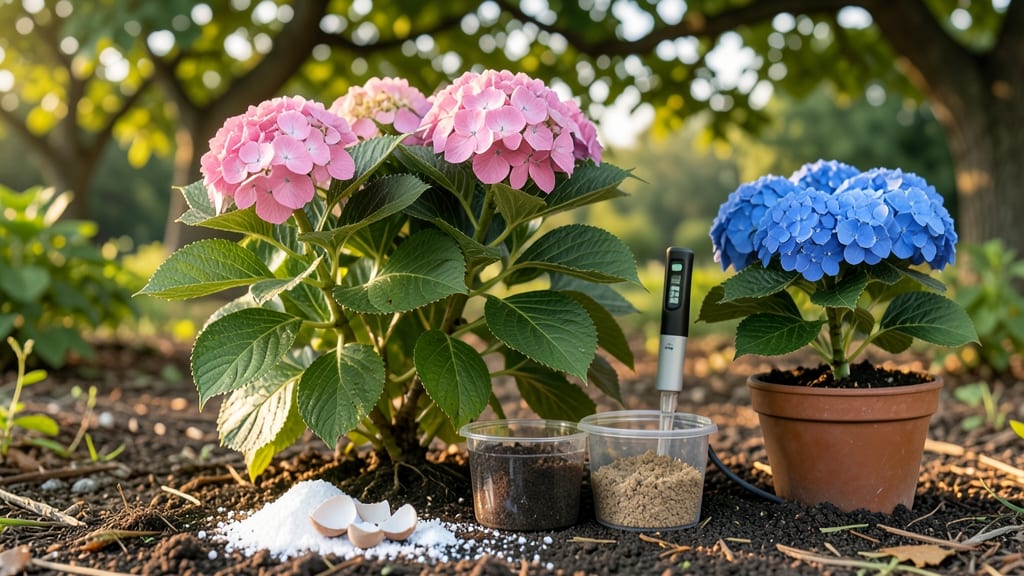
Alkaline soil for hydrangeas transforms their blooms to blue by increasing soil pH, but achieving this requires careful soil adjustments—incorporate sulfur-based amendments gradually while watching for leaf yellowing or nutrient imbalances. Aim for annual soil tests to maintain pH between 5.2 and 5.5 for consistently vibrant blue flowers.
Hydrangeas are famously finicky about soil chemistry, and their color shifts depend entirely on pH levels. 🌸 When soil becomes alkaline (pH above 7.0), aluminum becomes unavailable to the plant, which is what creates those signature blue hues. The catch?
Too much alkalinity stresses the plant, causing yellowing leaves or weak stems. I've found that elemental sulfur is the gold standard for lowering pH gradually—it takes 2-3 months to work, giving you time to monitor progress without shocking the roots.
Start with small amounts (about 1/2 pound per 100 square feet) and retest after 6 weeks.
What many gardeners overlook is that hydrangeas also need proper nutrients to thrive in adjusted soil. Iron and magnesium deficiencies often show up as yellowing between leaf veins, even when pH is correct.
That's why I always pair pH adjustments with a balanced fertilizer—this two-step approach prevents nutrient lockout while achieving those dreamy blue blooms. Think of it like tuning a guitar: you adjust one string at a time to get the perfect harmony.
💡 In This Article
- How pH Levels Affect Hydrangea Color and Growth
- Step-by-Step Guide to Lowering Soil pH for Hydrangeas
How pH levels affect hydrangea color and growth
The vibrant blue blooms hydrangeas are famous for come from a fascinating chemical process tied directly to soil pH. When soil becomes alkaline (pH 7.0 or higher), aluminum—naturally present in most soils—becomes unavailable to the plant.
This lack of aluminum triggers the production of delphinidin-based anthocyanins, which give flowers their blue hue. 🌸 In contrast, acidic soils (pH below 6.0) make aluminum accessible, promoting pink blooms through different pigment pathways.
The color shift isn't just aesthetic; it's a direct response to the plant's ability to absorb specific minerals.
What most gardeners don't realize is that pH also controls nutrient availability. At pH levels above 6.5, essential minerals like iron and magnesium become locked in the soil, causing yellowing leaves (chlorosis) even when the plant appears healthy.
I've seen hydrangeas with stunning blue flowers but weak stems because the roots couldn't access enough iron—this is why pH testing is crucial. The ideal range for blue blooms is 5.2-5.5, where aluminum is just enough to trigger blue pigments but not so much that it causes toxicity.
Extreme alkalinity (pH above 7.5) creates another problem: nutrient deficiencies manifest as yellowing between leaf veins, starting with younger leaves. This happens because high pH reduces the solubility of micronutrients like zinc and copper, which are vital for chlorophyll production.
The plant's defense mechanism kicks in, causing stunted growth as it diverts energy to survive rather than produce flowers. Think of it like a car running on low octane fuel—it'll keep going, but performance suffers dramatically.
Here's the science behind the color shift: Hydrangea flowers contain anthocyanins that react with aluminum ions. In acidic soil (pH <6.0), aluminum binds to these pigments, creating blue hues. When soil becomes alkaline, the aluminum becomes unavailable, and the plant produces different pigments that result in pink or purple flowers. The transition isn't instant—it can take 6-8 weeks after pH adjustment for new flowers to reflect the change, as the plant needs time to metabolize the new conditions.
For visual gardeners, here's what to watch for: Blue hydrangeas in alkaline soil often show signs of stress like curled leaves or brown tips, while pink hydrangeas in acidic soil may develop weak stems. The key is finding that sweet spot where the plant thrives while achieving your desired color.
I recommend testing soil every 2-3 years or whenever you notice color changes—this gives you time to make gradual adjustments without shocking the plant's root system.
One common misconception is that all hydrangeas respond the same way to pH changes.
While most varieties (like Endless Summer or Nikko Blue) follow this pattern, some modern hybrids have been bred to produce consistent colors regardless of soil pH. Always check your specific variety before making adjustments—this can save you time and frustration in the long run. 🌿