
How To
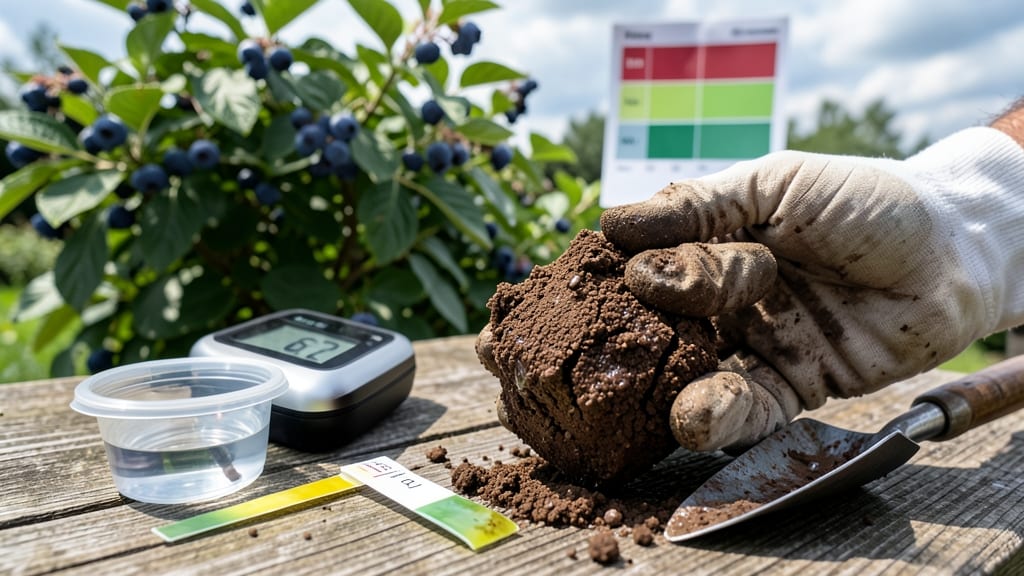
Clay soil is typically neutral to slightly alkaline, often registering between 6.6 and 8.5 on the pH scale, though its density can trap organic acids, creating localized acidic pockets. Most plants thrive in clay when amended with compost or sulfur-based conditioners to balance pH.
Clay soil's pH leans alkaline because of its mineral makeup—calcium, magnesium, and iron oxides naturally raise the scale. 🌱 The dense structure also holds onto organic acids, creating micro-zones where pH drops unexpectedly. This explains why some plants struggle despite the overall neutral reading.
For instance, blueberries need acidic soil (4.5-5.5), while lavender thrives in alkaline (7.0-8.0). Testing with a simple DIY kit (vinegar/baking soda) helps identify these pockets before amending.
To adjust pH, I recommend starting with organic matter like compost, which gradually improves structure and buffers pH swings. For true corrections, elemental sulfur lowers pH (for acid-loving plants), while crushed limestone raises it.
Remember: heavy clay takes time to modify—patience and consistent testing are key. The goal isn't perfection but creating an environment where nutrients like phosphorus (best at 6.5-7.5) and nitrogen (optimal 6.0-7.0) become plant-available.
💡 In This Article
- How Clay Soil pH Affects Nutrient Availability for Plants
- Testing and Adjusting Clay Soil pH for Optimal Plant Growth
How clay soil pH affects nutrient availability for plants
Clay soil's natural tendency toward neutrality or slight alkalinity stems from its mineral composition. The high concentrations of calcium carbonate, magnesium, and iron oxides in clay particles act as natural buffers, resisting pH changes.
These minerals release alkaline ions (like calcium and magnesium) when dissolved in water, gradually nudging the pH upward. For example, a typical clay soil might start at pH 7.0 but shift toward 7.5-8.0 after heavy rainfall washes away acidic organic matter, leaving behind these alkaline residues.
The dense structure of clay creates another critical factor: water retention. When clay holds moisture, it creates microenvironments where organic acids from decomposing plant matter can accumulate, forming localized acidic pockets (pH 5.0-6.0) even in predominantly alkaline soil.
This explains why some plants in clay soil may show signs of nutrient deficiencies despite overall neutral pH readings. The contrast between these micro-zones and the bulk soil can be dramatic—think of a pH 8.0 soil with pockets measuring pH 5.5, creating a patchwork of nutrient availability.
Nutrient solubility becomes the real story here. Phosphorus, crucial for root development, becomes most available to plants at pH 6.5-7.5—right in clay's typical range. However, nitrogen (another essential nutrient) becomes locked up in alkaline conditions above pH 7.5, while iron and manganese (needed for chlorophyll production) become scarce.
This is why blueberries, which require acidic soil (pH 4.5-5.5), struggle in unamended clay, while vegetables like broccoli (pH 6.0-7.0) or lavender (pH 7.0-8.0) thrive. The key is matching plant needs to these solubility patterns.
Consider the case of tomatoes: they prefer slightly acidic soil (pH 6.0-6.8) for optimal fruit production. In heavy clay, you might see lush green foliage but poor flowering because nitrogen remains available while phosphorus becomes less so.
The solution isn't just lowering pH—it's creating a balanced environment where all essential nutrients dissolve properly. This often means adding organic matter to improve structure while using targeted amendments like bone meal (for phosphorus) or blood meal (for nitrogen) to compensate for the soil's natural tendencies.
Another critical aspect is how clay's buffering capacity affects pH adjustments. Unlike sandy soils that respond quickly to amendments, clay's dense structure requires patience. Adding sulfur to lower pH might take months to show results because the clay particles absorb and slowly release the amendment.
Similarly, lime added to raise pH can take years to fully integrate. This buffering effect means dramatic pH swings are rare, but it also means gradual, consistent testing is essential to avoid overcorrecting.
For gardeners working with clay, understanding these patterns allows for smarter plant selection. Acid-loving plants like hydrangeas or azaleas should be placed in raised beds with acidic amendments, while alkaline-tolerant species like rosemary or thyme can thrive in the native soil.
The goal becomes working with clay's natural tendencies rather than fighting them—a approach that pays dividends in plant health and garden productivity.