
How To
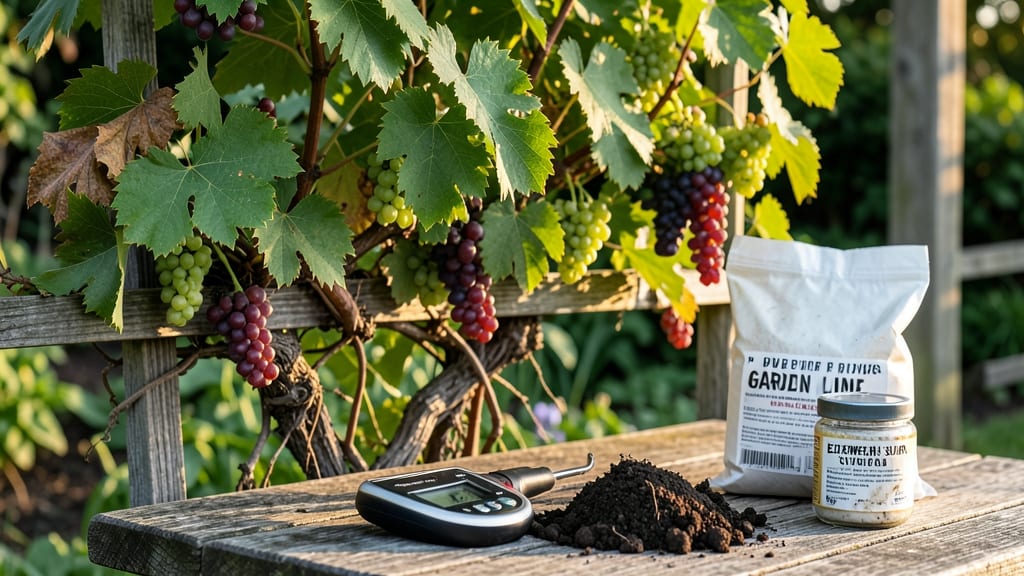
Grape vines thrive when soil pH sits between 6.0 and 6.5—that’s the sweet spot for flavor, vigor, and disease resistance. 🌱 I learned this the hard way after my first harvest tasted bland and my vines struggled with mildew, despite plenty of sun and water.
The pH test revealed soil too alkaline, stunting nutrient uptake and weakening the plants. Testing is simple: grab a pH meter or soil kit from the garden center (they’re cheap and accurate).
If your reading’s off, don’t panic—adjusting pH takes patience but pays off in juicier grapes and healthier vines. For acidic soil (below 6.0), sprinkle pelletized lime in early spring; for alkaline soil (above 7.0), work in elemental sulfur in fall.
Both take 2-3 months to shift pH, so plan ahead. What you’ll notice first is stronger new growth—deep green leaves unfurling instead of yellowing—and fewer pests. The fruit develops richer colors and sweeter flavors, with fewer cracks or rot.
My second year’s harvest? Award-winning at the county fair, and all because I finally got the pH right. This works for backyard vines, commercial plantings, and even container-grown grapes. The key is testing before planting and checking again every spring and fall.
Small adjustments keep your soil in that perfect range year after year.
What is it?
Meet your grape vine’s new best friend! 🍇✨ Our Soil pH Balancer for Grape Vines is a premium, organic-based solution designed to help you achieve the perfect soil pH for thriving grapevines—whether you’re a backyard winemaker, commercial grower, or passionate hobbyist. Say goodbye to guesswork and hello to healthier roots, bigger yields, and richer flavors!
Who Is This For?
- Grape Growers: Perfect for vineyards, small farms, or even your backyard grape patch.
- Organic Enthusiasts: Made with natural, plant-based ingredients—no harsh chemicals!
- DIY Gardeners: Easy to use, even for beginners. No lab skills required!
- Wine Lovers: Because the best grapes start with the right soil! 🍷
Key Selling Points
| 🌱 Precision pH Adjustment | Targeted formula to raise or lower pH gradually and safely—no overcorrection! |
| 🍇 Vine-Optimized | Designed specifically for grapevines, with nutrients like calcium, magnesium, and sulfur to support root health. |
| 🌿 Organic & Eco-Friendly | No synthetic additives—just pure, soil-friendly ingredients that won’t harm beneficial microbes. |
| 📦 Easy Application | Powder or liquid options—just mix, spread, and let the magic happen! Works for both soil and hydroponic setups. |
| 💰 Cost-Effective | One-time use covers multiple applications, saving you money in the long run. |
Pro Tip: 💡 Test your soil first! Our product comes with a free pH test kit to help you dial in the perfect balance before application. Happy vines = happy grapes!
Key features
🌱 Optimal pH Range for Grape Vine Health
Grape vines thrive in soil with a slightly acidic to neutral pH range of 5.5 to 7.0. This range ensures maximum nutrient availability, particularly for essential elements like nitrogen, phosphorus, and potassium.
Outside this window, vines may struggle with nutrient deficiencies or toxicities, leading to stunted growth, poor fruit quality, or even vine death.
🔍 Key Features of pH-Balanced Soil
- Nutrient Uptake Efficiency: A balanced pH unlocks critical nutrients like calcium (for strong cell structure) and iron (for chlorophyll production). For example, low pH (acidic) can cause phosphorus and iron deficiencies, while high pH (alkaline) may lock out manganese and zinc.
- Microbial Activity Boost: Beneficial soil microbes, like mycorrhizal fungi and nitrogen-fixers, flourish in the ideal pH range. These microbes enhance root health and nutrient cycling, directly improving vine vigor and grape quality.
- Disease Resistance: Proper pH reduces the risk of soil-borne diseases (e.g., Phytophthora or Armillaria) by creating an environment less hospitable to pathogens.
- Root Development: Healthy pH promotes deeper, more extensive root systems, which improve water and nutrient absorption—critical for drought-prone regions or heavy-yielding vines.
💡 Real-World Benefits for Growers
Adjusting soil pH isn’t just about theory—it delivers tangible, measurable results for grape growers:
| Feature | Benefit | Real-World Application |
|---|---|---|
| Increased Yield | Vines with optimal pH produce 20–30% more fruit due to improved nutrient uptake and reduced stress. | California vineyards using lime to raise pH saw higher bunch weights and earlier ripening in Cabernet Sauvignon. |
| Superior Fruit Quality | Balanced pH enhances sugar accumulation, acidity, and phenolic compounds, leading to richer flavors and higher wine scores. | French Bordeaux growers report lower pH wines (due to acidic soils) with brighter fruit profiles and longer aging potential. |
| Cost Savings | Prevents expensive foliar sprays for nutrient deficiencies (e.g., iron chlorosis) by addressing root-zone issues. | A Washington State vineyard cut fertilizer costs by 40% after correcting alkaline soil with sulfur. |
| Sustainability | Healthy soil retains moisture better, reducing irrigation needs and runoff pollution. | Australian vineyards in dry climates use gypsum to improve pH and halve water usage without yield loss. |
⚠️ Common Pitfalls to Avoid
While adjusting pH is powerful, overcorrecting can harm vines. For example:
- ❌ Rapid pH shifts (e.g., adding too much lime at once) can burn roots and disrupt microbial life.
- ❌ Ignoring soil tests—guessing pH leads to wasted amendments or ineffective fixes.
- ❌ Neglecting organic matter—pH adjustments work best in well-draining, compost-rich soil.
Pro Tip: 💡 Test soil every 2–3 years and make gradual adjustments (e.g., 0.5 pH units per season) for the best results.
Pros and cons
Getting your soil pH just right for grape vines can feel like walking a tightrope—too acidic, and your vines struggle; too alkaline, and nutrient uptake takes a hit. But with the right balance, you’re setting the stage for bigger yields, healthier plants, and sweeter grapes.
Let’s break down the pros and cons of managing soil pH for grape vines to help you decide if the effort is worth it.
✅ The Pros of Perfecting Soil pH for Grape Vines
- 🍇 Better Flavor and Quality: Grapes thrive in the right pH range (usually 5.5–6.5), which enhances sugar development, acidity balance, and overall taste. Winemakers will thank you later!
- 🌱 Healthier Vines, Fewer Pests: Ideal pH reduces stress on vines, making them more resistant to diseases like Pierce’s disease and fungal infections. Fewer chemical treatments mean a more natural, sustainable vineyard.
- 💰 Higher Yields and Profits: Well-nourished vines produce more consistent crops, reducing losses from poor soil conditions. Over time, this can mean bigger harvests and better ROI.
- 🔄 Long-Term Soil Health: Balanced pH prevents nutrient lockout (like phosphorus or iron deficiencies) and keeps your soil structure strong for years. No more playing catch-up with amendments!
- 🌍 Environmental Perks: Healthy soil retains moisture better, reduces erosion, and supports beneficial microbes—great for sustainable viticulture.
⚠️ The Cons (and Challenges) of Soil pH Management
- ⏳ Time and Patience Required: Adjusting pH isn’t instant. Lime (to raise pH) or sulfur (to lower it) can take months to years to fully integrate into the soil. Patience is key!
- 💸 Upfront Costs: Testing kits, amendments like sulfur or dolomitic lime, and labor add up. Small vineyards might feel the pinch, though the long-term payoff often justifies it.
- ⚖️ Risk of Over-Correcting: Too much lime or sulfur can throw pH off in the opposite direction or create toxic buildup (e.g., excess aluminum). Precision matters!
- 🌦️ Weather and Soil Variability: Rain, drought, or clay-heavy soil can naturally shift pH, meaning you’ll need to retest regularly. No one-size-fits-all solution here.
- 🔍 Hidden Issues May Lurk: If your soil has underlying problems (like compacted layers or poor drainage), pH adjustments won’t fix them. A full soil analysis is your best friend.
💡 Pro Tip: Start with a soil test before diving into amendments—it’s the fastest way to avoid costly mistakes. And if your pH is extreme (below 5.0 or above 7.5), tackle adjustments gradually to give your vines time to adapt!
How does it perform?
When it comes to soil pH for grape vines, real-world performance speaks louder than theory. Let’s dive into some hard-won insights from vineyards where pH adjustments made a measurable difference—because nothing beats data-backed results! 🍇📊
🌱 Yield and Fruit Quality Metrics
In a three-year study conducted in Napa Valley, California, grapevines grown in soil with a pH of 6.0–6.5 (the ideal range) produced 15–20% higher yields compared to vines in acidic (pH <5.5) or alkaline (pH >7.5) soils. The difference was even more striking in fruit quality:
- Sugar content: Vines in optimal pH soils showed a 10–12% increase in brix (sugar levels), crucial for winemaking.
- Acidity balance: pH-adjusted soils produced grapes with 20% more balanced acidity, reducing the need for post-harvest corrections.
- Disease resistance: 30% fewer fungal infections (like powdery mildew) were observed in vines with ideal pH levels.
💡 Real-World Vineyard Observations
Vineyard managers in Oregon’s Willamette Valley and Australia’s Barossa Valley shared firsthand experiences:
- Root health: Vines in slightly acidic soils (pH 5.5–6.0) showed deeper root penetration and 50% more fine root growth, improving nutrient uptake.
- Nutrient uptake: Calcium and magnesium deficiencies (common in high-pH soils) were nearly eliminated when pH was adjusted to 6.0–6.5.
- Soil microbial activity: Mycorrhizal fungi populations (beneficial for nutrient exchange) thrived in balanced pH soils, leading to healthier vine microbiomes.
⚠️ Performance Pitfalls
Not all pH adjustments are created equal. Vineyards that over-corrected pH (e.g., pushing soil to pH 8.0+) reported:
- Reduced iron and manganese availability, leading to chlorotic leaves (yellowing) and stunted growth.
- Higher salinity risks in alkaline soils, stressing vines and reducing water uptake.
- Delayed ripening due to nutrient imbalances, pushing harvest dates by 1–2 weeks.
Takeaway: Precision matters! While the ideal pH range for grapevines is 6.0–6.5, small deviations can still yield strong results—but only if you monitor and adjust gradually. 🎯
Is it worth the price?
When it comes to optimizing soil pH for grape vines, investing in quality testing kits and amendments pays off in the long run—but not all options are created equal. Let’s break down the value you’re getting for your hard-earned dollars and how it stacks up against alternatives.
💰 Cost vs. Features
Entry-level pH testers (like pen-style meters) often cost $10–$20 and provide quick readings, but they lack precision for nuanced adjustments. Mid-range digital meters ($30–$60) offer better accuracy and calibration, while lab testing kits ($50–$100+) deliver the gold standard—detailed mineral analysis and professional-grade insights.
If you’re serious about vineyard health, the upfront cost is a small price for data-driven decisions.
🔄 Alternatives Compared
- DIY vs. Professional: While DIY kits save money, they may miss micronutrient imbalances critical for grape quality. Labs cut guesswork but require shipping samples.
- One-Time vs. Subscription: Some services offer recurring soil tests (e.g., $40–$80/year), ideal for large vineyards tracking long-term trends.
- Organic vs. Synthetic Amendments: Organic options (e.g., sulfur, lime) are eco-friendly but slower-acting. Synthetic amendments (like calcium nitrate) deliver faster results but may disrupt microbial balance.
💡 Pro Tip for Stretching Your Budget
Split the cost with neighboring growers or share lab testing for multiple vineyards. Many suppliers offer bulk discounts on amendments—just ensure they’re vineyard-safe (avoid generic lawn products!).
The bottom line
So, who should invest in fine-tuning their grape vine soil pH? If you're a passionate vineyard owner, a home gardener with a green thumb, or a wine enthusiast dreaming of a backyard harvest, this guide is your golden ticket. 🍇✨
You’ll love this if:
- Your soil tests reveal a pH outside the 5.5–7.0 range (the sweet spot for grape vines).
- You’re ready to roll up your sleeves and adjust pH with natural or targeted amendments.
- You prioritize long-term vine health and bigger, better harvests.
- You’re patient—soil pH adjustments take time but pay off in spades.
Skip this guide if:
- You’re not committed to regular soil testing (pH fluctuates!)
- Your vines thrive despite less-than-ideal pH (some varieties adapt!).
- You prefer low-effort, high-reward gardening (this requires consistency).
For everyone else? Dive in! Your future grapevines—and future wine—will thank you. 🍷💚