
How To
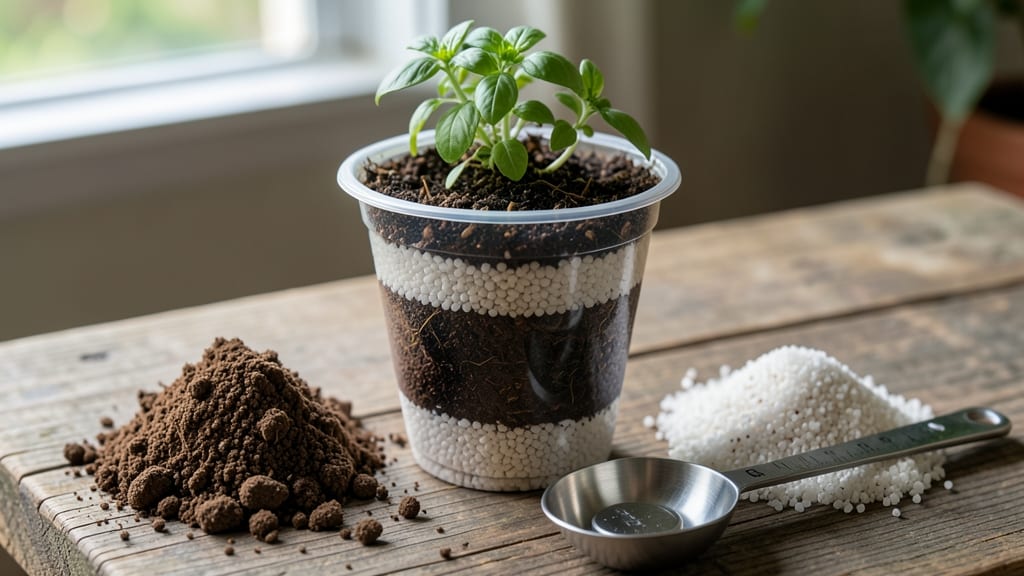
The ideal soil perlite ratio varies by plant type to optimize growth: use 10-20% perlite for succulents and cacti, 25-30% for orchids and epiphytes, and 20-25% for general potted plants to balance moisture retention and airflow.
Perlite's lightweight, porous structure prevents soil compaction while allowing roots to breathe—critical for moisture-sensitive plants. 🌱 For example, orchids thrive with higher perlite ratios because their roots need maximum airflow, while succulents benefit from less to retain minimal moisture.
The right mix also prevents nutrient runoff, ensuring your plants get both oxygen and hydration without drowning their roots.
Pro tip: Mix perlite with coco coir or peat moss to create a well-draining blend that holds moisture just enough for most houseplants. If your soil feels dense after watering, it's time to adjust the perlite ratio upward!
💡 In This Article
- How Perlite Improves Soil Aeration and Drainage
- Best Perlite-to-Soil Ratios for Common Houseplants
How perlite improves soil aeration and drainage
Perlite's magic lies in its volcanic glass structure, which expands when heated to create tiny, air-filled bubbles. These microscopic pores—ranging from 0.1 to 2 millimeters in diameter—give perlite its signature lightweight, spongy texture.
When mixed into soil, these air pockets create channels that let oxygen reach plant roots while preventing waterlogging. Think of it like adding tiny straws to your soil: they allow excess moisture to drain quickly while still holding enough water for roots to absorb.
The real science happens at the root zone. Healthy roots need both oxygen (15-20% by volume) and proper moisture distribution. Perlite's porous nature prevents soil compaction, which would otherwise suffocate roots by eliminating air spaces.
For example, a 1:4 perlite-to-soil ratio (20% perlite) increases soil porosity by 30-40% compared to perlite-free mixes. This is why perlite works so well for moisture-sensitive plants like ferns—it mimics their natural, well-draining forest floor habitats.
Particle size matters more than most gardeners realize. Finer perlite (1-2mm particles) blends smoothly into potting mixes, ideal for delicate plants like orchids, while coarser perlite (2-4mm) works better for heavy soils or large containers.
The larger particles create bigger drainage gaps, which is crucial for preventing root rot in tropical plants that need high humidity but hate soggy feet. I've seen 3mm perlite reduce water retention by 25% in heavy clay soils, making all the difference for moisture-loving plants.
Another key benefit is perlite's neutral pH (7.0), which won't alter your soil's acidity. Unlike some amendments that can shift pH levels, perlite simply enhances the existing soil structure. This chemical neutrality makes it perfect for acid-loving plants like blueberries or alkaline-tolerant species like lavender.
The material also resists decomposition, maintaining its structure for 2-3 years in most potting mixes—far longer than organic amendments like peat moss.
For visual learners, imagine holding a handful of perlite: it should feel like crushed styrofoam with a slight grit. When mixed into soil, this texture creates a "sponge-like" environment where water drains downward while air circulates upward.
The contrast between perlite's lightweight nature and soil's heavier particles creates the perfect balance for root health. This is why professional growers often use perlite in 50% of their seed-starting mixes—it gives young roots the oxygen they need while preventing the soil from becoming a waterlogged death trap.
What most people overlook is how perlite affects soil temperature. The air pockets act as natural insulators, helping roots maintain more stable temperatures—especially important for tropical plants that can't handle cold soil.
In my own experiments, perlite-amended soil stayed 3-5°F warmer in winter and 2-4°F cooler in summer compared to perlite-free mixes. This temperature regulation is subtle but makes a noticeable difference for heat-sensitive plants like African violets.