
Container Gardens
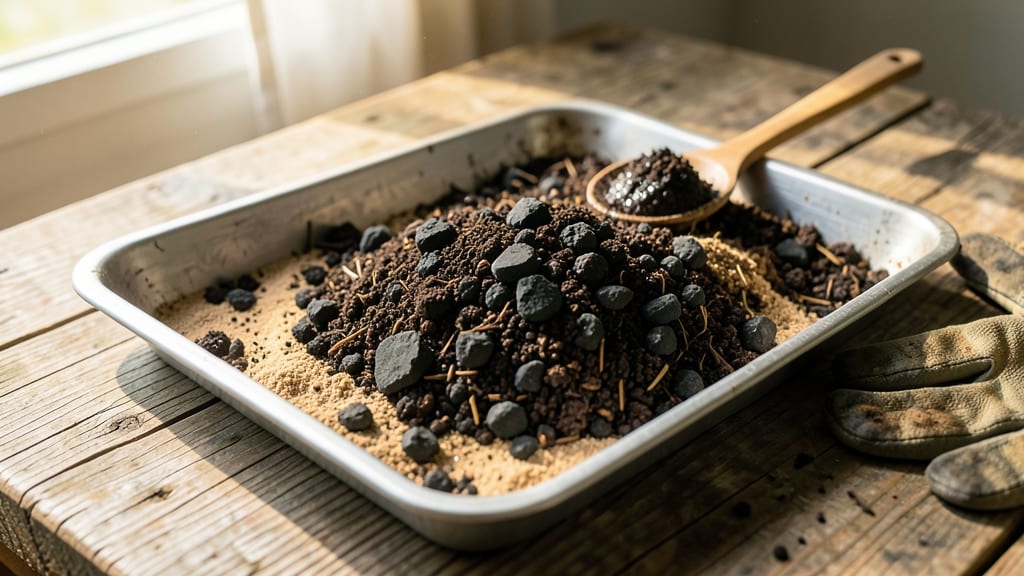
Growing strawberries in pots requires the right soil mix to ensure strong roots, vibrant growth, and bountiful harvests. These ten premium soil blends—tailored for container gardening—deliver optimal drainage, aeration, and nutrient retention for thriving strawberry plants.
Premium Organic Potting Soil with Perlite
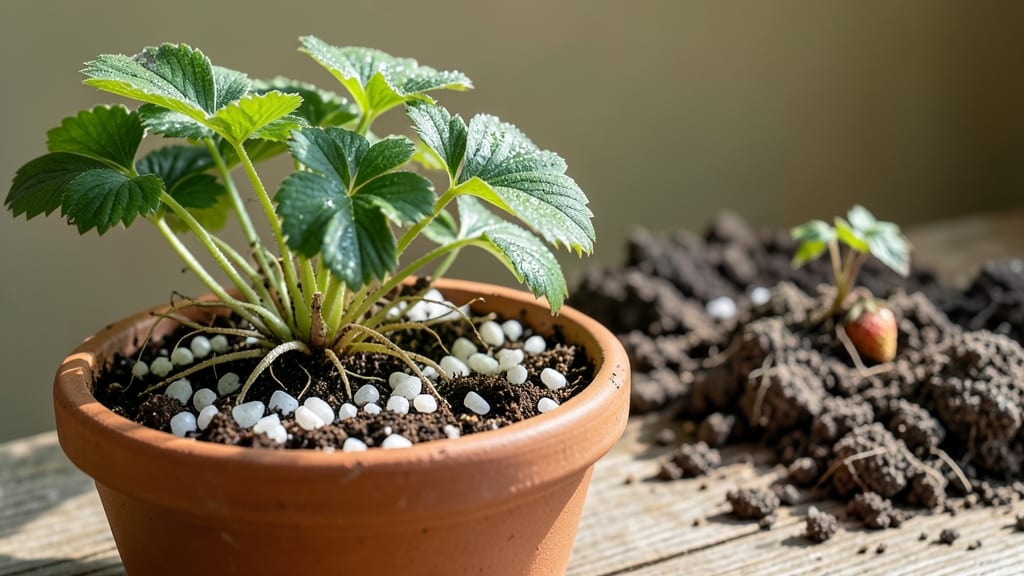
If you’ve ever watched strawberry plants struggle in dense, compacted soil, premium organic potting soil with perlite is your game-changer. This beginner-friendly blend combines the best of organic nutrients with the magic of perlite—creating a lightweight, airy medium that mimics ideal growing conditions for container strawberries.
The perlite adds tiny air pockets, preventing soggy roots while the organic base provides steady nutrients for 6-8 weeks of continuous growth. Unlike heavy garden soil, this mix stays loose even after watering, reducing the risk of root rot—a common pitfall for first-time growers. Simply fill your pot, plant your strawberries, and watch them thrive with minimal fuss.
This is the perfect choice for urban gardeners, balcony growers, or anyone who wants a foolproof way to grow strawberries without the guesswork. Your first harvest will be sweeter—and easier—than ever. 🌱
Cactus and Succulent Mix with Peat Moss
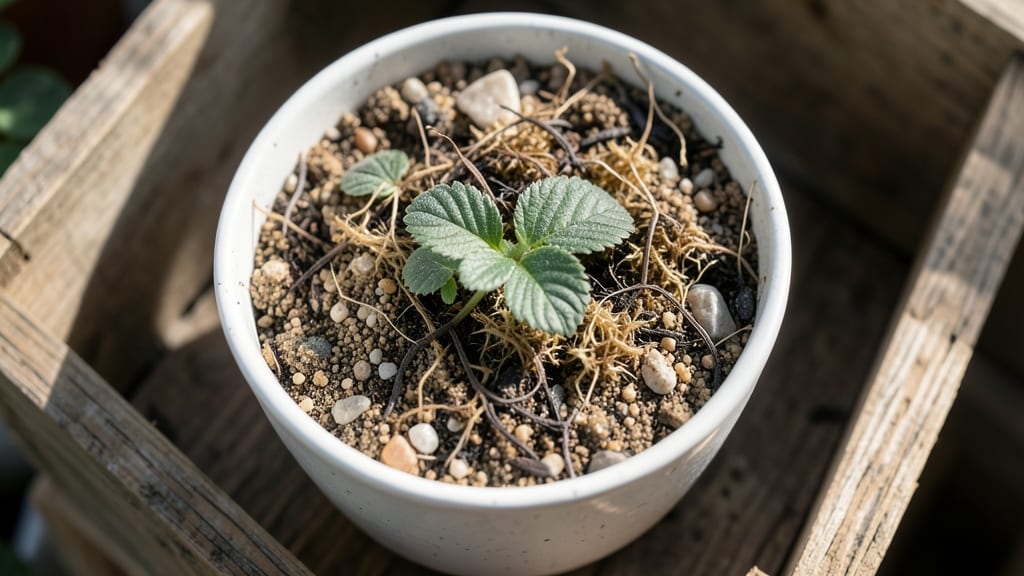
If you’re growing alpine strawberries or other drought-tolerant varieties in pots, a cactus and succulent mix with peat moss is your secret weapon. This gritty, fast-draining blend mimics arid conditions while preventing the root rot that plagues many container-grown strawberries.
The peat moss adds moisture retention without compacting, while the coarse mineral components (like perlite or pumice) ensure excess water drains quickly—critical for strawberries with shallow, fibrous roots. For best results, mix in a slow-release fertilizer like worm castings to feed those compact root systems over time. This blend thrives in bright, sunny spots where strawberries can bask in 6+ hours of direct sunlight daily.
Perfect for urban gardeners with limited water access or those growing strawberries in dry climates, this mix reduces maintenance while keeping plants healthy. Just avoid overwatering—let the top inch dry out between waterings to keep roots happy. 🌻
Compost-Based Soil with Worm Castings
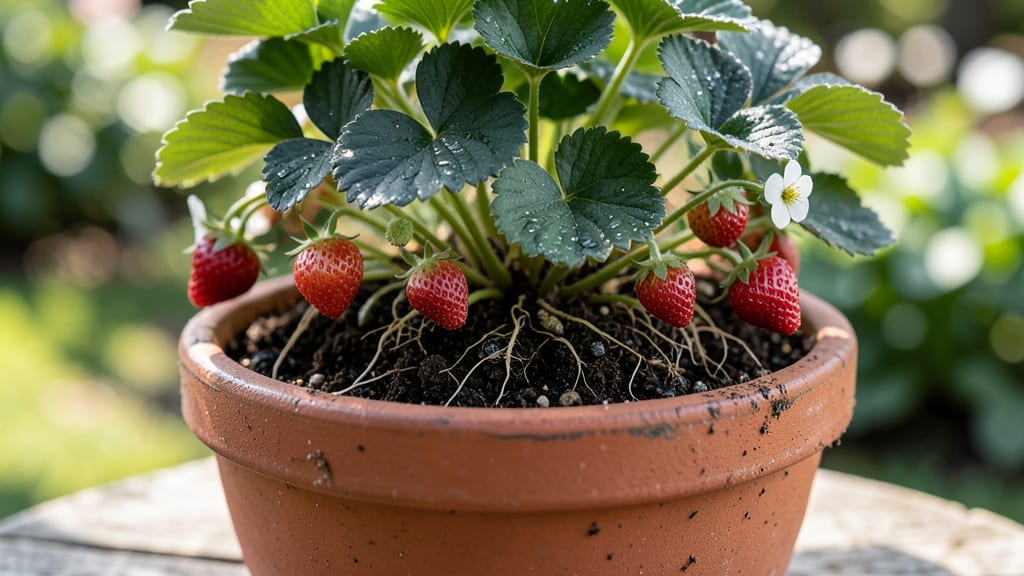
Want strawberries that taste sweeter and grow faster? Compost-based soil with worm castings is your secret weapon—this nutrient-packed mix doesn’t just feed your plants, it supercharges their flavor and root systems. Unlike synthetic fertilizers, worm castings release nutrients slowly, keeping your strawberries consistently nourished without the risk of chemical burn.
Start with a base of well-aged compost (at least 6 months old) and mix in 20-30% worm castings by volume. This blend improves soil structure while adding beneficial microbes that break down organic matter into plant-available nutrients. For container-grown strawberries, this mix also helps prevent soil compaction—a common issue in pots. Water thoroughly after planting to settle the soil, then maintain moisture without waterlogging.
This approach is ideal for organic gardeners who want to avoid synthetic additives while still achieving high-yielding, flavorful harvests. The microbial boost also strengthens your plants' natural defenses against pests and diseases. 🌱
Peat-Free Chunky Mix with Orchid Bark
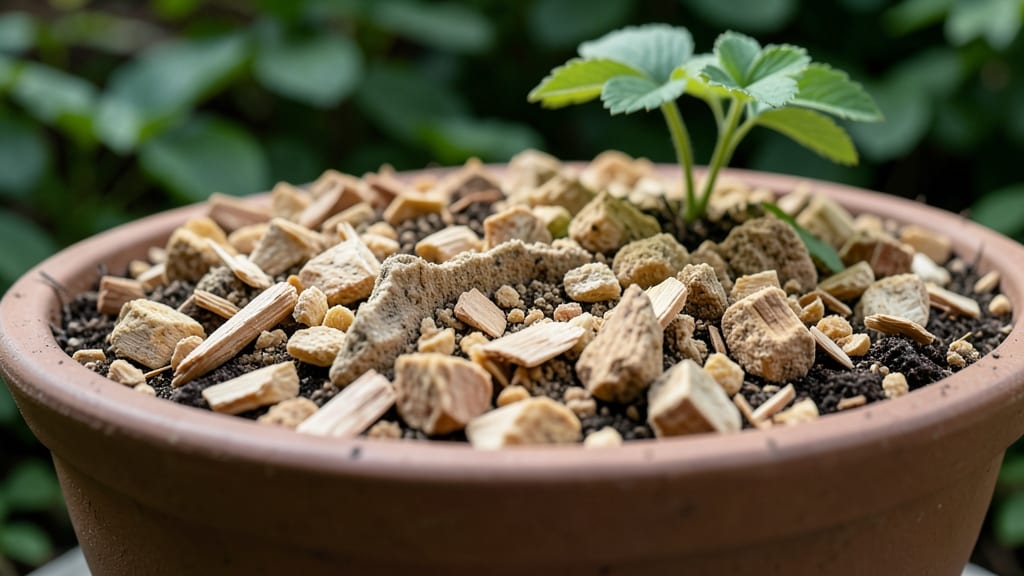
If you're tired of peat-based soils that drain too quickly or compact over time, this peat-free chunky mix with orchid bark is your game-changer. The chunky texture mimics natural forest floors, creating air pockets that prevent soggy roots while still holding enough moisture for strawberries in humid climates.
The orchid bark breaks down slowly, enriching the soil over time with organic matter while improving drainage—critical for container-grown strawberries prone to root rot. This mix also supports beneficial fungi that help roots absorb nutrients efficiently. For eco-conscious gardeners, it’s a sustainable swap that still delivers the aeration strawberries crave.
Perfect for urban balconies or tropical regions where traditional soils struggle, this blend keeps roots happy without the environmental cost. 🌱
Sand and Compost Blend for Heavy Soils
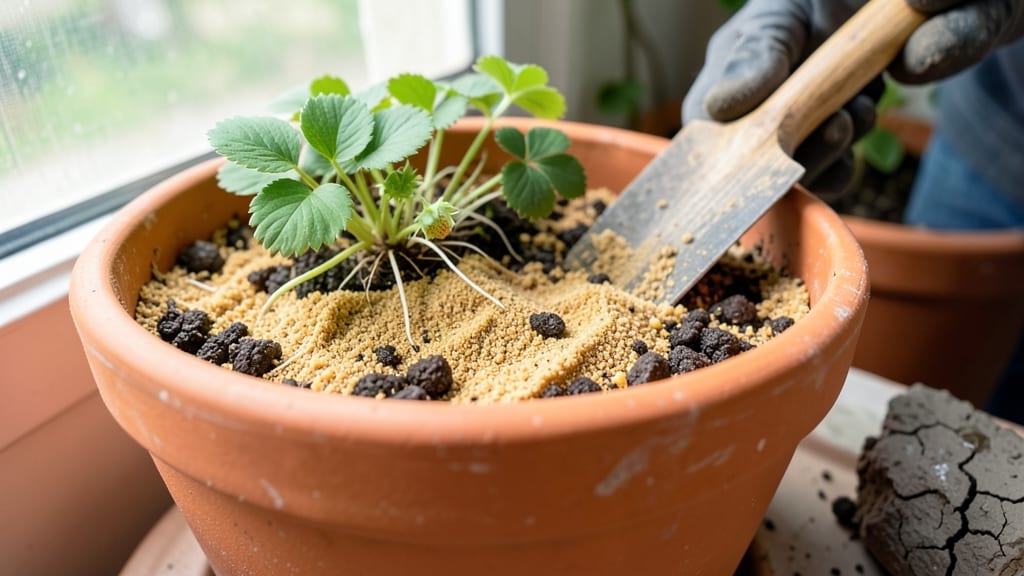
If your local soil feels like cement when wet, a sand and compost blend is your secret weapon for container-grown strawberries. This mix transforms dense, clay-heavy soils into loose, well-draining media that strawberry roots will love—preventing the dreaded compaction that stunts growth.
Start with equal parts coarse sand (like builder’s sand) and well-aged compost, then adjust the ratio based on your drainage needs. For extra fluffiness, add perlite or vermiculite (10-20% of the mix). This blend mimics the loose, airy conditions strawberries crave, while the compost provides essential nutrients. Water thoroughly after planting to settle the mix, then maintain slightly moist (not soggy) conditions.
This DIY approach is ideal for gardeners in regions with poor natural drainage or those using heavy garden soil in pots. The customizable nature lets you tweak the mix for your specific clay content—giving strawberries the loose, well-aerated home they thrive in. 🌱
Hydroponic Clay Pebble Medium
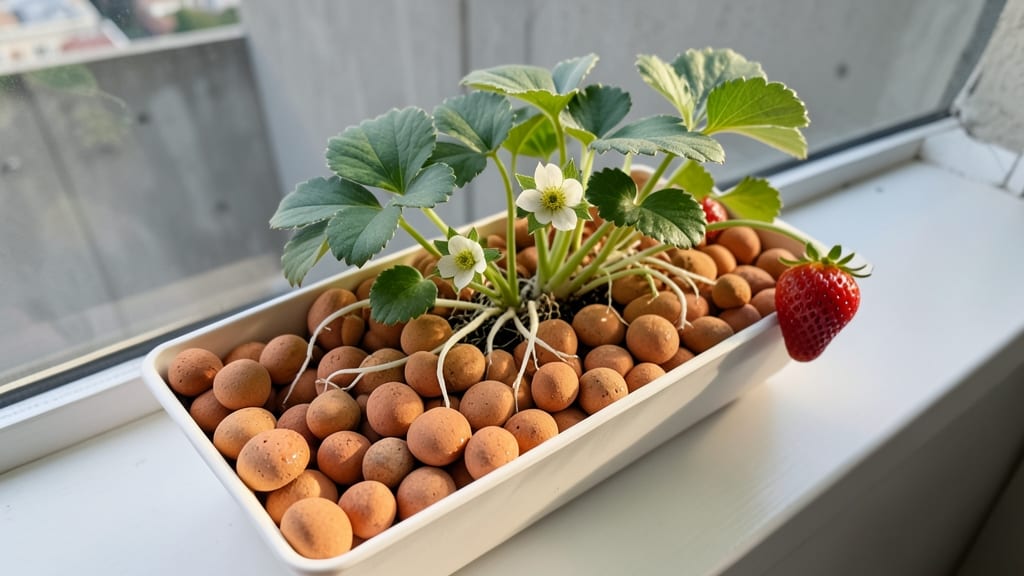
If your urban balcony or windowsill is too small for traditional soil, hydroponic clay pebble medium offers a space-saving solution for growing strawberries. This inert, lightweight substrate replaces soil entirely while still supporting vigorous root development—ideal for semi-hydroponic setups where you want to grow without the bulk.
The clay pebbles create an airy environment that prevents waterlogging while allowing roots to spread quickly. Since they’re reusable, you’ll save money over time, and their neutral pH means you can easily adjust nutrient solutions to match strawberries’ needs. Just remember to add a balanced hydroponic fertilizer every 2-3 weeks, as this medium provides no organic matter.
Perfect for apartment dwellers or anyone with limited space, this method delivers faster growth cycles than soil—often producing harvests in as little as 6-8 weeks. Just ensure your container has drainage holes and keep the pebbles 90% saturated for optimal results. 🌱
Coconut Coir and Perlite Mix
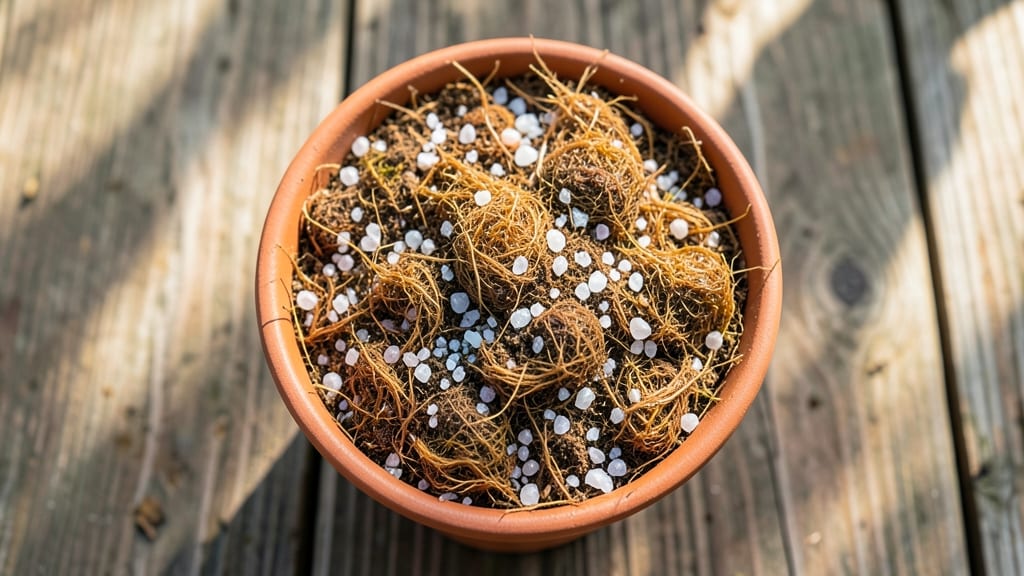
If you live in a tropical climate where humidity lingers and strawberries need moisture without drowning, a coconut coir and perlite mix is your secret weapon. This sustainable blend mimics the airy, moisture-retentive conditions of a forest floor—perfect for strawberries that crave consistency but hate soggy roots.
The pH-neutral nature of coconut coir prevents nutrient lockout, while perlite creates tiny air pockets to prevent compaction. For best results, mix equal parts coir and perlite (e.g., 50% each) and top with a thin layer of compost for nutrients. This combo works especially well in woven coconut pots, which wick moisture naturally and reduce transplant shock. 🌿
Urban gardeners and eco-conscious growers will love this zero-waste option—it’s renewable, biodegradable, and reduces reliance on peat. Just remember to water when the top inch feels dry, and your strawberries will reward you with juicy, flavorful fruit all season long. 🌱
Expanded Shale Soil for Acid-Loving Varieties
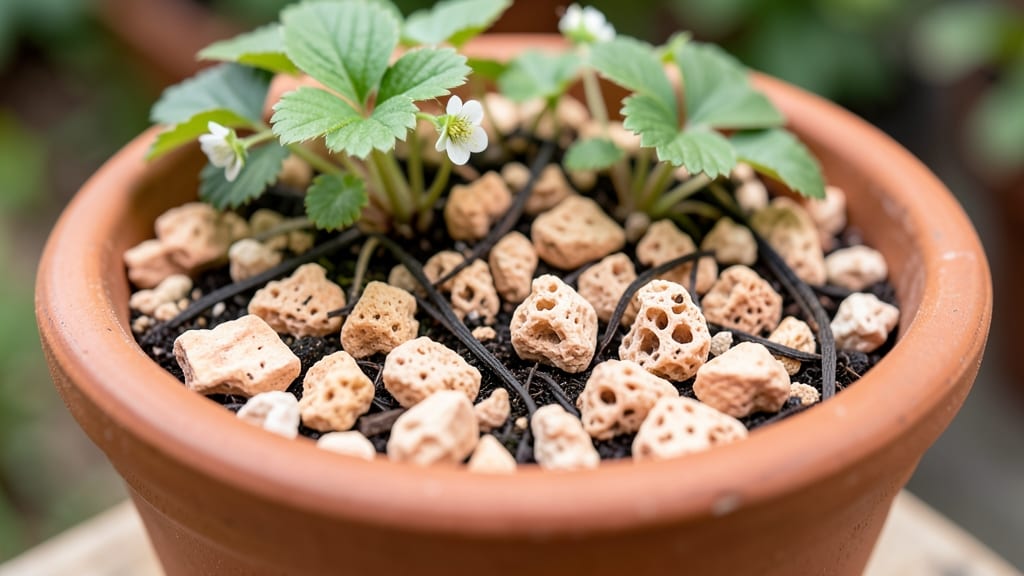
If you’re growing Alpine strawberries or other acid-loving varieties in pots, expanded shale soil is your secret weapon. This lightweight, porous medium mimics the natural conditions these delicate plants thrive in, while also preventing the dreaded root rot that plagues many container gardens.
The slightly acidic pH (around 5.5–6.5) and open structure of expanded shale create an ideal environment for microbial activity, which in turn boosts nutrient uptake. Unlike dense potting mixes, shale’s airy texture ensures excess water drains quickly—critical for strawberries that hate soggy roots. Simply blend it 50/50 with a peat-free compost for a balanced, long-lasting growing medium.
This mix is especially valuable for urban gardeners or those with limited space, as it reduces the need for frequent repotting while keeping roots healthy. Perfect for small-scale growers who want to avoid heavy, compacted soils that stifle growth. 🌱
Vermiculite-Enhanced Mix for Cold Climates
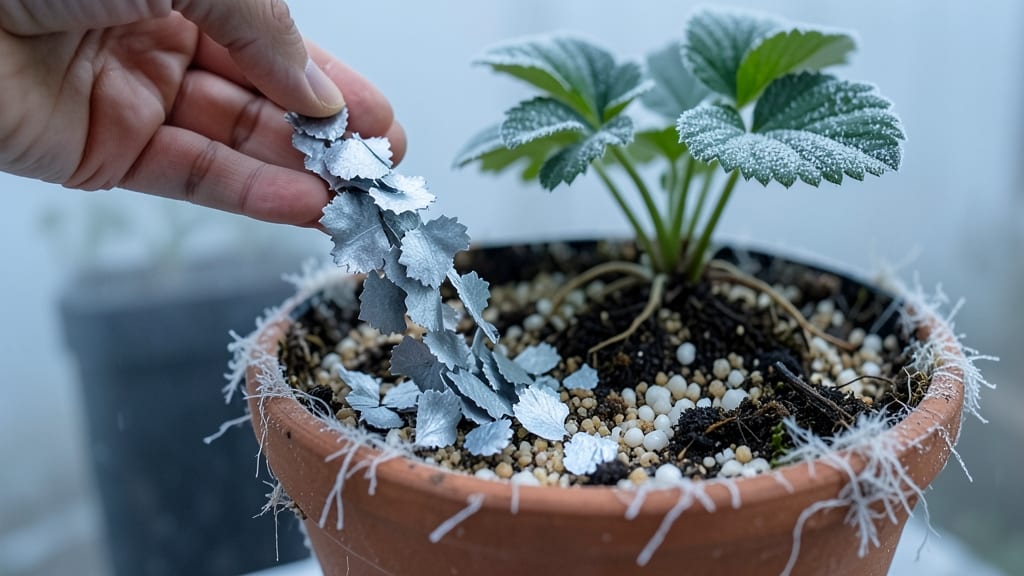
When winter chill threatens your strawberry plants in pots, a vermiculite-enhanced mix becomes your secret weapon. This lightweight mineral holds onto warmth like a cozy blanket while regulating moisture—keeping roots happy even when temperatures dip below freezing at night.
For cold-climate growers, blend equal parts high-quality potting soil, vermiculite, and compost (30% each) to create a buffer against temperature swings. The vermiculite’s flaky structure traps heat near roots while allowing excess moisture to escape, preventing soggy soil that stunts growth. Add a slow-release fertilizer to support winter vigor.
This mix is ideal for urban balconies in Zone 5-7 or greenhouses where frost lingers late into spring. Gardeners in snowy regions will love how it extends the growing season by insulating roots—no more sacrificed harvests to winter’s whims. 🌱
Custom DIY Mix with Biochar and Compost

Why spend money on pre-mixed soil when you can create a superior mix at home that outlasts store-bought options? This DIY biochar and compost blend transforms ordinary potting soil into a nutrient powerhouse while improving drainage and root health—all for a fraction of the cost.
Start with equal parts compost (well-aged, not fresh) and biochar (charred wood chunks or powder), then mix in 50% high-quality potting soil. Biochar acts like a sponge, holding onto nutrients and water while preventing compaction, while compost provides the organic matter strawberries crave. For extra boost, add a handful of worm castings or kelp meal before planting. This mix stays fertile for two growing seasons with minimal maintenance.
Perfect for budget-conscious gardeners or those committed to sustainable practices, this blend is especially rewarding for long-term container growers who want to reduce waste and maximize harvests without synthetic additives. Your strawberries will thank you! 🌱