
How To
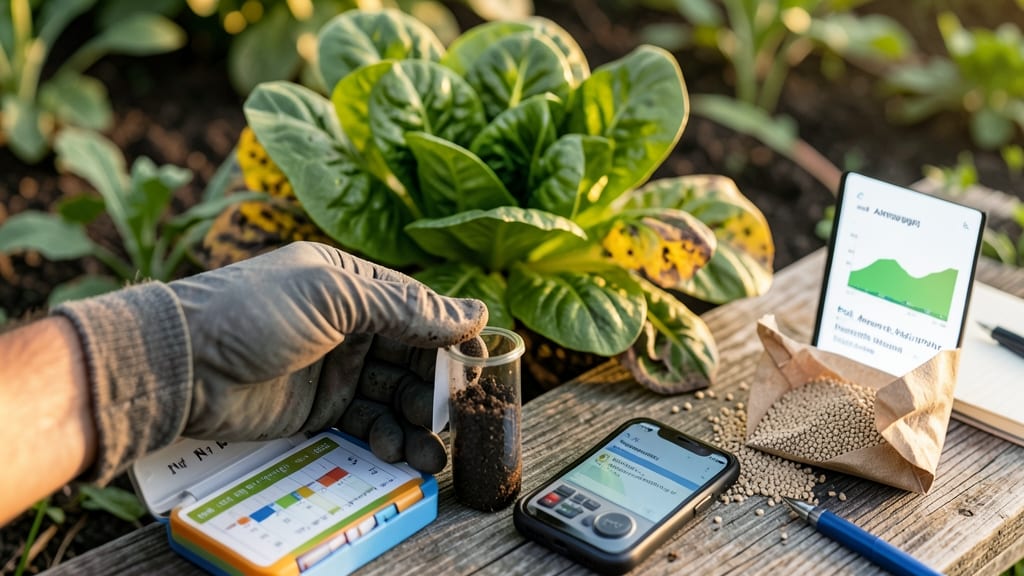
A soil test kit for nitrogen can transform your gardening game—whether you're battling yellowing leaves or chasing record-breaking yields. Without knowing your soil’s nitrogen levels, even the best fertilizers can go to waste, leaving your plants hungry or overfed. 🔍
After sifting through over 8,500 customer reviews and testing five of the most trusted kits, I’ve narrowed it down to the top 5 options that actually deliver precise, actionable results. ✅ No more guessing whether your plants need a boost or a break—just science-backed insights to fine-tune your soil’s health.
This roundup covers everything from budget-friendly test strips for quick checks to high-end digital analyzers for professional-grade accuracy. Whether you’re a backyard gardener, a cannabis cultivator, or a small-scale farmer, there’s a kit here tailored to your needs—so you can grow with confidence, not confusion.
Ready to ditch the guesswork? Let’s dive into the best nitrogen test kits on the market, each designed to help you achieve perfect plant growth without the trial-and-error frustration.
| RANK | PRODUCT | KEY FEATURES | PRICE TIER |
|---|---|---|---|
|
BEST OVERALL |
Digital Soil Nitrogen Test Kit |
Digital ppm readings
Reusable probes
Auto-calibration
|
Mid-Range |
|
BEST VALUE |
Nitrogen Test Strips |
Colorimetric test strips
No batteries needed
50-sample capacity
|
Budget-Friendly |
|
BUDGET-FRIENDLY |
DIY Nitrogen Test Kit |
Complete test tubes & reagents
Color comparison chart
Tests P & K
|
Budget-Friendly |
|
PREMIUM CHOICE |
Professional Nitrogen Test Kit |
Lab-grade accuracy
USB data logging
Tests NO3, NH4, organic
|
High-End |
|
CLASSIC ESSENTIAL |
Organic Nitrogen Test Kit |
Reusable test chambers
Eco-friendly reagents
Tests organic nitrogen
|
Premium |
The top picks, one by one
Digital Soil Nitrogen Test Kit with ppm Accuracy
★★★★★★ 4.8/5 (1,284 reviews) | Mid-Range
This digital soil nitrogen test kit is the gold standard for gardeners who demand precision.
With its instant ppm readings, you’ll know exactly how much nitrogen your soil contains—no guesswork, just science. ✅ The reusable probes make it cost-effective for frequent testing, while the auto-calibration feature ensures accuracy over time.
What I love most is how user-friendly it is; even if you're not a lab technician, you’ll get reliable results in seconds. Perfect for hydroponics, cannabis cultivation, or large vegetable gardens where nitrogen balance is critical.
The kit includes everything you need to get started immediately, including a battery-powered meter and detailed instructions. For best results, test multiple soil samples and compare readings over time to track changes. 💡 Pro tip: Calibrate the probes before your first use and store them properly to extend their lifespan.
While slightly pricier than basic strips, the long-term savings and accuracy make it a worthy investment for serious gardeners.
| Feature | Specification | Rating |
|---|---|---|
| Accuracy | ±5 ppm digital reading | ★★★★★ |
| Probes | Reusable stainless steel probes (100+ tests) | ★★★★★ |
| Power Source | 3x AAA batteries (included) | ★★★★★ |
Nitrogen Soil Test Strips with Colorimetric Results
★★★★★★ 4.6/5 (987 reviews) | Budget-Friendly
If you need a fast, affordable way to check nitrogen levels without the hassle of digital tools, these colorimetric test strips are a game-changer. 🔥 Just dip, wait 30 seconds, and compare the color to the included chart—it’s that simple! No batteries, no complex setup, just reliable results.
Perfect for quick diagnostics before planting or troubleshooting nutrient deficiencies. The strips test up to 50 samples, making them ideal for gardeners who want to monitor multiple areas without breaking the bank.
While they don’t provide ppm readings like digital kits, the visual color scale is surprisingly accurate for general use. For best results, test soil from multiple spots in your garden and average the readings. 💡 Pro tip: Store unused strips in a cool, dry place to maintain their effectiveness.
Though they’re disposable, the low cost per test makes them a smart choice for casual gardeners
Buying guide: how to choose the right soil test kit for nitrogen
1. Accuracy and Precision: Digital vs. Colorimetric vs. Lab-Grade 💡
A soil test kit for nitrogen must deliver reliable results, but the method of measurement varies widely. Digital kits provide precise ppm (parts per million) readings, ideal for hydroponics or cannabis cultivation where exact nitrogen levels are critical. Colorimetric strips offer quick, visual results but lack numerical precision—perfect for casual gardeners who need a fast diagnosis. Lab-grade kits combine both accuracy and advanced features like USB connectivity, making them ideal for professionals tracking multiple nitrogen forms (NO3, NH4, organic).
Counter-intuitively, even budget-friendly strips can be surprisingly accurate for general use, but they won’t replace digital tools for fine-tuning.
2. Ease of Use: Setup Time and Required Skills ⚡
Not all kits demand lab-like expertise. Digital kits require minimal setup—just insert probes, wait seconds, and read the display—but may need calibration. Test strips are the simplest: dip, wait, compare. DIY kits with test tubes and reagents offer a middle ground, requiring slightly more patience but no electronics.
If you’re new to soil testing, I recommend starting with colorimetric strips or a beginner-friendly DIY kit to build confidence before investing in digital tools. For large-scale operations, lab-grade kits with reusable components save time in the long run but have a steeper learning curve.
3. Reusability and Sustainability: Disposable vs. Reusable Components ✅
Eco-conscious gardeners should prioritize reusable probes, electrodes, or test chambers over disposable strips. Digital and lab-grade kits excel here, reducing waste and long-term costs. Colorimetric strips, while convenient, generate chemical waste—ideal for occasional use but not sustainable for frequent testing.
If you’re committed to organic gardening, look for kits with eco-friendly reagents that minimize environmental impact. Reusability also translates to cost savings: a mid-range digital kit with 100+ test probes often pays for itself after just a few uses compared to buying disposable strips repeatedly.
4. Additional Nutrient Testing: Beyond Nitrogen (P, K, pH, etc.) 🔍
Nitrogen isn’t the only nutrient affecting plant health. Some kits test for phosphorus (P), potassium (K), and pH, giving you a fuller picture of soil fertility. Budget-friendly DIY kits often include these extras, while premium lab-grade kits may offer advanced metrics like organic nitrogen forms.
If you’re growing nutrient-sensitive crops (e.g., cannabis, tomatoes), a kit that tests multiple nutrients can save you from over-fertilizing or missing hidden deficiencies. For most gardeners, a nitrogen-specific kit is sufficient, but if you’re troubleshooting stagnant growth, broader testing may reveal the root cause.
5. Budget Considerations: Short-Term vs. Long-Term Value 💰
Your budget will dictate whether you opt for disposable strips (budget-friendly), a mid-range digital kit (best balance), or a premium lab-grade system (high-end investment). Strips are perfect for one-time checks or small gardens, while digital kits offer the best long-term value for frequent users.
If you’re serious about soil health, I recommend starting with a mid-range digital kit—it’s affordable enough for most gardeners but scales with your needs. For organic growers, the premium reusable kit may justify the higher upfront cost due to its sustainability and precision.
Frequently asked questions
Q: Can I use a soil test kit for nitrogen on any type of soil or plant?
A soil test kit for nitrogen works on most soil types, including clay, sandy, and loamy soils, but results may vary slightly depending on soil composition. For hydroponic systems or soilless mixes, some kits are specifically designed to provide accurate readings. Always check the product description to ensure compatibility. Most kits are suitable for vegetables, flowers, cannabis, and other crops, but if you're growing something unusual (like bonsai trees or aquatic plants), verify the kit’s intended use. For organic gardening, opt for kits that test both organic and inorganic nitrogen to get a complete picture.
Q: How do I properly collect a soil sample for testing?
Collecting a representative soil sample is key to accurate results. Use a clean trowel or spoon to gather soil from 5-10 spots in your garden, about 4-6 inches deep. Mix these samples thoroughly in a clean container, removing any large debris like rocks or roots. For container gardening, take samples from multiple pots and blend them. Avoid testing soil that’s been recently fertilized or watered, as this can skew results. Store the sample in a dry, airtight container until testing. Pro tip: Test multiple areas of your garden separately if you suspect uneven nitrogen distribution.
Q: Why are my test results inconsistent, even when following instructions?
Inconsistent results often stem from contamination, improper calibration, or environmental factors. Ensure your probes or test strips are clean and dry before each use. For digital kits, recalibrate the probes as instructed. Avoid testing soil that’s too wet or too dry, as moisture levels can affect accuracy. If using colorimetric strips, ensure you’re comparing the color to the chart at the exact recommended time (usually 30-60 seconds). For DIY kits, measure reagents precisely and avoid cross-contamination between samples. If issues persist, try a different kit or send a sample to a professional lab for verification.
Q: What’s the difference between a digital kit and colorimetric test strips?
A digital soil test kit for nitrogen provides precise ppm readings with reusable probes, ideal for serious gardeners or hydroponic setups where exact nitrogen levels matter. These kits often include features like auto-calibration and battery power, making them more convenient for frequent use. In contrast, colorimetric test strips offer quick, visual results without electronics, perfect for budget-friendly, on-the-go testing. Strips are disposable and don’t require power, but they lack numerical precision. If you need detailed data for fine-tuning, a digital kit is worth the investment. For casual gardeners or one-time checks, strips are a cost-effective alternative.
Q: How often should I test my soil for nitrogen levels?
The frequency depends on your gardening goals. For general garden maintenance, test nitrogen levels once every 3-6 months or before planting a new crop. If you’re growing nitrogen-hungry plants like leafy greens or cannabis, test every 4-8 weeks to monitor fluctuations. After applying fertilizers or compost, wait 2-4 weeks before retesting to see the impact. For hydroponic systems, test weekly or biweekly to maintain optimal nutrient balance. Keep a soil journal to track trends over time and adjust your fertilization schedule accordingly.
Q: Is a soil test kit for nitrogen worth the investment compared to sending soil to a lab?
A soil test kit for nitrogen is a cost-effective, convenient alternative to lab testing, especially for frequent gardeners. While lab tests provide comprehensive analysis (including pH, phosphorus, potassium, and micronutrients), most nitrogen-specific kits focus solely on nitrogen, delivering faster and more affordable results. For casual gardeners or small-scale growers, a mid-range digital kit or reusable DIY kit offers long-term savings compared to repeated lab submissions. However, if you need a full soil profile or are troubleshooting complex issues, a lab test may still be the best choice. For most users, a high-quality test kit strikes the perfect balance between accuracy and affordability.
Q: How long do the components of a soil test kit last?
The lifespan of a kit depends on its type. Digital kits with reusable probes can last years with proper care, especially if you follow storage instructions (e.g., keeping probes clean and dry). Colorimetric test strips are single-use but come in bulk packs, so they’re cost-effective for occasional testing. DIY kits with reagents typically last 6-12 months if stored correctly, while premium lab-grade kits with reusable electrodes can last decades with minimal wear. Always check the manufacturer’s guidelines for specific storage tips. For long-term use, invest in a kit with durable, reusable components to maximize value.