
How To
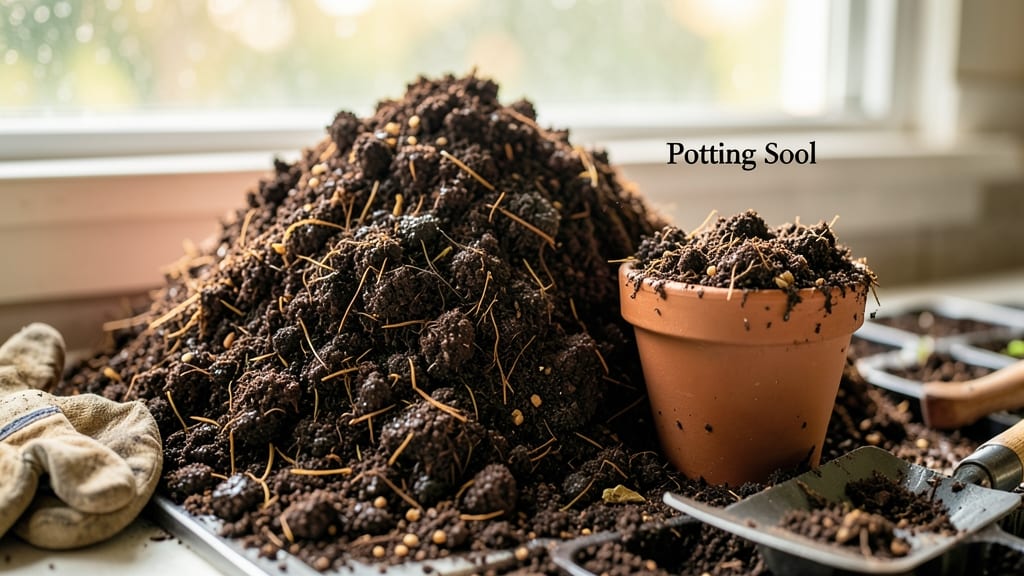
Understanding potting soil meaning reveals it's a specialized growing medium engineered for container gardening, blending organic matter with perlite or vermiculite to balance moisture retention and airflow for healthy root systems.
This container-specific mix stands apart from garden soil by avoiding heavy clay and compacting materials that would suffocate roots in limited space. 🌱 The right potting mix creates an ideal environment where plants thrive—whether you're growing herbs in small pots or vegetables in raised beds.
For instance, a typical blend might include peat moss, coconut coir, and composted bark, which work together to prevent waterlogging while providing essential nutrients.
What makes potting soil particularly valuable is its ability to mimic natural soil conditions without the drawbacks. Unlike garden soil, which can become dense and anaerobic, potting mixes are designed to stay loose and well-aerated.
This is especially important for plants in containers, where roots have less room to spread and need optimal conditions to access oxygen and nutrients efficiently.
💡 In This Article
- Key Differences Between Potting Soil and Garden Soil
- Best Uses and Types of Potting Soil for Your Plants
Key differences between potting soil and garden soil
At its core, potting soil is engineered to solve the unique challenges of container gardening. Unlike garden soil, which contains up to 45% clay particles that create a dense, heavy structure, potting mixes intentionally limit clay content to 10-20% or eliminate it entirely.
This reduction prevents compaction—a major issue in pots where roots can't expand naturally. The texture of potting soil feels almost fluffy, resembling a blend of shredded bark, coconut coir, and composted leaves, while garden soil often has a gritty, sticky quality when wet.
The moisture dynamics differ dramatically too. Garden soil can hold 20-30% water by volume due to its clay content, but potting soil typically retains only 10-20% water while still providing adequate hydration.
This balance is achieved through additives like perlite or vermiculite, which create air pockets that prevent waterlogging—a common killer of potted plants.
For example, a standard potting mix might contain 30% peat moss (for moisture retention), 20% perlite (for aeration), and 50% composted organic matter (for nutrients), creating a sponge-like structure that mimics ideal growing conditions.
Nutrient availability is another critical distinction. Garden soil benefits from years of natural decomposition, building up complex microbial ecosystems that slowly release nutrients. Potting soil, however, relies on pre-mixed fertilizers and organic amendments that break down more quickly.
This means potted plants often need fertilizer every 4-6 weeks compared to in-ground plants that may only need seasonal feeding. The trade-off? Potted plants grow faster in the short term because their roots have immediate access to concentrated nutrients without competing with weeds or soil-borne pathogens.
Consider the case of basil plants: in garden soil, roots can spread 12-18 inches deep over a season, while in a 6-inch pot, roots are confined to just 3-4 inches of soil volume.
This spatial limitation means potting soil must work harder to provide all essential nutrients in that limited space. The right mix achieves this by including slow-release fertilizers and mycorrhizal fungi that enhance root absorption. Without these adaptations, potted plants would quickly become nutrient-deficient despite regular watering.
One often-overlooked difference is the microbial environment. Garden soil contains diverse bacteria and fungi that help decompose organic matter and protect plants from pathogens. Potting soil, however, starts with a "clean slate" that requires intentional inoculation.
Many commercial mixes include beneficial microbes, but homemade blends may need additions like compost tea or worm castings to replicate this ecosystem. This is why repotting every 12-18 months is crucial—it refreshes the microbial population and prevents nutrient depletion.
For visual learners, imagine holding two handfuls of soil side by side: garden soil feels heavy and cool to the touch, while potting soil is lighter and warmer.
When squeezed, garden soil holds its shape briefly before crumbling, while potting soil falls apart almost immediately—a clear indicator of its superior aeration.
These physical differences directly translate to plant health: herbs like thyme or oregano will thrive in potting soil's loose structure, while struggling in dense garden soil where their delicate roots can't penetrate easily.