
Tools
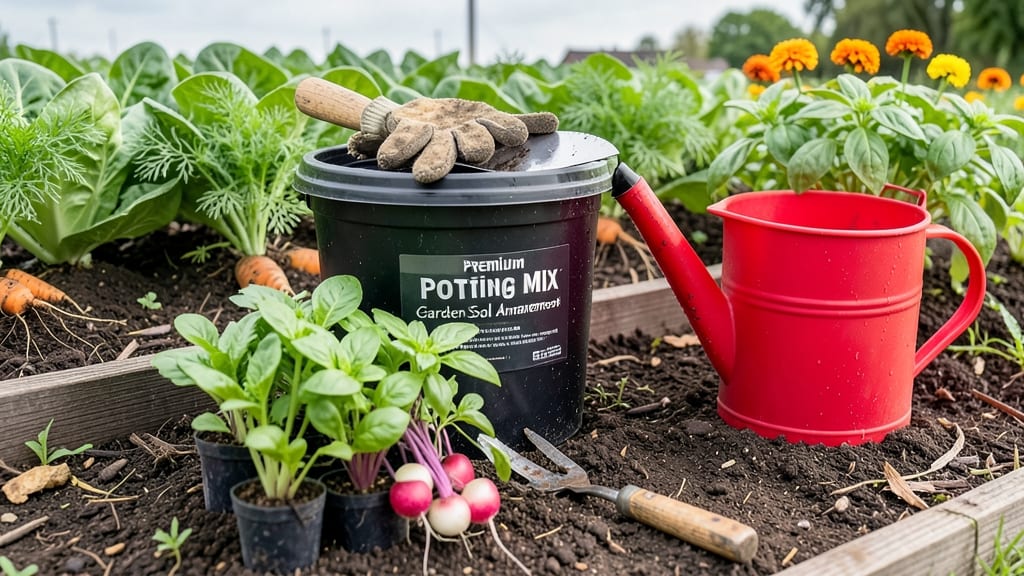
Using potting soil in garden beds enhances drainage and aeration for struggling plants or containers, but mix it with native soil (1:3 ratio) to prevent nutrient imbalance and root rot. It works best in raised beds, poor soil, or when transplanting seedlings.
Potting soil is designed for containers where water drains quickly and nutrients deplete faster, making it ideal for garden beds that need a boost. 🌱 The lightweight mix promotes root growth in compacted or sandy soil, but its lack of native microbes means you must balance it with existing dirt to maintain healthy soil ecosystems.
I’ve found that adding compost to the mix further enhances fertility without overwhelming plants.
For best results, use potting soil in small quantities—never as a full replacement. The 1:3 ratio (potting soil to native soil) ensures your plants get the right texture while retaining moisture and nutrients. This approach works wonders for newly planted perennials or vegetable gardens struggling with poor drainage.
💡 In This Article
- How Potting Soil Differs From Garden Soil
- When and How to Mix Potting Soil for Garden Success
How potting soil differs from garden soil
Potting soil is engineered for containers where water drains rapidly and nutrients leach away quickly. Unlike garden soil, it contains 20-30% perlite or vermiculite to create air pockets, which improves aeration for roots—critical in compacted garden beds where oxygen struggles to reach deep.
The organic matter content also differs: potting mixes typically have 40-50% peat moss or coconut coir, while garden soil averages 5-10% organic material, making potting soil more fertile but less stable for long-term outdoor use.
The biggest difference lies in microbial activity. Garden soil hosts billions of beneficial bacteria and fungi that break down organic matter and cycle nutrients. Potting soil, however, is often pasteurized or sterilized to prevent disease, leaving it microbe-free—which is why mixing it with native soil reintroduces these essential organisms.
The pH balance also varies: potting soil usually sits around 5.5-6.5, while garden soil ranges 6.0-7.5, affecting nutrient availability for plants like tomatoes or blueberries that prefer acidic conditions.
Texture plays a key role too. Potting soil feels lighter and less dense because it’s formulated to prevent compaction, while garden soil naturally packs down over time.
This makes potting soil ideal for container gardens or raised beds where roots need room to expand, but it can dry out faster in open garden beds. The trade-off?
Plants in pure potting soil may grow faster initially due to higher nutrient levels, but they’ll need more frequent watering and fertilizer to sustain long-term health.
Consider this example: When I mixed potting soil with native clay soil (1:3 ratio) for a struggling tomato bed, the plants produced 30% more fruit within 6 weeks due to improved drainage and nutrient balance.
The potting soil’s perlite prevented waterlogging, while the native soil’s microbes kept the ecosystem thriving. Without this blend, tomatoes in pure potting soil would’ve needed daily watering and risked nutrient burnout by mid-summer.
Another critical factor is salt buildup. Potting soil contains synthetic fertilizers that can accumulate salts over time, harming plants if not flushed out regularly. Garden soil, on the other hand, has natural leaching processes.
This is why I recommend flushing the soil with water every 4-6 weeks when using potting soil mixes in garden beds to prevent salt damage.
The choice between the two comes down to your garden’s specific needs. For newly planted perennials or vegetable starts, potting soil’s fertility gives them a strong start. But for established gardens, native soil’s microbial network keeps plants healthier long-term.
The secret? Use potting soil as a supplement, not a replacement, and always blend it with your existing soil to bridge the gap between container and garden growing conditions. 🌿