
How To
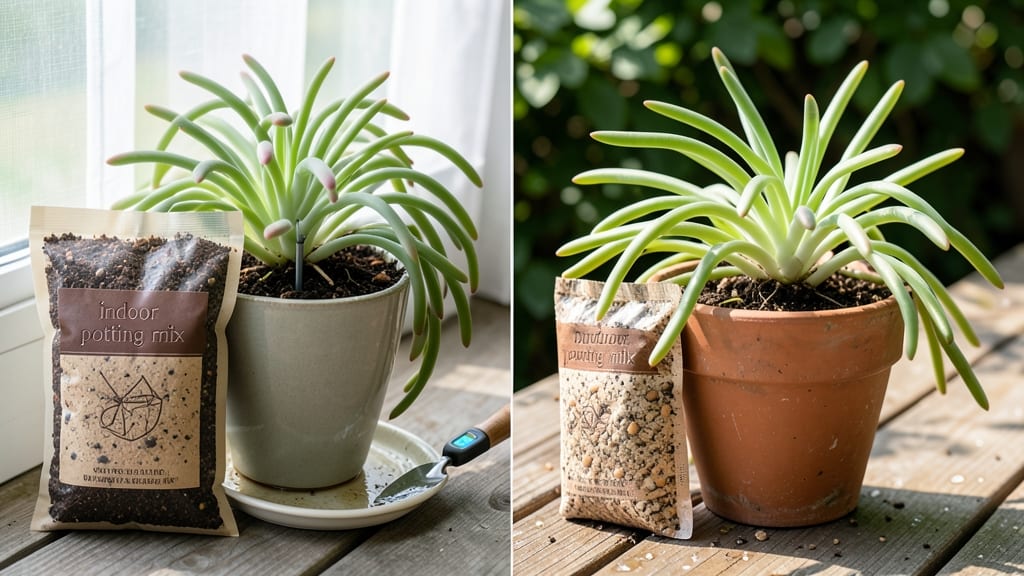
Your indoor ferns and outdoor tomatoes need different soil—indoor potting soil vs outdoor potting soil isn’t just about where it goes, but how it works.
I’ve ruined more houseplants than I’ll admit by using the wrong mix, and my vegetable garden’s first year suffered from soil that compacted like wet clay. The difference isn’t just labels—it’s about how roots breathe, how water drains, and whether nutrients last for months or wash away in the rain.
Indoor potting soil is lighter, fluffier, and packed with organic matter to hold moisture while still letting roots access air. Think of it like a sponge designed for small containers where water can’t escape easily—it’s usually 50% peat or coconut coir, with perlite or vermiculite to keep things loose.
Outdoor soil, on the other hand, is denser, heavier, and built to handle foot traffic, rain, and the weight of in-ground plants. It often includes sand or composted manure to improve structure without breaking down too fast.
Here’s the game-changer: indoor soil stays fertile for 3-6 months before needing refreshers, while outdoor soil can last a full growing season—or longer if amended with compost.
Succulents and herbs need that airy mix to avoid rot, while tomatoes and peppers thrive in soil that holds moisture but doesn’t suffocate roots. The wrong choice means wilting, yellowing leaves, or plants that refuse to grow despite your best care.
Pro tip: Mix your own for tricky plants—add perlite to outdoor soil for containers or boost indoor mix with compost for hungry veggies. Your roots will thank you, and so will your garden’s productivity. Let’s break down the exact differences so you never guess again.
The first product explained
Meet Miracle-Gro Indoor Potting Mix—your go-to companion for lush, thriving indoor plants! 🌿✨ Designed specifically for container gardening, this premium blend is engineered to deliver the perfect balance of nutrients, moisture retention, and aeration for roots that love to breathe. Whether you're nurturing ferns, succulents, or your prized orchid, this soil is your secret weapon for a vibrant indoor jungle.
📏 Key Specs & Features
| Component | Details |
|---|---|
| Soil Type | Peat-based with added perlite, vermiculite, and compost for optimal drainage and nutrient retention. |
| Nutrient Boost | Enriched with time-release fertilizer (12-6-6 NPK ratio) to feed plants for up to 3 months. |
| Moisture Control | Balanced blend to prevent overwatering while keeping roots hydrated—ideal for forgetful plant parents! 😅 |
| pH Level | Neutral to slightly acidic (5.5–6.5), perfect for most houseplants. |
| Weight & Size | Available in 8-quart and 18-quart bags, making it easy to scale for small pots or large collections. |
🎯 Who’s It For?
This potting mix is a home run for:
- Indoor gardeners—whether you're a beginner or a plant enthusiast, it’s tailored for containers, hanging baskets, and window gardens.
- Urban dwellers with limited outdoor space but big dreams for greenery.
- Plant rescuers reviving wilting plants or propagating cuttings (it’s that good!).
- Herb & veggie lovers growing basil, mint, or cherry tomatoes indoors.
💰 Price Point & Value
Priced competitively at $6.97–$12.97 (depending on bag size), this mix offers exceptional value. The time-release fertilizer alone saves you money on extra plant food, and its consistency means fewer amendments down the line. Plus, it’s readily available at garden centers, Home Depot, Lowe’s, and online retailers—no specialty shopping required!
💡 Pro Tip: For extra moisture retention, mix in a handful of coconut coir or worm castings if your plants crave a little more hydration!
The second product explained
Meet Miracle-Gro Indoor Potting Mix—the ultimate companion for your indoor green thumb! 🌱✨ This premium blend is specifically crafted to help your houseplants thrive, whether you're nurturing a fern, a fiddle-leaf fig, or a collection of succulents. Let’s dive into what makes this soil a must-have for indoor gardening.
📏 Key Specs & Features
This 8-quart bag of Miracle-Gro Indoor Potting Mix is designed with indoor plants in mind, offering:
- Lightweight & Fluffy Texture: Perfect for containers and pots, ensuring optimal aeration for delicate roots.
- Moisture-Retentive Formula: Holds just the right amount of water to keep roots hydrated without sogginess.
- Slow-Release Fertilizer: Includes a 4-month supply of balanced nutrients (15-16-17 NPK ratio) to fuel steady growth.
- Peat & Perlite Blend: A mix of organic and inorganic materials for a well-draining yet nutrient-rich medium.
- pH-Balanced: Neutral pH (around 5.5–6.5) to suit most indoor plants.
🎯 Who’s It For?
This product is a game-changer for:
- 🌿 Indoor Plant Enthusiasts: Ideal for beginners and pros alike, with a foolproof formula for common houseplants.
- 🏡 Urban Gardeners: Perfect for small spaces, balconies, and windowsills where outdoor soil won’t cut it.
- 🌵 Succulent & Cactus Lovers: While not as gritty as cactus mixes, it’s a great all-purpose option for most drought-tolerant plants.
- 💡 Plant Parents: Great for repotting or refreshing soil in existing containers to revive struggling plants.
💰 Price Point & Value
Priced around $8–$12 for an 8-quart bag (depending on retailer and location), this mix offers serious value. While it’s slightly more expensive than generic potting soil, the added nutrients and tailored formula make it a worthwhile investment for long-term plant health.
Plus, one bag often lasts for multiple repottings or larger containers!
💡 Pro Tip: Mix this with a bit of perlite or vermiculite for extra aeration if you’re growing moisture-sensitive plants like calatheas or ferns.
Head-to-head comparison
🌱 Performance: How Each Soil Handles the Job
When it comes to performance, indoor and outdoor potting soils are designed for very different environments—and their strengths show in how they support plant growth. Let’s break it down:
- Indoor Potting Soil:
- Moisture Retention: 💧 Winner here! Indoor soils are packed with organic matter (like peat moss or coconut coir) to hold water longer, preventing rapid drying—a common issue for houseplants under artificial lights or AC/heat.
- Aeration: Lightweight blends (often with perlite or vermiculite) ensure roots get oxygen, which is critical for container-bound plants that can’t spread roots like outdoor plants.
- Nutrient Release: Formulated to release nutrients gradually, matching the slower growth cycles of indoor plants. Think of it like a slow-release fertilizer in soil form!
- Outdoor Potting Soil:
- Drainage: 🌧️ Designed to shed excess water fast—critical for outdoor pots exposed to rain or irrigation. Too much moisture retention? Root rot risk spikes!
- Durability: Often includes sand or mineral additives to mimic natural soil structure, helping plants withstand wind, temperature swings, and heavier watering.
- Nutrient Density: Packed with immediate-release nutrients (like bone meal or compost) to fuel rapid growth, perfect for outdoor plants that grow aggressively in seasons.
💡 Pro Tip: If you’re growing the same plant indoors vs. outdoors, you might need to adjust fertilizers! Indoor soils often require supplemental nutrients after 3–6 months, while outdoor soils may deplete faster due to leaching from rain.
🛠️ Features: What’s Under the Surface?
Dive into the ingredients, and you’ll see why these soils are night-and-day different. Here’s what’s really in them:
| Feature | Indoor Potting Soil | Outdoor Potting Soil |
|---|---|---|
| Primary Organic Matter | Peat moss, coconut coir, composted bark (soft, spongy texture) | Compost, leaf mold, or well-rotted manure (denser, earthier) |
| Amendments for Aeration | Perlite, vermiculite, or rice hulls (30–50% of mix) | Sand, gravel, or expanded clay (10–20% of mix) |
| Fertilizer Type | Slow-release (e.g., Osmocote, worm castings) | Quick-release (e.g., blood meal, fish emulsion) or balanced granules |
| pH Balance | Slightly acidic (5.5–6.5) to mimic greenhouse conditions | Neutral to slightly alkaline (6.5–7.5) for hardy outdoor plants |
| Weed Seed Content | None (sterilized for clean growth) | May contain traces (unless labeled "weed-free") |
✨ Fun Fact: Outdoor potting soils often include mycorrhizal fungi to boost root networks—something indoor soils skip (since fungi can compete with delicate houseplants for nutrients).
$ Price: Your Wallet vs. Your Plants
Budget matters, and the cost difference reflects the specialized needs of each soil type. Here’s the breakdown:
- Indoor Potting Soil:
- Cost Range: $3–$8 per 2–4 cubic feet bag (premium mixes with added nutrients can hit $10+).
- Why? Lightweight additives (perlite, worm castings) and sterilization drive up costs. But you’ll use less per plant since pots are smaller.
- Best Value: Look for bulk bags (e.g., 8+ cubic feet) if you’ve got a jungle of houseplants!
- Outdoor Potting Soil:
- Cost Range: $2–$6 per 2–4 cubic feet bag (cheaper if you opt for "garden soil" blends).
- Why? Uses heavier, natural ingredients (compost, sand) and skips pricey aeration additives. You’ll also need more volume for large containers.
- Budget Hack: Mix outdoor soil with 50% compost to stretch your bag further without sacrificing performance.
💰 Money-Saving Tip: If you’re only growing herbs or veggies outdoors, consider homemade mixes—compost + coconut coir + perlite can rival store-bought outdoor soil for a fraction of the cost!
🏗️ Durability: How Long Does It Last?
Soil isn’t static—it breaks down, loses nutrients, and changes texture over time. Here’s how long you can expect each to perform before refresh:
- Indoor Potting Soil:
- Lifespan: 6–18 months (varies by plant type).
- Signs It’s Time to Replace:
- Crusty surface (from salt buildup or over-fertilizing).
- Foul odor (compaction + bacteria = root rot risk).
- Nutrient depletion (yellowing leaves despite watering).
- Extending Its Life: Top-dress with compost or worm castings every 3–6 months.
- Outdoor Potting Soil:
- Lifespan: 1–3 years (longer for perennial plants).
- Signs It’s Time to Refresh:
- Hardpan formation (water runs off instead of soaking in).
- Visible weed seeds sprouting.
- Soil smells "dusty" or lacks moisture retention.
- Reviving It: Mix in fresh compost or aged manure to recharge nutrients. For heavy containers, replace 25–50% annually.
🌡️ Climate Note: Outdoor soil in hot, dry climates may last shorter (sun bakes organic matter faster), while indoor soil in humid basements can stay viable longer due to slower
Which one should you choose?
So, which potting soil is right for your plants? The answer depends on your growing goals, space, and the types of plants you’re nurturing. Let’s break it down to help you make the best choice! 🌱✨
🏡 Choose Indoor Potting Soil If...
- You’re growing plants in containers, pots, or raised beds. Indoor soil is lighter, drains faster, and prevents root rot in confined spaces.
- Your plants are small or delicate (e.g., herbs, succulents, or seedlings). The finer texture and higher organic matter support tender roots.
- You’re limited on space or need a soil that’s easy to work with. It’s perfect for urban gardening, windowsill gardens, or balcony setups.
- You want to minimize pests and weeds. Indoor soil is less likely to harbor outdoor invaders like insects or fungal spores.
🌿 Choose Outdoor Potting Soil If...
- You’re planting in garden beds, in-ground, or large containers. Its heavier texture and higher clay content improve moisture retention for bigger root systems.
- Your plants are heavy feeders (e.g., tomatoes, peppers, or flowering plants). Outdoor soil often has more nutrients and better structure for robust growth.
- You’re dealing with sandy or poor-quality native soil. It amends the ground, improving drainage and fertility for long-term planting.
- You’re prepping soil for seasonal planting or bulk projects. It’s cost-effective for large-scale gardening and landscape projects.
🔄 Pro Tip for Mixed Scenarios
If you’re unsure or working with a hybrid setup (like a large container that needs both drainage and moisture retention), consider mixing the two. Use 60% indoor soil for the top layer (where roots spread) and 40% outdoor soil at the bottom (for stability and nutrients).
This balances aeration with moisture control!
💡 Final Recommendation: Start with indoor potting soil for beginners or small-scale projects—it’s forgiving and versatile. If you’re tackling bigger plants or outdoor beds, outdoor potting soil will give you the density and nutrients your roots crave. Happy planting! 🌟