
How To
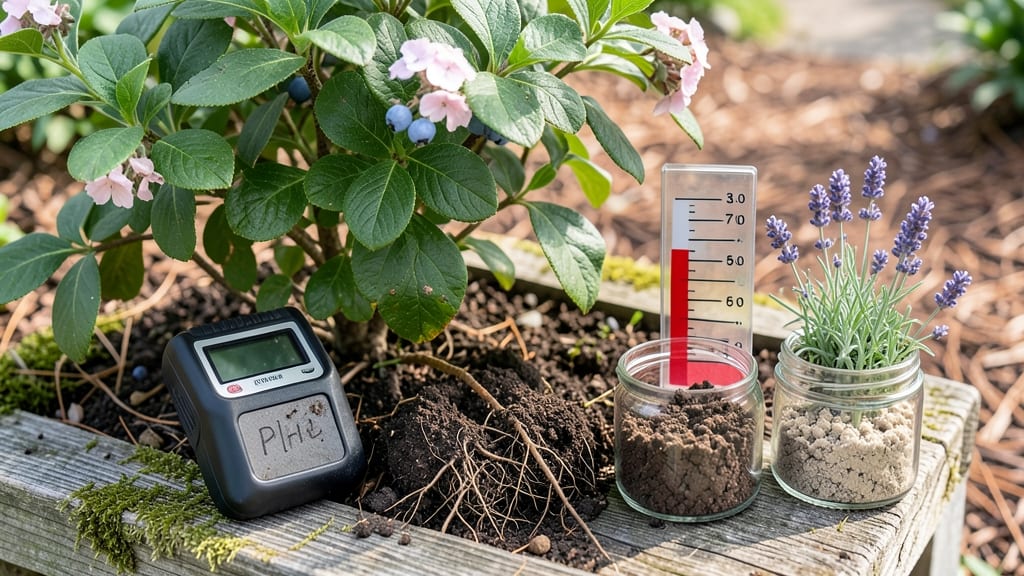
Is clay soil alkaline or acid? Clay soil is typically alkaline or neutral rather than acidic, with pH levels often ranging from 6.6 to 7.5 due to its dense mineral structure and slow organic matter decomposition. This makes it less suitable for acid-loving plants without proper adjustments.
Clay soil's alkaline tendency comes from its high mineral content, particularly calcium carbonate, which naturally raises pH over time. 🌱 Unlike sandy or loamy soils, clay's dense particles trap water and nutrients, creating a slower breakdown of organic matter that further influences pH balance.
This is why many gardeners need to test their clay soil before planting acid-loving species like blueberries or azaleas—simple soil tests reveal whether amendments like sulfur or pine needles are necessary.
For those looking to lower pH in clay soil, I recommend starting with a soil test kit to measure current levels.
Once you know your baseline, organic amendments like composted leaves or pine straw can gradually acidify the soil over months. 💚 Quick fixes like sulfur work faster but require careful application to avoid over-acidification.
The key is patience—clay soil's dense nature means changes take time, but with the right approach, you can create the perfect growing conditions for even the most finicky plants.
💡 In This Article
- Why Clay Soil pH Differs from Sandy or Loamy Soil
- Adjusting Clay Soil pH for Acid-Loving Plants
Why clay soil pH differs from sandy or loamy soil
Clay soil's alkaline tendency stems from its unique mineral composition and structure. Unlike sandy soil, which drains quickly and has fewer minerals to influence pH, clay contains high levels of calcium carbonate and other alkaline minerals that naturally raise pH levels over time.
These minerals dissolve slowly in the dense, tightly packed clay particles, creating a gradual release of alkaline compounds that can push pH toward the neutral or slightly alkaline range (6.6-7.5). 🌱
The dense structure of clay also plays a critical role. Clay particles are negatively charged and attract positively charged ions like calcium (Ca²⁺) and magnesium (Mg²⁺), which are common in alkaline soils. This attraction creates a buffer effect that resists pH changes.
In contrast, sandy soil lacks this buffering capacity, making it easier to adjust its pH with amendments. Loamy soil, which balances clay, silt, and sand, typically has a more neutral pH (around 6.0-7.0) because its structure allows for better organic matter breakdown and nutrient cycling.
Water retention further influences clay soil's pH. Clay holds water tightly, which can lead to anaerobic conditions where organic matter decomposes slowly, releasing fewer acidic byproducts.
This slow decomposition process reduces the natural acidity that would otherwise lower the pH. For example, in a clay soil with a pH of 7.2, organic matter might break down at a rate of just 1-2% annually, compared to 5-10% in sandy soil, which keeps the soil less acidic over time. 💧
Another key factor is the presence of secondary minerals like mica and feldspar, which are common in clay soils. These minerals weather slowly, releasing alkaline ions into the soil solution.
In sandy soils, these minerals are often washed away or absent, while loamy soils have a more balanced mix of minerals and organic matter that helps maintain a stable, slightly acidic to neutral pH. This is why clay soil often requires more effort to acidify—its mineral composition and density work against rapid pH shifts.
Consider the example of a garden in a region with heavy clay soil, where the natural pH might hover around 7.0. Without intervention, plants like tomatoes or carrots (which thrive in neutral to slightly alkaline soil) will grow well, but acid-loving plants like blueberries (ideal pH: 4.5-5.5) will struggle.
The dense clay structure means any amendments, like sulfur, must be applied consistently over months to penetrate deeply and achieve the desired pH change. This is a stark contrast to sandy soil, where amendments can take effect in weeks due to faster water movement and nutrient availability.
For gardeners working with clay soil, understanding these differences is crucial. The dense, mineral-rich nature of clay means that pH adjustments aren't just about adding acid or lime—they're about working with the soil's natural resistance to change.
This is why soil testing is the first step: it reveals the baseline pH and helps determine whether you're dealing with a naturally alkaline clay or a soil that can be adjusted with targeted amendments. 🌿