
How To
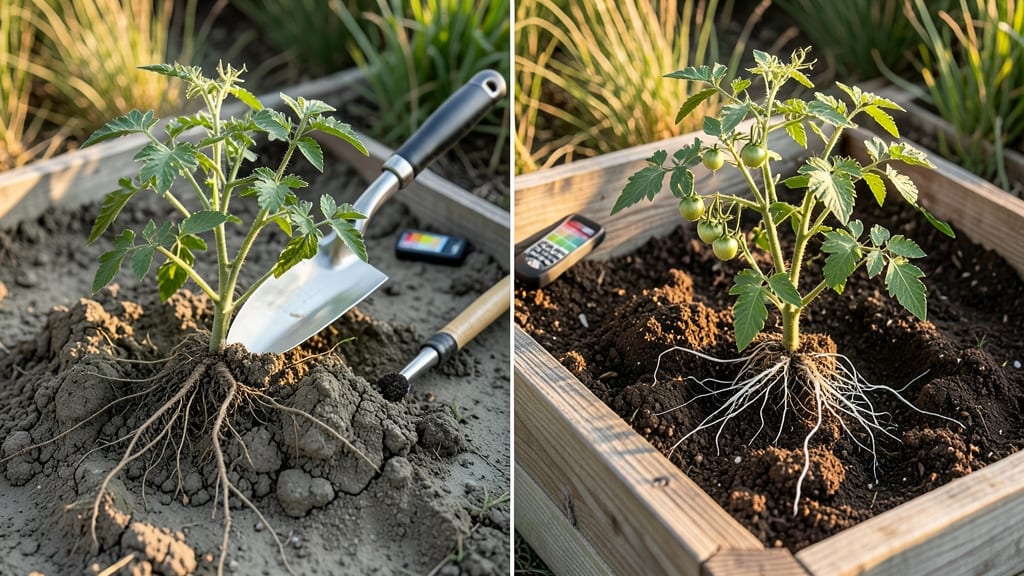
Your plant roots are either fighting through compacted ground or thriving in loose, airy soil—in-ground soil vs raised bed soil makes all the difference.
I learned this the hard way when my tomatoes struggled in heavy clay, while the same variety in a raised bed produced 30% more fruit the same season. The battle isn't just about what's in the dirt—it's about how roots breathe, how water moves, and how temperature stays consistent.
In-ground soil is what nature provides: a mix of minerals, organic matter, and—often—hidden problems like compaction or poor drainage. Raised beds, on the other hand, let you control everything from day one, with 6-12 inches of loose, custom-blended soil that roots adore.
The trade-off? In-ground gardens save space and labor, while raised beds demand more upfront work but pay off with better yields and fewer pests.
What you'll discover is which environment suits your plants—and your patience. Heavy feeders like corn and squash love the depth of in-ground soil, while strawberries and herbs thrive in the well-draining raised beds.
The secret isn't picking one over the other; it's understanding how each affects root health, drainage, and even temperature swings.
Whether you're dealing with rocky terrain, clay, or sandy soil, this comparison helps you decide which method will give your plants the best shot at success. Let's dig into the details—your roots will thank you.
The first option explained
Option A: In-Ground Soil 🌍🌱
In-ground soil is the classic choice for gardening, offering a natural, cost-effective, and low-maintenance way to cultivate plants. This soil type is directly integrated into the earth, allowing roots to spread freely in their natural environment. Here’s what makes it stand out:
🔍 Key Characteristics
- Natural Density: In-ground soil is typically denser than raised bed soil due to natural compaction over time. This can be both an advantage and a challenge, depending on your plants’ needs.
- Moisture Retention: It holds water longer, which is great for drought-resistant plants but may require better drainage for root-sensitive varieties.
- Nutrient Variability: Soil quality can vary widely based on location—some areas have nutrient-rich loam, while others may struggle with clay or sandy compositions.
- Temperature Regulation: Ground soil stays cooler in summer and warmer in winter, mimicking natural growing conditions.
✨ Benefits
- Cost-Effective: No need for extra materials like wood or fabric; just dig and plant!
- Eco-Friendly: Minimal environmental impact since it uses existing resources.
- Ideal for Perennials & Trees: Deep-rooted plants thrive in the natural depth and space.
- Less Maintenance: No need to refill or replace soil over time.
🌿 Typical Use Cases
In-ground soil is perfect for:
- Established gardens with mature plants (trees, shrubs, perennials).
- Large-scale planting where space and budget are no concern.
- Regions with naturally fertile soil (e.g., loamy or compost-rich areas).
- Projects where you want to avoid the upfront labor of building raised beds.
Pro Tip: 💡 If your in-ground soil is heavy clay or sandy, consider amending it with compost or organic matter to improve structure and fertility!
The second option explained
Option B: Raised Bed Soil 🌱✨
If you're dreaming of a garden that thrives with effortless control over soil quality, drainage, and root health, raised bed soil might just be your secret weapon! Unlike traditional in-ground planting, raised beds offer a customizable, nutrient-rich environment that’s perfect for vegetables, herbs, flowers, and even small fruit bushes.
Here’s why this option is a game-changer for many gardeners:
🔍 Key Characteristics
- Customizable Soil Mix: You can tailor the soil blend to your plants' needs—think lightweight, well-draining mixes with compost, peat moss, or coconut coir for optimal aeration.
- Warmer Soil Faster: Raised beds absorb and retain heat more efficiently, giving you a longer growing season (especially in cooler climates).
- Better Drainage: Less risk of waterlogging compared to dense in-ground soil, reducing root rot and improving oxygen flow to roots.
- Weed and Pest Control: Elevated edges make it harder for weeds to invade, and the contained space limits soil-borne pests.
🌟 Top Benefits
- Higher Yields: Plants grow faster and produce more because of the ideal soil conditions and reduced competition for nutrients.
- Accessibility: No more bending or kneeling—perfect for gardeners with mobility challenges or back issues.
- Versatility: Works in urban spaces, small yards, or even on patios with proper depth (at least 12 inches for most plants).
- Reusable Soil: Once established, the soil mix can be reused year after year with minimal replenishment.
🌿 Typical Use Cases
Raised beds shine in scenarios where:
- Soil Quality is Poor: Clay-heavy, rocky, or compacted ground becomes irrelevant when you control the mix.
- Space is Limited: Vertical gardening or narrow beds maximize growing area in tiny spaces.
- Intensive Planting is Needed: Square foot gardening or high-density planting (like lettuce, radishes, or strawberries) thrives here.
- Children or Beginners Are Gardening: Raised beds make it easier to teach soil science and plant care.
Pro Tip: 💡 For best results, layer your raised bed with cardboard or landscape fabric at the bottom to block weeds, then fill with a mix of 60% topsoil, 30% compost, and 10% perlite or vermiculite for fluffy, fertile soil.
Key differences
🌱 Soil Density and Compaction
One of the most noticeable differences between in-ground soil and raised bed soil lies in their natural density and how they react to compaction. In-ground soil is often heavily compacted over time due to foot traffic, machinery, or natural settling.
This can restrict root growth and limit oxygen flow to plant roots. On the other hand, raised bed soil is typically looser and more aerated because it’s freshly mixed and lacks the weight of surrounding earth pressing down.
If you’re growing deep-rooted plants like tomatoes or carrots, raised beds give roots the space they need to thrive without battling compacted layers.
💧 Drainage and Water Retention
Drainage is where raised beds shine! Because they’re elevated, excess water drains away more efficiently, reducing the risk of root rot or waterlogged soil—common issues in dense in-ground plots, especially in clay-heavy areas.
However, in-ground soil can be customized for better drainage by amending it with organic matter (like compost) or installing French drains. That said, raised beds often require more frequent watering since they dry out faster due to their exposed edges and lack of surrounding soil moisture.
🌡️ Temperature and Seasonal Stability
Raised beds warm up faster in spring and stay cooler in summer, giving you a longer growing season in many climates. In-ground soil, however, retains heat longer and may stay colder for early spring planting.
If you’re in a region with short summers, raised beds can be a game-changer for extending harvests. Conversely, in-ground soil benefits from the natural insulation of the surrounding earth, which can protect roots during frost.
🔄 Ease of Soil Amendment and Fertility
Amending in-ground soil is a long-term project—it requires tilling deep layers and may take years to see dramatic improvements. Raised beds, however, let you control soil quality from day one. You can mix in high-quality compost, worm castings, or organic fertilizers uniformly, ensuring consistent fertility.
This makes raised beds ideal for intensive gardening or growing nutrient-heavy crops like leafy greens or peppers. In-ground soil, while natural, often requires more patience and effort to achieve the same level of fertility.
🐛 Pest and Weed Control
In-ground soil is more prone to weed invasion and pest pressure from burrowing critters like gophers or grubs. Raised beds, especially when lined with hardware cloth or filled with sterilized soil, offer better protection against these issues.
That said, in-ground gardens benefit from the natural predators (like birds and beneficial insects) that thrive in undisturbed soil ecosystems. If pests are a major concern, raised beds often require less chemical intervention to keep them at bay.
When to choose which
Choosing between in-ground soil and raised bed soil depends on your garden’s needs, your plants’ preferences, and your long-term goals. Here’s a quick guide to help you decide when each is the better choice:
🌱 Pick In-Ground Soil When...
- You’re planting perennials or trees: Deep-rooted plants thrive in natural soil, where they can spread and access nutrients over time. 🌳
- Your soil is already healthy: If your native soil drains well, retains moisture, and is rich in organic matter, there’s no need to overcomplicate things!
- You’re on a budget: In-ground planting requires minimal setup—just amend the soil as needed. 💰
- You want a low-maintenance garden: No frames to build, no borders to maintain—just dig and plant! 🚜
🏞️ Choose Raised Beds When...
- Your soil is poor or compacted: Raised beds let you control soil quality, drainage, and aeration—perfect for heavy clay, sandy, or contaminated ground. 🔄
- You’re growing veggies or flowers in rows: Raised beds warm up faster in spring, drain excess water, and make weeding easier. Plus, they’re great for small spaces! 🥬
- You want to extend your growing season: Raised beds heat up quicker in cool climates and can be covered with row covers for extra protection. ❄️→☀️
- You have mobility issues or back pain: No more bending over—raised beds bring the garden to your level! 🦽💪
- You’re dealing with pests or flooding: Elevated beds reduce soil-borne diseases and keep roots dry during heavy rains. 🐛💦
Pro Tip: 💡 If you’re unsure, start with a small raised bed for testing! You can always expand or transition to in-ground planting later as your confidence (and soil knowledge) grows.
The bottom line
Choosing between in-ground soil and raised bed soil comes down to your garden’s needs and your hands-on approach. In-ground soil offers natural density and fertility but may struggle with drainage or compaction.
Raised beds, on the other hand, give you control over texture, nutrients, and aeration, making them ideal for root-heavy plants or poor native soil.
🌱 Need a quick decision? Use in-ground soil if you’re working with healthy, well-draining native earth and want low-maintenance gardening. Opt for raised beds if you crave customization, better drainage, or easier access for plants like tomatoes or carrots.
Either way, your roots—and your plants—will thank you! 🌿