
Advice
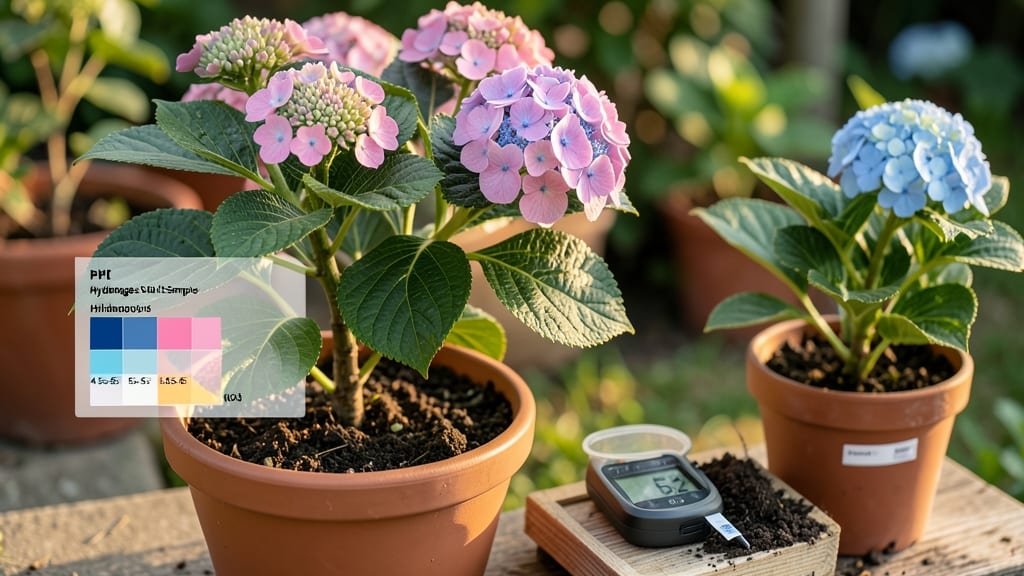
Hydrangea color shifts from blue to pink due to soil pH changes—acidic soil (pH 5.0–5.5) produces blue blooms, while alkaline soil (pH 6.0–7.0) yields pink. Test soil, amend with sulfur or lime, and monitor for consistent results.
Soil pH isn't just about hydrangea color—it's the hidden control knob for their pigment chemistry. 🌸 The blue hues you love come from anthocyanins reacting with aluminum in acidic soil, while pink blooms appear when the soil's higher pH blocks that reaction.
I've seen gardeners transform their hydrangeas from pastel pink to vibrant blue simply by adjusting their soil's acidity levels. The key is patience—changes take time, and you'll need to test your soil regularly to maintain the perfect balance.
Most garden centers sell affordable pH test kits that give you precise numbers, so you know exactly how much sulfur or lime to add. For a natural approach, pine needles or coffee grounds can lower pH gradually, while crushed eggshells or wood ash raise it.
The magic happens when you combine testing with these amendments—think of it like fine-tuning your hydrangea's color palette season after season.
💡 In This Article
- How Soil pH Affects Hydrangea Flower Pigments
- Step-by-Step Guide to Adjusting Soil pH for Hydrangeas
How soil pH affects hydrangea flower pigments
The vibrant colors of hydrangea blooms are controlled by anthocyanin pigments, which are highly sensitive to soil chemistry. In acidic conditions (pH 5.5), aluminum becomes more available in the soil, and hydrangeas absorb it through their roots.
This aluminum binds to the anthocyanin pigments, stabilizing the blue color. Think of it like adding a blue dye to water—without aluminum, the pigments would fade or shift toward pink. 🔥
When soil pH rises above 6.0, aluminum becomes less soluble and harder for the plant to uptake. Without this chemical interaction, the anthocyanins default to their natural pink or purple hues.
The transition zone between 5.5 and 6.5 is where you'll see the most dramatic color shifts—sometimes even within the same cluster of blooms! For example, a hydrangea with half blue and half pink flowers likely has inconsistent soil pH in its root zone.
Temperature and moisture also play subtle roles in pigment stability. Cooler spring weather can enhance blue hues by slowing plant metabolism, while hotter summers might intensify pink tones. This is why hydrangeas often look more vibrant in morning sunlight when temperatures are cooler.
The pH effect isn't instantaneous—it takes 6-12 months for full color changes to appear after soil amendments, as the plant needs time to adjust its internal chemistry.
Not all hydrangea varieties respond equally to pH changes. 'Nikko Blue' and 'Endless Summer' are famous for their dramatic blue-to-pink shifts, while 'Annabelle' (white) and 'Limelight' (green) remain color-stable regardless of soil conditions.
The key is selecting varieties that match your desired color outcome and soil type. For instance, if you have naturally alkaline soil, choose pink-flowering cultivars to avoid disappointment.
Here's what's happening at the molecular level: Anthocyanins exist in multiple forms (flavylium, quinoidal, carbinol) that shift based on pH. In acidic soil, the flavylium form dominates, creating blue tones. As pH rises, the molecule rearranges into the quinoidal form, producing pink.
This chemical equilibrium is why hydrangea colors can appear muted in transitional seasons—the pigments are literally "deciding" which form to take based on the soil environment. 💫
One common misconception is that blue hydrangeas need "acid-loving" soil like blueberries. While both prefer acidic conditions, hydrangeas actually tolerate a wider pH range (4.5-7.0) than most acid-lovers.
The difference lies in their aluminum tolerance—hydrangeas can handle higher aluminum levels than, say, azaleas, which is why they're more forgiving when it comes to pH adjustments.