
How To
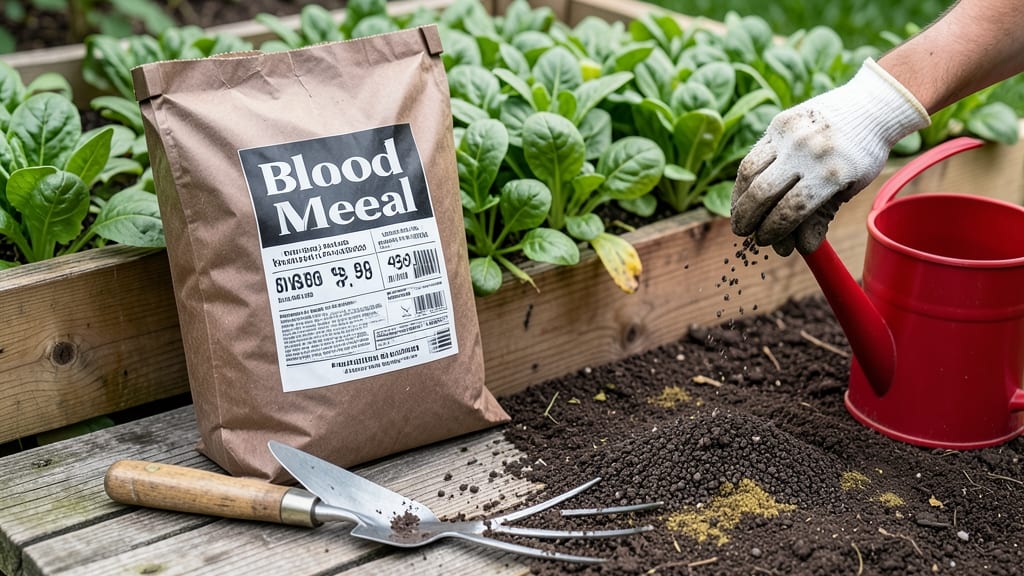
When your plants look pale and leggy, adding nitrogen to soil quickly is the fastest way to turn them green again. 🌱 I’ve saved countless wilting lettuce and spinach batches by using a fast-acting fix—whether it’s manure tea, blood meal, or even a diluted urea solution.
The key is choosing the right method for your plants and applying it correctly to avoid burning roots. Most gardeners grab the wrong fix: slow-release compost or aged manure, which take weeks to work.
Instead, I reach for instant nitrogen sources like coffee grounds (for light needs) or a quick-dissolve fertilizer for heavy feeders. You’ll see new growth within 3-7 days if applied right—no waiting months for soil microbes to wake up. The telltale sign you need nitrogen?
Yellowing leaves starting at the bottom while new growth stays pale. Once you spot this, act fast: spread your chosen amendment, water it in, and watch your plants perk up. Just don’t overdo it—too much nitrogen means soft, weak stems that flop in the first breeze.
Works for vegetables, lawns, and even houseplants (yes, they need nitrogen too!). The trick is matching the method to your plants’ needs—leafy greens love a light boost, while heavy feeders like corn need stronger doses. Let’s get those leaves lush again!
📚 In This Guide
- What you need
- Instructions
- Tips and common mistakes
- Wrapping up and next steps
What you need
- ● Organic Options: Fresh alfalfa hay or clover (1–2 inches thick layer, chopped or whole)
- ● Blood meal (1–2 cups per 10 sq ft; high-nitrogen, use sparingly)
- ● Fish emulsion (1–2 tbsp per gallon of water for foliar spray or soil drench)
- ● Composted manure (chicken, cow, or horse; aged to avoid burning plants; 1–2 inches mixed into topsoil)
- ● Green manure crops (e.g., mustard greens, buckwheat, or rye; grow for 4–6 weeks before tilling)
- ● Synthetic Options (Fast-Acting): Urea (46-0-0 fertilizer; 1–2 tbsp per sq ft; water immediately after applying)
- ● Ammonium sulfate (21-0-0; 1–1.5 tbsp per sq ft)
- ● Sodium nitrate (15.5-0-0; 1 tbsp per sq ft)
- ● Tools & Extras: Garden gloves (to protect your hands from manure/fertilizers)
- ● Garden fork or trowel (for mixing into soil)
- ● Watering can or hose (for activating organic fixes or dissolving synthetics)
- ○ pH test kit (optional but helpful—nitrogen works best in slightly acidic to neutral soil (6.0–7.0))
- ● Mulch (straw, grass clippings, or leaves; 1–2 inches to retain moisture and nitrogen)
- ● Test your soil first! If it’s already high in nitrogen (e.g., from recent manure), skip synthetic fixes to avoid overloading.
- ● Blood meal and urea are fastest but can burn plants—always water them in thoroughly.
- ● For long-term nitrogen, plant a cover crop (like peas or vetch) and till it under before it flowers.
- ● Compost tea (brewed from compost) is a gentle way to add nitrogen—steep 1 part compost in 3 parts water for 24–48 hours.
Step-by-Step guide to boosting soil nitrogen fast
Here’s the method I swear by when plants need a nitrogen kick—no waiting weeks for compost to work.
🌱 Step 1: Choose Your Fastest Nitrogen Source
For immediate results, I reach for blood meal or alfalfa meal—both release nitrogen within days. Blood meal delivers a 4-6% nitrogen punch right away, while alfalfa meal adds organic matter too. If you’re in a hurry, cottonseed meal (8% nitrogen) is my top pick for leafy greens and fast-growing crops.
Spread ½ pound per 100 square feet of garden bed. Work it into the top 2-3 inches of soil with a rake or hoe. This ensures roots can access it quickly without washing away. Water lightly after spreading to help it settle and start working.
💧 Step 2: Apply Liquid Nitrogen for Instant Uptake
For a same-day boost, mix 1 tablespoon of fish emulsion (5-2-2 NPK) with 1 gallon of water. This liquid nitrogen feeds plants within hours. Stir well and pour directly onto the soil around the base of your plants—avoid leaves to prevent burning.
I like to apply this in the early morning so roots have time to absorb it before the heat of the day. Reapply every 7-10 days for continuous growth. If you see yellowing leaves, that’s your signal to repeat—your plants are hungry for more nitrogen.
☀️ Step 3: Use Cover Crops for Long-Term Fast Fixes
If you can spare a few weeks, clover or buckwheat grow aggressively and fix nitrogen in the soil. Plant seeds in late spring or early summer—these cover crops double soil nitrogen in 4-6 weeks. Mow them down when they flower and let the chopped material sit on the soil as a natural mulch.
This method is slower but builds soil health long-term. I use it between plantings to keep nitrogen levels high without synthetic shortcuts. Just be sure to water regularly—dry cover crops won’t fix nitrogen effectively.
✂️ Step 4: Monitor and Adjust for Best Results
Check your plants 3-5 days after applying nitrogen. Healthy growth means dark green leaves and rapid new foliage. If leaves stay pale or growth slows, repeat the liquid feed or add more blood meal. Overdoing it? You’ll see leaf burn or excessive leafy growth with weak stems—cut back if this happens.
For container gardens, reduce amounts by half—smaller root zones can’t handle as much nitrogen at once. Always water after applying to help roots absorb what they need without shock.
Tips & tricks for boosting soil nitrogen fast
Here's what I've learned from years of experimenting with quick nitrogen fixes—these tricks make all the difference when your plants are starving for green growth.
Timing Secret: The early morning application of liquid nitrogen (Step 2) is crucial because cooler temperatures help prevent leaf burn. I've found that applying between 6-8 AM gives roots the full day to absorb nutrients without the stress of afternoon heat. Water immediately after application to help the nitrogen penetrate the soil faster—this is especially important in sandy soils where nutrients can wash away quickly.
Soil Depth Matters: When working blood meal or alfalfa meal into the top 2-3 inches of soil (Step 1), focus on the root zone where most nitrogen uptake happens. For container gardens, I reduce the amount by half but still work it into the top 1-2 inches since root zones are more compact. The key is getting it close enough to roots but not so deep that plants can't access it.
Monitoring Growth: That 3-5 day check (Step 4) is your best indicator of whether the nitrogen is working. Look for new leaf growth and vibrant color—these are signs your plants are happy. If you see yellowing between veins, that's classic nitrogen deficiency, and it's time to repeat the liquid feed. Too much nitrogen? You'll notice weak stems and excessive leafy growth with sparse flowers or fruit.
Cover Crop Strategy: For the cover crops (Step 3), I plant clover in early spring and buckwheat in late summer. Both grow aggressively but require different care—clover needs consistent moisture while buckwheat thrives in drier conditions. Mow them down when they start flowering to maximize nitrogen fixation before they go to seed.
Pro Tips for Add Nitrogen To Soil Quickly
- Here's what I've learned from years of experimenting with quick nitrogen fixes—these tricks make all the difference when your plants are starving for green growth.
- Timing Secret: The early morning application of liquid nitrogen (Step 2) is crucial because cooler temperatures help prevent leaf burn.
- Soil Depth Matters: When working blood meal or alfalfa meal into the top 2-3 inches of soil (Step 1), focus on the root zone where most nitrogen uptake happens.
Frequently asked questions
Got questions about boosting your soil’s nitrogen levels fast? You’re not alone! Here are answers to the most common queries to help you grow lush, leafy plants without the guesswork.
What’s the fastest way to add nitrogen to soil?
For immediate results, use blood meal or fish emulsion—they dissolve quickly and feed plants within days. Cover crops like clover or alfalfa take 4–6 weeks but enrich soil long-term. Mix in composted manure (chicken or cow) for a balanced, slow-release boost.
How long does it take to see results after adding nitrogen?
Fast-acting sources (like blood meal or synthetic nitrates) show effects in 3–7 days—new leaves sprout faster, and existing ones darken. Organic options (e.g., manure tea) take 2–4 weeks to work. Monitor plant color: dark green = happy; yellow = overdo it!
Can I overdo nitrogen? What are the signs?
Yes! Too much nitrogen causes leafy growth at the expense of flowers/fruit, weak stems (prone to falling), and burnt edges on leaves. Fix it by flushing soil with water, reducing feed, and adding balanced fertilizer (like 10-10-10). Let plants recover in partial shade temporarily.
Are there cheap or free ways to add nitrogen?
- Free: Grow a cover crop (e.g., peas, vetch) and till it into the soil before planting.
- Low-cost: Use grass clippings (let them dry 1–2 days first to avoid matting) or coffee grounds (mix into soil sparingly).
- DIY: Brew manure tea (soak manure in water for 24–48 hours, strain, and dilute 1:10 with water).
Does rain wash away nitrogen fast? How to protect it?
Rain can leach nitrogen, especially from synthetic fertilizers or liquid amendments. Protect it by:
- Applying nitrogen after rain (soil can absorb it better).
- Using slow-release options (e.g., compost, organic pellets).
- Mulching heavily to lock in moisture and nutrients.
Can I add nitrogen to soil in winter?
Yes, but timing matters! Use fall-applied compost or cover crops (like winter rye) to break down over winter and release nitrogen in spring. Avoid fast-acting fertilizers in freezing temps—they can burn roots or leach away. Snow melt is a great natural trigger for winter-applied organic matter!
Wrapping up and next steps
Adding nitrogen to your soil doesn’t have to be a slow process—with the right techniques, you can give your plants the boost they need fast! Whether you’re using organic options like coffee grounds, legume cover crops, or quick-acting fertilizers, the key is consistency and patience.
Start small, monitor your plants’ progress, and adjust as needed.
Ready to see those lush, green leaves? Take action today! Try one of these methods this week and watch your garden thrive. Happy growing! 🌱✨