
Light Requirements
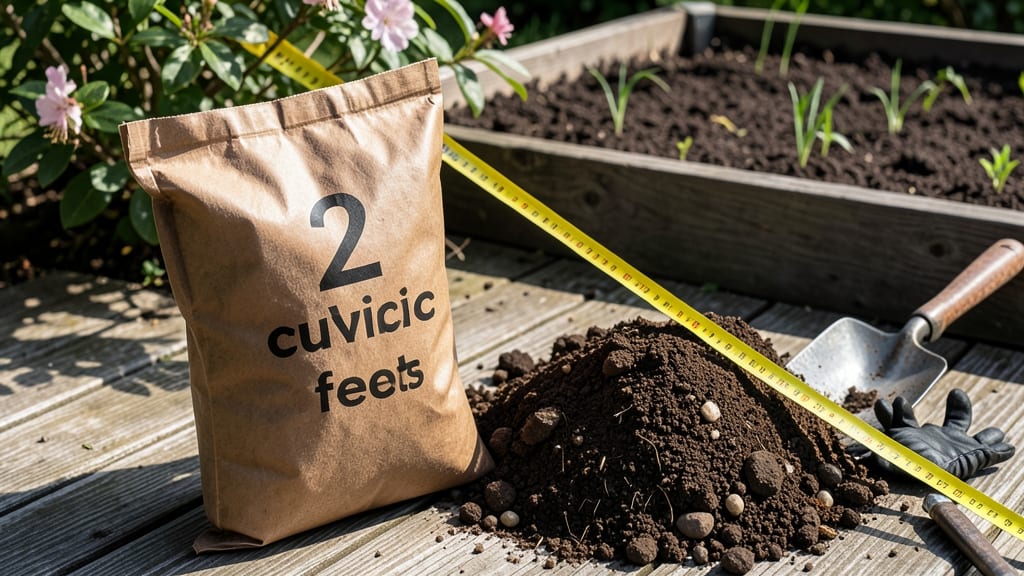
A standard bag of topsoil usually contains between 2 to 4 cubic feet of material, with weights varying from 30 to 60 pounds based on the soil composition and moisture levels.
A bag of topsoil's volume and weight depend heavily on its composition—peat moss mixes are significantly lighter than clay-heavy blends, which can weigh nearly double for the same cubic feet. 🌱 For example, a 40-pound bag of peat-based soil might expand to 4 cubic feet when loosened, while a loamy mix could only yield 2.5 cubic feet due to denser particles.
This variation is why gardeners should always check both the cubic feet and weight labels before purchasing.
Understanding these differences helps you avoid running out mid-project. A 3 cubic foot bag typically covers about 1 square foot at 3 inches deep, making it ideal for small patches or container gardens.
For larger areas like raised beds, you'll want to calculate your total cubic feet needs first—most projects require 1 cubic foot per square foot per inch of depth.
💡 In This Article
- Topsoil Bag Sizes Explained: Cubic Feet vs Weight Variations
- Choosing Topsoil Bags for Your Garden Project
Topsoil bag sizes explained: cubic feet vs weight variations
The weight of topsoil bags isn't just about volume—it's a science of density. Soil density depends on three key factors: moisture content, particle size distribution, and organic matter percentage.
Peat-based mixes, for example, have high organic content (up to 80% in pure peat moss), which makes them 30-40% lighter than mineral-heavy garden soils.
A 4 cubic foot bag of peat moss might weigh just 25 pounds, while the same volume of loamy soil could hit 45 pounds due to its higher mineral content and moisture retention.
Particle size plays a huge role too. Clay particles are microscopic and pack tightly, increasing density, while sandy soils have larger particles that create air pockets.
This is why sandy loam (common in commercial bags) often weighs 10-15 pounds per cubic foot, while clay-heavy mixes can exceed 18 pounds per cubic foot.
Moisture adds another layer—wet soil can weigh 20% more than dry soil for the same volume, which is why bag weights fluctuate between brands even for identical cubic feet measurements.
Here's where things get tricky: bag manufacturers often measure volume when the soil is loosely packed in the bag, but real-world use involves compaction.
For instance, a 40-pound bag labeled as 3 cubic feet might only yield 2.5 cubic feet once you start spreading it—about a 17% reduction in volume.
This compaction effect is why gardeners should always buy 10-15% more cubic feet than their project requires, especially for raised beds where soil settles over time.
Let's compare three common soil types to see the real-world differences:
- Peat Moss Blends: 2-3 cubic feet per 40-pound bag (lightweight, fluffy, high organic matter)
- Loamy Garden Soil: 2.5-3.5 cubic feet per 40-pound bag (balanced texture, moderate weight)
- Clay-Enriched Soil: 2-2.5 cubic feet per 40-pound bag (heavier, denser, better for heavy plants)
The science behind these variations explains why you might see 40-pound bags advertised as 4 cubic feet in one store and 3 cubic feet in another—they're using different soil compositions.
For precision projects like vegetable gardens, I recommend checking both the weight and cubic feet labels, and when in doubt, opt for the heavier bag to ensure you have enough coverage.
One final pro tip: If you're working with container gardening, peat-based mixes are your best friend—they're lighter to carry and provide excellent drainage. For lawn topdressing, however, you'll want the heavier loamy blends that compact well and provide stable root support. 🌱