
Light Requirements
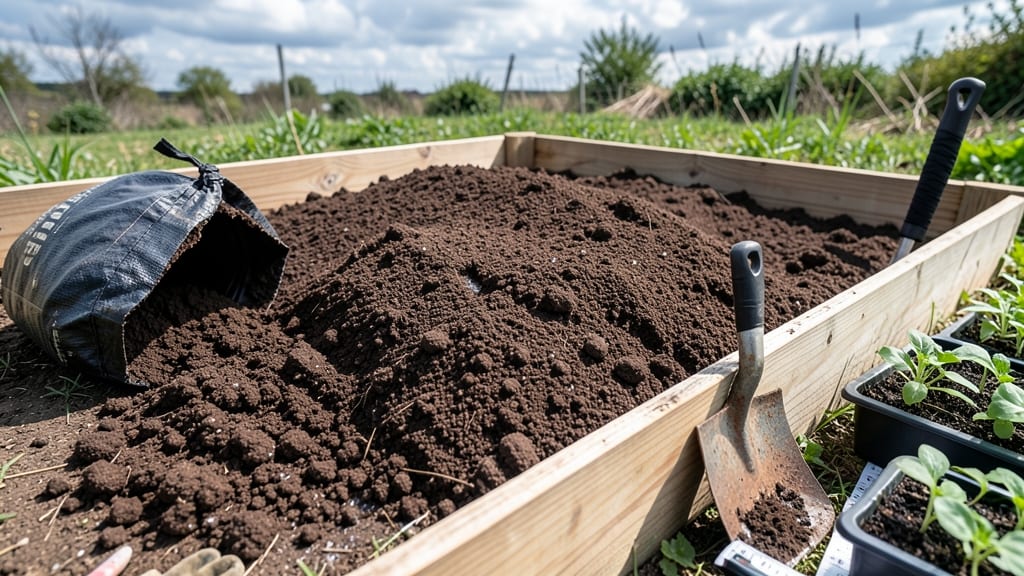
To determine how much soil for a garden bed, calculate cubic feet by multiplying length × width × depth (in feet), then convert to cubic yards (27 cubic feet = 1 yard³). A 4x8-foot bed with 6-inch soil depth requires about 1.3 cubic yards.
Figuring out how much soil you need starts with understanding your garden's dimensions and what your plants require. 🌱 The depth matters just as much as the surface area—shallow-rooted plants like lettuce need only 6-12 inches, while deeper-rooted vegetables such as tomatoes thrive with 18-24 inches.
This means a 4x8-foot bed with 6-inch soil works for herbs but might be too shallow for perennials. Always check your specific plants' needs before calculating, as over- or under-filling can lead to poor drainage or wasted soil.
For accurate measurements, convert all dimensions to feet first—this avoids confusion when working with cubic yards. A quick trick is to use the formula (length × width × depth)/27 to get cubic yards directly.
For example, a 5x10-foot bed with 12-inch soil depth needs about 2.8 cubic yards. Online calculators can simplify this, but knowing the math helps you adjust for odd-shaped beds or partial bags of soil.
💡 In This Article
- Garden Bed Soil Depth Requirements by Plant Type
- Soil Volume Calculator: Step-by-Step for Any Garden Size
Garden bed soil depth requirements by plant type
Soil depth isn't just about filling space—it directly impacts root growth, drainage, and nutrient availability.
Shallow-rooted plants like lettuce, spinach, and herbs (such as basil or chives) thrive in just 6-12 inches of soil, while deeper-rooted vegetables like tomatoes, carrots, or potatoes need 18-24 inches to support their full growth potential. The reason? Roots need room to anchor and access moisture and nutrients.
For example, a tomato plant’s root system can spread 2-3 feet wide and grow 18-24 inches deep, so shallow soil would stunt its development.
Perennials and shrubs have even more demanding requirements. Lavender, for instance, needs 12-18 inches of well-draining soil to prevent rot, while fruit trees require 24-36 inches of depth to establish strong root systems.
The science here involves aeration—deeper soil allows roots to breathe and expand without competing for space. 🌿 In contrast, shallow-rooted plants like strawberries or radishes can handle 6-12 inches because their roots don’t need to penetrate as deeply.
Always check your plant’s mature size and root type before calculating soil volume.
Drainage is another critical factor tied to depth. A 6-inch layer of soil may work for annuals but can lead to waterlogging for deeper-rooted plants, causing root rot. The ideal depth ensures excess water drains away while retaining enough moisture for roots.
For example, a 12-inch soil bed balances drainage and moisture retention better than a 6-inch layer for most vegetables. If you’re unsure, err on the side of deeper soil—it’s easier to amend later than to dig deeper.
Consider the texture and composition of your soil too. Sandy soil drains quickly but holds fewer nutrients, while clay soil retains moisture but can become compacted. Amending with compost or organic matter improves both drainage and nutrient retention, especially in shallower beds.
For instance, a 6-inch bed of pure sand would need frequent watering and fertilizing, whereas a 12-inch bed with compost would support healthier growth with less maintenance.
For mixed beds, prioritize the deepest-rooted plants to determine soil depth. If you’re planting tomatoes alongside lettuce, aim for 18-24 inches to accommodate both. This ensures all plants get the space they need without overfilling the bed.
Over-deepening soil can waste resources and create unnecessary work, while under-deepening risks poor plant health. 🌱 Always measure twice and dig once—it saves time and effort in the long run.