
Light Requirements
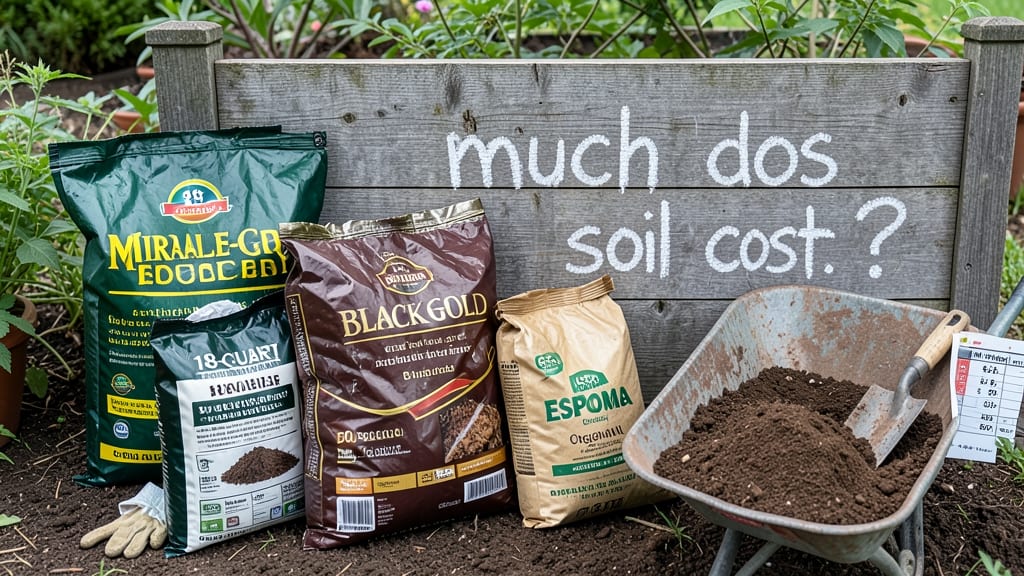
Soil prices vary widely depending on type and quantity, with garden soil costing between $1 and $10 per cubic foot, potting mix ranging from $3 to $8, and specialty soils like compost or cactus blends priced from $5 to $20. Buying in bulk can dramatically cut per-unit costs.
Understanding soil pricing helps you budget for gardening projects without overspending. 🌱 The cost differences come from ingredients—organic compost raises prices, while inorganic fillers like sand keep costs low.
For example, a 50-pound bag of basic garden soil might cost $3-$5, but premium mixes with worm castings or coconut coir can exceed $10. Regional availability also plays a role: urban areas often charge more for delivery than rural suppliers.
Bulk purchases offer the best value, especially when buying loose soil by the cubic yard. Many garden centers provide 10-20% discounts for quantities over 10 cubic feet, and some even offer free delivery on large orders.
If you're working with limited space, consider mixing your own soil—DIY blends using compost, peat moss, and perlite can cut costs by up to 50% while tailoring the mix to your plants' needs.
💡 In This Article
- Factors Influencing Soil Pricing by Type
- Cost-Saving Tips for Buying Soil in Bulk
Factors influencing soil pricing by type
The price of soil isn't random—it's directly tied to what's inside the bag. Organic components like composted manure, worm castings, or peat moss cost more to source and process, which is why premium mixes with these ingredients can reach $15-$20 per cubic foot.
For comparison, basic garden soil made from 70% sand and 30% clay runs about $1-$3 per cubic foot because these inorganic materials are abundant and require minimal processing.
Nutrient density also drives costs. A bag labeled "all-purpose potting mix" typically contains 20-30% compost by volume, costing $4-$7 per cubic foot.
But specialty soils—like those designed for orchids or cacti—include 50-70% organic matter (such as coconut coir or perlite) to improve aeration, pushing prices to $8-$20 per cubic foot. The processing matters too: sterilized soil undergoes heat treatment to kill pathogens, adding $1-$3 per cubic foot to production costs.
Regional availability creates another pricing layer. Urban garden centers often charge 20-30% more for delivered soil than rural suppliers due to transportation costs. For example, a 1 cubic yard (27 cubic feet) of topsoil might cost $30-$50 in a city but only $15-$25 at a farm supply store outside town.
Seasonal demand spikes in spring and summer can also inflate prices by 10-15%, while winter sales may offer discounts of 10-20%.
Texture plays a surprising role too. Fine, silt-rich soils (like those used for seed starting) require more energy to process and screen, making them 15-25% pricier than coarse, gravelly mixes.
The sensory difference? Fine soil feels like talcum powder, while coarse mixes resemble crushed stone—both require different machinery to produce, affecting cost.
Don't overlook packaging either. 50-pound bags of soil cost more per cubic foot than loose soil because they include plastic, labor for bagging, and shelf space. A 50-pound bag of potting mix might cost $4-$6, but buying the same volume loose could save you $1-$2 per cubic foot.
The trade-off? Loose soil needs proper storage to prevent compaction or contamination.
Finally, certification matters. Organic-certified soils undergo stricter testing and documentation, adding $2-$5 per cubic foot to the price. If sustainability is your goal, these premium blends ensure no synthetic fertilizers or pesticides were used—but they won't necessarily outperform conventional mixes for your plants.