
Light Requirements
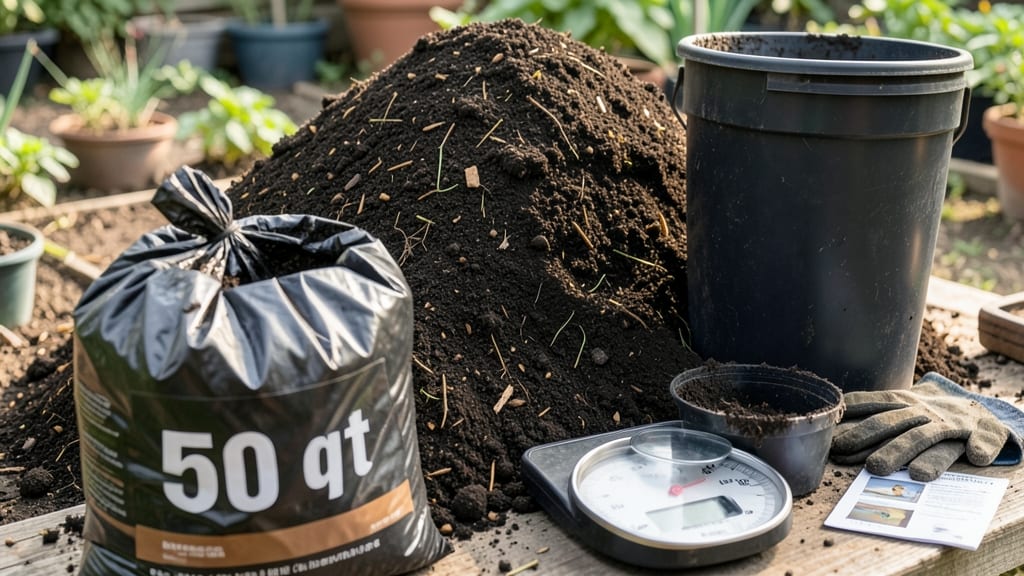
When calculating how much 50 quarts of potting soil weigh, dry mixes typically measure 45 to 55 pounds, while moisture-heavy or organic-rich blends can reach 50 to 65 pounds depending on water retention and additives.
Understanding potting soil weight helps with everything from bag selection to container capacity planning. 🌱 The difference between dry and wet weight comes down to moisture content—water alone can add 10-20 pounds to the total weight of 50 quarts.
For example, peat-heavy mixes absorb more water than perlite-based blends, creating noticeable weight variations even within the same volume. I always recommend checking the specific mix's moisture retention rating before purchasing, especially for large garden projects where weight affects transport logistics.
Most garden centers use 1 cubic foot ≈ 20-25 pounds as a general guideline for dry mixes, but real-world weights vary. 💫 If you're DIY-ing soil blends, account for 30-40% weight increase when adding compost or coconut coir—these organic amendments hold significantly more water than inorganic materials.
Pro tip: Weigh a sample bag first to calculate your project's exact needs before buying in bulk.
💡 In This Article
- Factors Affecting Potting Soil Weight Variations
- Practical Weight Estimates by Soil Type for Gardeners
Factors affecting potting soil weight variations
Potting soil weight isn't just about volume—it's a complex interplay of moisture content and composition. Dry soil primarily consists of organic matter (like peat moss or compost) and inorganic materials (perlite, vermiculite, or sand). Organic components typically account for 50-70% of the mix, while inorganic materials make up the rest.
The organic fraction can absorb 2-3 times its dry weight in water, which explains why wet soil feels significantly heavier than dry soil even in the same container.
Let's break down the key components: peat moss, for instance, has a dry density of about 0.2-0.3 pounds per quart but can swell to hold 0.6-0.9 pounds per quart when saturated. Coco coir follows a similar pattern, absorbing 30-40% more water by weight than its dry state.
Perlite, on the other hand, remains lightweight (0.1-0.2 pounds per quart dry) because it's mostly air-filled volcanic glass that doesn't retain moisture.
This is why a 50-quart bag of cactus soil (perlite-heavy) might weigh 30-35 pounds dry, while a seed-starting mix (peat/compost-based) could hit 50-55 pounds dry before any water is added.
The packing density during bagging also plays a role. Most commercial bags are compressed to 25-30% of their loose volume, which increases weight by 10-15% compared to fluffed soil.
For example, a 1 cubic foot (≈28 quarts) of loose, dry potting mix might weigh 15-18 pounds, but when compressed into bags, that same volume jumps to 18-22 pounds.
This compression effect becomes especially noticeable when transporting bulk soil—what seems like a manageable 50-quart bag might actually weigh closer to 55-60 pounds when packed tightly.
Brand formulations add another layer of variation. Premium mixes designed for moisture retention (like those for ferns or orchids) may include hydrogel crystals that can absorb 500 times their weight in water.
A 50-quart bag of such a mix could start at 48 pounds dry but swell to 60+ pounds when fully hydrated. Conversely, mineral-heavy mixes (like those for succulents) might only weigh 40-45 pounds dry due to their higher sand/perlite content.
Always check the label for moisture retention percentages—this tells you how much the weight will increase once water is added.
Temperature and humidity during storage also affect perceived weight. Soil stored in a damp basement will naturally absorb moisture from the air, adding 5-10% to its weight over time. In contrast, soil kept in a dry garage might lose moisture and shrink slightly.
For accurate weight calculations, measure your soil in the same conditions you'll use it—typically after a light watering but before it becomes soggy. This field capacity state gives you the most reliable baseline for weight estimates.
Here's a quick comparison table for common soil types (dry weight per 50 quarts):
- All-purpose mix: 45-50 pounds (peat/compost base)
- Seed-starting blend: 50-55 pounds (higher organic content)
- Cactus/succulent mix: 35-40 pounds (perlite/sand dominant)
- Orchid/fern mix: 50-60 pounds (hydrogel/peat rich)
Understanding these factors helps you plan for transport—whether you're moving soil to a raised bed or calculating shipping costs. The key takeaway? Always account for a 20-30% weight increase when water is involved, and verify with your specific mix's moisture retention specs. 💫