
Tools
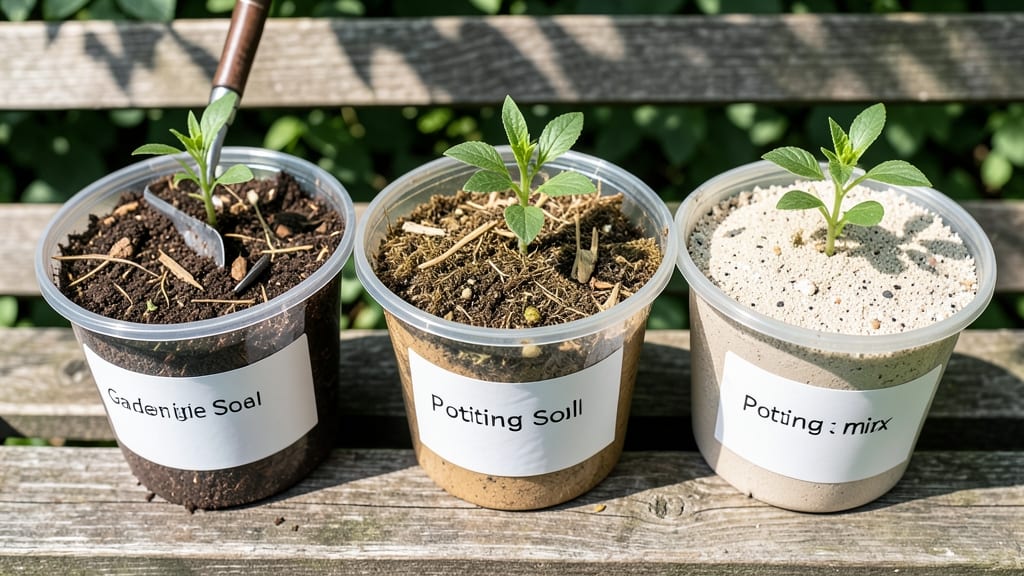
Confession: I bought the wrong soil for years—until my tomatoes wilted like sad lettuce and my herbs bolted before they even sprouted. 🌱 The difference between garden soil, potting soil, and potting mix isn't just labels; it's the secret to whether your plants thrive or just survive.
One's too dense for containers, another drains like a sieve, and the third might contain enough fertilizer to kill your houseplants in a week. Garden soil is what you dig up from your yard or buy in bulk—heavy, nutrient-rich, and perfect for in-ground planting.
It holds moisture like a sponge but can suffocate roots in containers. Potting soil is basically garden soil with added amendments (like peat moss or compost) to improve drainage, but it still breaks down fast and may contain weeds or pathogens.
Then there's potting mix, the lightweight, sterile superhero designed for containers, with perlite, vermiculite, and coconut coir to keep roots happy. Your basil will grow lush and fragrant in potting mix but drown in garden soil, while your tomatoes need garden soil's depth and nutrients to produce heavy fruit.
The right choice depends on where you're planting—and whether you want plants that just live or ones that explode with growth. Let's break down the exact differences so you never guess again.
Here's the game-changer: potting mix is the only option for seed starting or delicate houseplants, thanks to its sterile, airy texture that prevents damping-off disease. Garden soil, meanwhile, is the backbone of veggie gardens and perennials, offering the structure and organic matter they crave.
Potting soil falls somewhere in between—great for temporary containers or garden beds where you need a quick nutrient boost without the weight of native soil. Think of it this way: if your plant lives in the ground, use garden soil. If it's in a pot, use potting mix.
And if you're just filling a raised bed or need a temporary fix, potting soil will do the job—though it won't last as long as the other two. The key is matching the soil's properties to your plant's needs, not just grabbing whatever's on sale.
The first product explained
Meet Miracle-Gro Performance Organics All Purpose Garden Soil—your ultimate go-to for heavy-duty planting! 🌱✨ This premium blend is designed to give your plants the nutrient-rich foundation they crave, whether you're tackling a sprawling backyard garden or a cozy raised bed. Let’s break down why this product stands out.
📏 Specs & Features
Dive into the details that make this soil a game-changer:
- Organic Composition: 100% organic matter, including composted plant materials, earthworm castings, and natural fertilizers. No synthetic chemicals here—just pure plant power!
- Nutrient Boost: Packed with essential nutrients like nitrogen, phosphorus, and potassium to support robust root growth and vibrant foliage.
- Moisture Retention: The blend includes coconut coir and peat moss to help retain moisture, reducing the need for frequent watering.
- pH Balanced: Designed to be slightly acidic to neutral (pH 6.0–7.0), ideal for most vegetables, flowers, and shrubs.
- Weed & Pest Control: Contains natural ingredients to deter weeds and pests, so you can focus on nurturing your plants, not battling invaders.
- Coverage: A 18-lb bag covers approximately 1 cubic foot, perfect for filling raised beds, in-ground gardens, or large containers.
🎯 Who’s It For?
This soil is a versatile powerhouse, making it perfect for:
- 🌿 Home Gardeners: Ideal for planting vegetables, herbs, flowers, and shrubs in your backyard or raised beds.
- 🏡 DIY Enthusiasts: Great for filling new garden beds, repairing depleted soil, or creating a nutrient-rich base for lawns.
- 🌱 Organic Gardeners: Since it’s free from synthetic chemicals, it aligns perfectly with organic gardening practices.
- 🏗️ Landscapers & Contractors: A reliable choice for larger projects where consistency and nutrient density are key.
💰 Price Point & Value
Priced at around $12–$15 per 18-lb bag (depending on retailer and location), this soil offers exceptional value. While it may be slightly more expensive than generic garden soil, the organic nutrients and long-term benefits make it a worthwhile investment for serious gardeners.
Plus, one bag goes a long way, stretching your budget further!
Pro Tip: 💡 For even better results, mix this soil with a handful of compost or worm castings before planting—your plants will thank you with lush, healthy growth!
The second product explained
Meet Miracle-Gro Indoor Potting Mix—the go-to choice for indoor gardeners and plant parents who want fast, fuss-free growth! 🌱✨ This premium potting mix is engineered to deliver nutrient-rich performance right out of the bag, making it perfect for herbs, houseplants, and container gardens. Whether you're a beginner or a seasoned pro, this mix simplifies plant care while maximizing results.
📏 Specs & Features
Designed with balanced nutrition and aeration, this potting mix includes:
- Slow-release fertilizer: Feeds plants for up to 6 months, reducing the need for frequent fertilizing.
- Moisture control: Helps prevent overwatering or drought stress with optimal water retention.
- Lightweight & fluffy texture: Perfect for container gardening and prevents compaction.
- pH-balanced formula: Supports healthy root development and nutrient uptake.
- Sterilized & weed-free: Eliminates pests and diseases for a clean growing environment.
🎯 Who’s It For?
This potting mix is ideal for:
- Indoor gardeners: Herbs, succulents, and houseplants (like pothos or snake plants) thrive in its nutrient-dense formula.
- Beginner plant parents: No guesswork—just plug-and-grow ease with built-in nutrients.
- Container gardeners: Great for balconies, patios, and window sills where space is limited.
- Seed starters: Provides the gentle, supportive environment seedlings need to sprout and grow.
💰 Price & Value
Priced at $6.99–$9.99 per 8-quart bag (depending on retailer), this mix offers exceptional value. While it’s slightly more expensive than basic potting soil, the long-lasting nutrients and convenience make it a cost-effective choice for serious plant lovers. Pro tip: ✨ Buy in bulk for larger setups—it’s cheaper per quart!
💡 Why It Stands Out
Unlike generic potting soil, Miracle-Gro Indoor Potting Mix is specifically formulated for indoor plants, with higher nutrient density and better moisture control. It’s also lighter than garden soil, preventing root suffocation in containers. For those who want low-maintenance, high-reward gardening, this is the mix to beat!
Head-to-head comparison
🌱 Performance: Which Soil Wins for Your Plants?
When it comes to how well your plants thrive, each soil type has its strengths—and weaknesses. Let’s break it down:
- Garden Soil: 🌿 Best for in-ground planting. It’s rich in organic matter, supports deep root growth, and provides natural drainage. However, it can be heavy, compact, and may contain weeds, pests, or diseases if not sterilized. Ideal for perennials, shrubs, and trees.
- Potting Soil: 🏺 Versatile but inconsistent. Often a blend of garden soil, compost, and amendments, it’s lighter than garden soil but can still retain too much moisture or lack aeration. Works for containers but may need adjustments (like perlite or sand) for optimal drainage.
- Potting Mix: 🌱 The MVP for containers. Specifically formulated to be sterile, lightweight, and well-draining, it’s designed to prevent compaction and root rot. Perfect for seedlings, herbs, and houseplants where aeration and moisture control are critical.
💡 Pro Tip: If you’re using garden soil in pots, mix it 50/50 with perlite or coconut coir to improve drainage and aeration—your plants will thank you!
🔧 Features: What’s in the Bag?
Not all soil is created equal! Here’s what you’re getting with each type:
| Feature | Garden Soil | Potting Soil | Potting Mix |
|---|---|---|---|
| Composition | Natural topsoil (clay, silt, sand, organic matter) | Mixed with compost, peat, or bark | Sterilized blend of peat, perlite, vermiculite, and compost |
| Drainage | Moderate (can compact over time) | Variable (often improved but not guaranteed) | Excellent (designed for airflow and moisture control) |
| Nutrient Level | High (natural decomposition) | Moderate (depends on additives) | Low (intended for short-term use; fertilize separately) |
| Sterility | Unsterile (may contain weeds/seeds) | Usually unsterile (unless specified) | Sterile (safe for seedlings and sensitive plants) |
| Weight | Heavy (hard to move) | Moderate (easier to handle) | Lightweight (ideal for frequent repotting) |
✨ Bonus: Potting mixes often include mycorrhizal fungi or slow-release fertilizers, giving your plants a head start!
$ Price: Where’s the Best Bang for Your Buck?
Your wallet will notice the difference—here’s how these soils stack up:
- Garden Soil: 💰 Free to cheap. Dig it from your yard (if it’s quality soil) or buy bags for $3–$10 per cubic foot. The most budget-friendly option, but quality varies wildly.
- Potting Soil: 💵 $5–$15 per cubic foot. Pricier than garden soil but often worth it for containers. Look for sales—bulk bags save money!
- Potting Mix: 💎 $8–$20+ per cubic foot. The premium choice, especially for specialty mixes (like cactus or orchid blends). Splurge if you’re serious about plant health!
🎯 Money-Saving Hack: Reuse potting mix for non-pickier plants (like succulents) by adding fresh compost. Just avoid diseases—when in doubt, toss it!
🏗️ Durability: How Long Will It Last?
Soil isn’t forever—here’s how long each type keeps its perks:
- Garden Soil: ⏳ Indefinite (but degrades). In the ground, it improves over time with organic matter. In pots, it compacts and loses structure within 1–2 years.
- Potting Soil: ⏰ 1–3 years in containers. Breaks down faster than garden soil but lasts longer than potting mix. Refresh with compost annually.
- Potting Mix: ⏳ 6–12 months (short-term use). Designed to be replaced often—it’s lightweight and nutrient-poor after a season. Ideal for seedlings or temporary setups.
🔥 Time-Saver: Extend potting mix life by top-dressing with worm castings or compost. Your plants will stay happy longer!
🌍 Best Uses: When to Pick Which?
Not sure which to grab? Here’s your cheat sheet:
| Use Case | Best Choice | Why? |
|---|---|---|
| In-ground planting (veggies, flowers, shrubs) | Garden Soil | Supports deep roots and natural ecosystems. |
| Large containers (tomatoes, citrus trees) | Potting Soil | Balances cost and performance for heavy feeders. |
| Seedlings, herbs, or delicate plants | Potting Mix | Sterile, well-draining, and lightweight. |
| Succulents/cacti | Specialty Potting Mix | Designed for fast drainage and minimal moisture. |
| Budget-friendly DIY blends | Garden Soil + Amendments | Customize with perlite, compost, and peat. |
💡 Pro Tip: For long-term containers, mix 50% potting mix + 50% coconut coir or compost to balance drainage and nutrients.
Which one should you choose?
So, which soil should you choose? The answer depends on your gardening goals, space, and the plants you’re nurturing. Here’s a quick verdict to help you decide:
🌱 For Outdoor Gardens & In-Ground Planting:
If you’re planting perennials, shrubs, trees, or vegetables directly in the ground, garden soil is your best bet. It’s cost-effective, improves over time with organic matter, and supports long-term root growth. 💡 Pro tip: Amend it with compost or peat moss to boost fertility for even better results!
🏺 For Container Gardening & Potted Plants:
When it comes to containers, potting mix wins—it’s lightweight, sterile, and packed with nutrients to keep roots happy in confined spaces. Ideal for herbs, annuals, and small vegetables, it prevents compaction and drainage issues. ✨ Bonus: Mix in perlite or vermiculite for extra aeration!
🌿 For Seed Starting & Delicate Plants:
If you’re germinating seeds or growing finicky plants like orchids or succulents, potting soil (especially seed-starting blends) is the way to go. It’s finer, retains moisture better, and provides the perfect environment for tender new growth.
🔄 Hybrid Approach?
Don’t be afraid to mix and match! For example, use potting mix in containers but top-dress with garden soil for a nutrient boost.
Or, blend potting soil with perlite for seed-starting projects. 🎯 Key: Always check your plant’s specific needs—some, like tomatoes, thrive in a 60/40 mix of potting soil and compost!
Final Thought: There’s no one-size-fits-all answer, but now you’ve got the tools to pick the perfect soil for every scenario. Happy planting! 🌱💚