
Advice
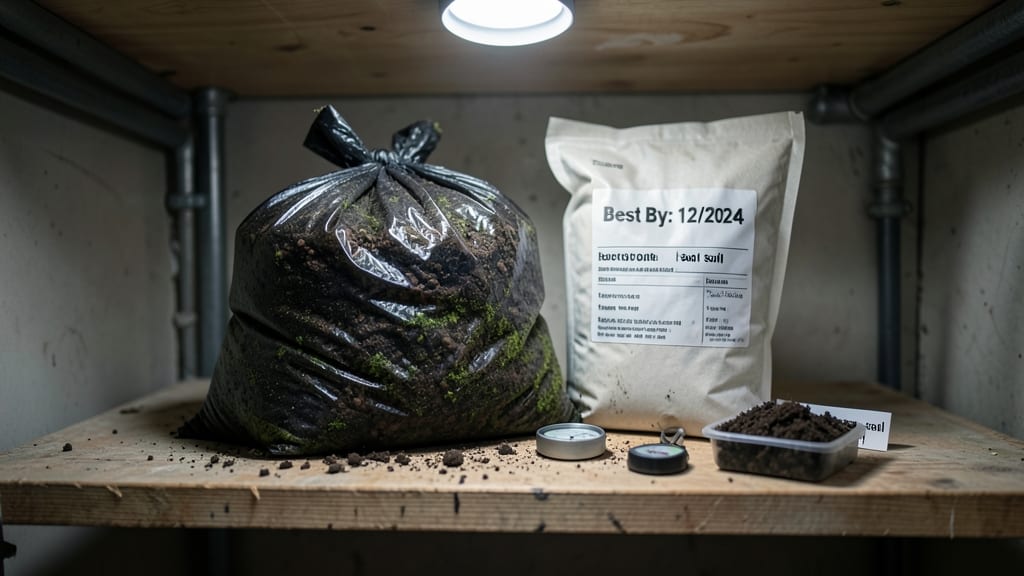
Yes, potting soil can go bad in the bag over time, especially if exposed to moisture, pests, or extreme temperatures, losing nutrients and developing mold or weeds within 6–12 months of opening.
Potting soil starts degrading the moment it's exposed to air, moisture, or temperature swings. 🌱 The organic matter breaks down faster than you'd expect, and unsealed bags let in weeds or fungi that can ruin a whole batch.
I always check for musty smells or visible mold—those are red flags that the soil has lost its effectiveness. Even if it looks fine, soil older than a year may not provide the nutrients your plants need to thrive.
Storage matters just as much as the soil's age. Keeping bags sealed in a cool, dry place—like a garage or basement—slows decomposition. If you notice clumps forming or an earthy odor, it's time to refresh your soil mix.
For long-term use, consider repackaging soil in airtight containers to maintain its quality.
💡 In This Article
- How Moisture, Pests, and Time Degrade Potting Soil Quality
- Best Practices for Storing Potting Soil to Extend Freshness
How moisture, pests, and time degrade potting soil quality
Potting soil degrades primarily through microbial activity and chemical breakdown. When exposed to moisture, beneficial microbes multiply rapidly, but they also consume organic matter faster than plants can replenish it. This process, called soil respiration, accelerates nutrient depletion—especially nitrogen and phosphorus—within just 3-6 months of opening a bag.
The texture becomes denser as organic components break down into simpler compounds, reducing aeration for plant roots.
Weed seeds and fungal spores are another hidden threat. Many commercial soil mixes contain dormant weed seeds that germinate when exposed to light and moisture. A single bag can harbor thousands of seeds, turning your potting mix into an unwanted garden bed.
Fungal growth, like mold (Rhizopus or Penicillium species), thrives in damp conditions, creating visible white or green fuzz and emitting a musty odor—clear signs the soil is no longer sterile or safe for seedlings.
Temperature swings worsen the problem. Soil stored in hot garages or freezing basements experiences thermal shock, which disrupts microbial communities and accelerates organic matter decomposition.
For example, soil left at 90°F+ for weeks can lose 20-30% of its nitrogen content through volatilization, while freezing temperatures kill beneficial microbes that help retain moisture. The result? Soil that struggles to support plant growth even if it looks dry and intact.
Nutrient loss isn't the only issue—soil structure suffers too. Fresh potting soil has a fluffy, airy texture designed to hold moisture while allowing oxygen flow. Over time, organic components like peat moss or coconut coir compress, reducing porosity by up to 40%.
This makes it harder for roots to penetrate, increasing the risk of root rot in container plants. Even if the soil smells fine, compacted texture is a silent warning that it's past its prime.
Pests like fungus gnats or mites also exploit degraded soil. These tiny insects thrive in nutrient-poor, moist environments, laying eggs that hatch into larvae feeding on decaying organic matter.
A single infestation can spread through an entire bag, contaminating future plantings. The larvae excrete waste that further acidifies the soil, creating a vicious cycle of declining quality.
What most gardeners overlook is how light exposure affects soil quality. UV rays break down organic compounds, turning dark peat into a grayish, brittle mass that repels water. This is why unsealed bags left in sunlight degrade twice as fast as those stored in the dark.
Even indirect light can trigger algae growth, which competes with plants for nutrients and clogs drainage holes in pots.