
Tools
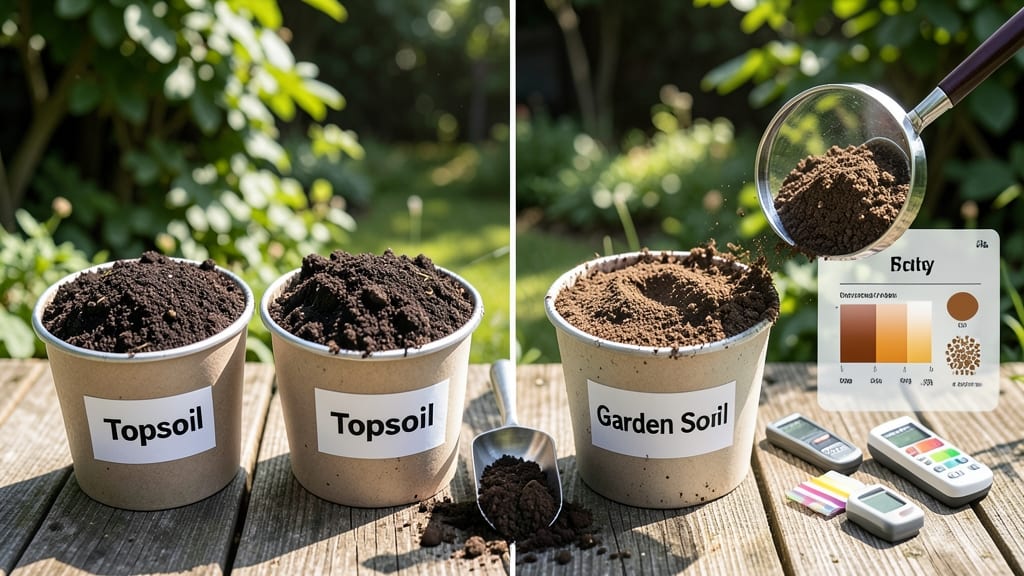
Understanding the difference between topsoil and garden soil saved my first vegetable garden from failure. 🌱 The wrong choice led to stunted plants and poor drainage, but once I learned the key differences, my harvests transformed completely.
Topsoil is raw, natural soil straight from the earth, while garden soil blends topsoil with compost and nutrients for better plant performance.
The texture alone tells the story: topsoil feels coarse and dense, while garden soil is lighter and fluffier, almost like a sponge.
Topsoil works best for leveling lawns or filling large planting areas, but garden soil is the secret weapon for raised beds and container gardens where plants need nutrients to thrive. I now use garden soil for everything from tomatoes to herbs—it’s the difference between struggling seedlings and lush, productive plants.
Here’s the real game-changer: garden soil includes organic matter that improves moisture retention and aeration, so roots grow stronger. Topsoil lacks these extras, which is why it’s better suited for foundational work rather than direct planting.
For most gardeners, mixing the two—using topsoil as a base and garden soil for planting—gives the best of both worlds.
If you’re starting a new bed or container, skip the guesswork: garden soil is the foolproof choice for planting. Use topsoil only when you need to fill space or level ground. The right mix means healthier plants, easier maintenance, and a garden that actually produces what you want to grow.
The first product explained
Meet Miracle-Gro Garden Soil—your ultimate partner for lush, thriving gardens! 🌱✨ This premium blend is meticulously crafted to give your plants the perfect foundation for growth, whether you're a seasoned gardener or just starting your green thumb journey. Designed specifically for vegetable gardens, flower beds, and container plants, it’s packed with essential nutrients to keep your plants happy and healthy.
📏 Key Specs & Features
- Composition: A balanced mix of peat moss, compost, and nutrient-rich additives (including slow-release fertilizer) for optimal drainage and aeration.
- pH Level: Slightly acidic to neutral (6.0–7.0), ideal for most plants.
- Texture: Lightweight and fluffy, easy to work with—no clumping or compaction!
- Organic Matter: 30%+ organic content to retain moisture and improve soil structure over time.
- Coverage: One 50 lb. bag covers up to 100 sq. ft. at a 3-inch depth.
- Eco-Friendly: Formulated without synthetic chemicals, making it safe for pets and kids.
🎯 Who’s It For?
This soil is a game-changer for:
- 🌿 Home gardeners looking to boost flower and vegetable yields.
- 🏡 Urban gardeners with limited space (great for raised beds and containers!).
- 🐝 Eco-conscious growers who prioritize natural, sustainable gardening.
- 🌱 Newbies who want a hassle-free, nutrient-packed soil to kickstart their garden.
💰 Price Point & Value
Priced at $12.99 per 50 lb. bag (or $10.99 for a 3-bag value pack), this soil offers exceptional value. While it’s slightly more investment than basic topsoil, the long-term benefits—like reduced need for fertilizers and healthier plants—make it a worthwhile upgrade.
Plus, it’s versatile enough to use year-round for planting, mulching, or amending existing soil!
Pro Tip: 💡 For best results, mix this soil with your existing garden soil (50/50 ratio) to enhance drainage and nutrient retention. Happy planting!
The second product explained
If you're looking for a versatile, nutrient-rich soil mix that bridges the gap between raw topsoil and specialized garden blends, Miracle-Gro Performance Organics All Purpose Garden Soil is a fantastic choice. 🌱✨ This premium product is designed to deliver immediate results while supporting long-term plant health—making it a favorite among both beginner gardeners and seasoned green thumbs.
📏 Specs & Features
This 1.5 cubic foot bag (approximately 36 quarts) is packed with:
- Organic matter: 70% organic ingredients, including composted plant and animal matter, to enhance soil structure and fertility.
- Slow-release nutrients: Balanced NPK (Nitrogen, Phosphorus, Potassium) blend for steady growth without burning plants.
- Moisture control: Added conditioners to retain water while preventing compaction, ideal for containers or in-ground planting.
- pH-balanced: Pre-adjusted to 6.0–7.5, perfect for most vegetables, flowers, and shrubs.
- Weed & pest resistance: Contains natural ingredients to suppress weeds and deter common garden pests.
🎯 Target Users
This soil is perfect for:
- Container gardening: Great for herbs, succulents, and small vegetables in pots or raised beds.
- In-ground planting: Ideal for flower beds, vegetable gardens, or shrubbery where you need a nutrient boost.
- New gardeners: Easy to use with no mixing required—just add to your existing soil or use as a standalone medium.
- Organic gardeners: Certified for organic gardening (check label for specifics), with no synthetic chemicals.
💰 Price Point & Value
Priced around $12–$18 per 1.5 cubic foot bag, this soil offers excellent value for its nutrient density and ease of use. While it’s slightly more expensive than basic topsoil, the long-term benefits—like reduced watering needs and healthier plants—make it a cost-effective investment.
For larger projects, consider bulk options or multi-packs to save.
💡 Pro Tip: Mix this soil 50/50 with your existing garden soil to stretch its coverage while still reaping the rewards of its organic richness!
Head-to-head comparison
Now that you’ve got a solid grasp of what topsoil and garden soil bring to the table, let’s dive into a side-by-side comparison to help you decide which one is the right fit for your gardening goals.
Whether you’re planting a vegetable patch, reviving a lawn, or just curious about soil science, this breakdown will give you the clarity you need! 🌱🔍
📊 Performance: What They Deliver for Your Plants
When it comes to how these soils perform, the differences are as clear as day—or night! Topsoil is like the foundation of your garden: it’s all about structure and drainage.
It’s packed with minerals and organic matter, making it ideal for establishing new plants, filling in low spots, or leveling uneven ground. Think of it as the base layer for your garden’s success.
On the flip side, garden soil is the all-star performer for active growth. It’s already enriched with compost, nutrients, and sometimes even fertilizers, so it’s perfect for vegetable gardens, flower beds, and container plants.
If you’re growing something that needs a nutrient boost—like tomatoes, herbs, or annual flowers—garden soil is your go-to. It’s like the premium fuel for your plants!
| Category | Topsoil | Garden Soil |
|---|---|---|
| Best For | Leveling, filling, and foundational planting | Active growth, nutrient-rich planting |
| Nutrient Level | Moderate (natural minerals) | High (enriched with compost/fertilizers) |
| Drainage | Excellent (loose, well-aerated) | Good (may retain moisture longer) |
| Plant Types | Grass, shrubs, trees (establishment phase) | Vegetables, flowers, herbs (active growth) |
💰 Price: Your Wallet Will Thank You (or Not)
Let’s talk cost, because let’s face it—budget matters! Topsoil is usually the more affordable option. Since it’s less processed and often sourced in bulk, it’s a great choice if you’re working on a large area, like a lawn or a new garden bed.
You can typically find it for $10–$30 per cubic yard, depending on your location and quality.
Garden soil, however, tends to be pricier because it’s already mixed with compost, fertilizers, and other amendments. If you’re buying it in bags, expect to pay $3–$8 per cubic foot, while bulk orders can range from $30–$60 per cubic yard.
The good news? A little goes a long way when you’re planting nutrient-hungry crops!
Pro Tip: 💡 If you’re on a tight budget, consider blending topsoil with compost at home to create a DIY garden soil mix. It’s a cost-effective way to get the best of both worlds!
🌱 Durability: How Long They’ll Last
Topsoil is long-lasting in terms of its structural benefits. Once you’ve used it to level or fill an area, it won’t degrade quickly—unless you’re dealing with erosion or heavy foot traffic.
However, its nutrient content is limited, so if you’re planting directly into it, you may need to amend it with compost or fertilizer over time.
Garden soil, while rich in nutrients initially, may not last as long in terms of fertility. The organic matter and fertilizers will gradually break down, especially if you’re growing heavy feeders like tomatoes or corn.
That said, you can refresh it by adding more compost or organic matter every season. Think of it as short-term luxury with long-term maintenance!
🔧 Ease of Use: Which One’s Easier to Work With?
Topsoil is a dream to work with if you’re doing heavy-duty tasks like grading or filling large areas. It’s lightweight, easy to spread, and doesn’t compact as much as clay-heavy soils. Plus, it’s great for mixing with other amendments to customize your soil blend.
Garden soil is also user-friendly, but it’s a bit stickier and heavier due to its higher organic content. This makes it perfect for planting—it holds moisture and nutrients well—but it might require a bit more effort to spread evenly, especially in large quantities.
If you’re working in containers or small garden beds, though, it’s a breeze!
Pro Tip: 🌡️ For the easiest experience, water your garden soil slightly before use. This helps it spread more smoothly and reduces clumping, making planting a whole lot simpler!
🌿 Versatility: Where and How to Use Them
Topsoil is the jack-of-all-trades when it comes to preparation. Use it for:
- 🌿 Leveling uneven ground or sloping areas
- 🌿 Filling in holes or low spots in your lawn
- 🌿 Creating new garden beds or raised beds
- 🌿 Mixing with sand or compost for custom soil blends
Garden soil, meanwhile, is the specialist for active gardening. It’s ideal for:
- 🌻 Planting vegetables, herbs, and flowers
- 🍅 Growing container plants or potted herbs
- 🌱 Reviving tired garden beds with a nutrient boost
- 🌿 Top-dressing existing soil to improve fertility
Pro Tip: ✨ For maximum versatility, keep a small bag of garden soil on hand for quick amendments, while using topsoil for larger-scale projects. This way, you’ve got both bases covered!
Which one should you choose?
So, you’ve weighed the differences between topsoil and garden soil, and now you’re ready to make the best choice for your green thumb dreams! 🌱 The right pick depends on your project, budget, and long-term goals. Here’s a quick verdict to help you decide:
🌿 Choose Topsoil If...
- You’re leveling a yard or building a new landscape. Topsoil is the go-to for filling low spots, creating slopes, or establishing a fresh base for lawns and gardens.
- You need a blank canvas for planting. It’s nutrient-light but provides the foundational structure for roots to thrive—ideal for large-scale projects or areas with poor existing soil.
- Budget is a priority. Topsoil is generally more affordable and widely available, making it perfect for DIYers or big projects.
- You’re prepping for turf or ground cover. Its loose texture promotes drainage and aeration, which grasses and shallow-rooted plants love.
🌱 Choose Garden Soil If...
- You’re growing vegetables, flowers, or shrubs. The added nutrients, organic matter, and structure make it a powerhouse for potted plants, raised beds, and in-ground gardens.
- Your existing soil is rocky, clay-heavy, or depleted. Mixing in garden soil improves texture, fertility, and water retention—no need to start from scratch!
- You want low-maintenance growing conditions. It’s pre-enriched with compost and amendments, so your plants get a head start with fewer fertilizers.
- You’re a beginner or short on time. Garden soil simplifies gardening by reducing the need for constant soil prep and amendments.
💡 Pro Tip for Hybrid Projects:
For the best of both worlds, consider layering! Use topsoil as a base for large areas (like lawns) and top it with a 2–4 inch layer of garden soil for planting beds. This combo gives you stability and fertility—without breaking the bank.
Still unsure? Ask yourself: "Am I building a foundation or nurturing life?" 🌟 If it’s the latter, garden soil is your MVP. For the former, topsoil’s your trusty sidekick. Happy digging!