
Container Gardens
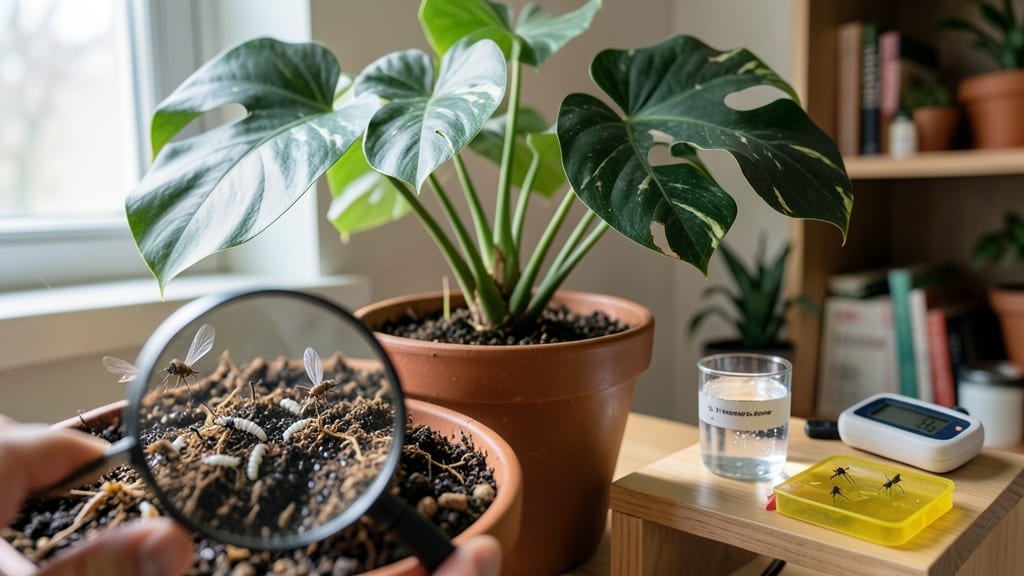
Those tiny flies buzzing around your potted plants aren't just annoying—they're larvae factories in your soil. 🌱 I've battled fungus gnats and fruit flies in my containers for years, and I've learned the fastest, most effective ways to stop them before they ruin your plants.
The problem starts with overwatering and decaying organic matter, creating the perfect breeding ground. You'll see adult flies hovering near soil or tiny larvae wriggling in damp potting mix. The good news? You don't need harsh chemicals to eliminate them—simple organic solutions work just as well.
Within 48 hours, you can see a dramatic reduction in fly activity using yellow sticky traps, hydrogen peroxide, or diatomaceous earth. These methods target the adults while preventing new larvae from hatching, giving your plants a fighting chance. The best part?
Once you establish proper moisture control and healthy soil habits, you'll prevent future infestations entirely. Let's get those containers back to healthy, fly-free growing spaces!
Root Causes of Soil Flies
If you’ve ever spotted tiny, buzzing flies hovering around your potted plants, you’re likely dealing with fungus gnats or fruit flies—two of the most common soil-dwelling pests. Understanding why they appear in the first place is the first step to keeping them out of your green thumb paradise.
Below, we break down the science-backed reasons these pests invade your plants and soil.
Fungus gnats thrive in damp, soggy soil because their larvae feed on decaying organic matter and fungal growth. When soil stays consistently moist—whether from overwatering, poor drainage, or excessive humidity—it creates the perfect breeding ground. Here’s why:
- Larvae love moisture: Female fungus gnats lay eggs in moist soil, and the larvae hatch within days. The damp environment keeps them hydrated and protected.
- Fungal growth accelerates: Excess moisture promotes fungal development, which the larvae feast on. This creates a vicious cycle: more fungi = more larvae = more flies.
- Root rot connection: Overwatered plants often develop root rot, which weakens the plant and makes it more susceptible to pest infestations.
Actionable tip: Let the top inch of soil dry out between waterings, and use pots with drainage holes to prevent waterlogging. 💡
Both fungus gnats and fruit flies are attracted to decomposing organic material. If your potted plants contain fresh compost, old plant debris, or even overripe fruit (if you’re growing edibles), these pests will see it as an all-you-can-eat buffet. Here’s the breakdown:
- Compost and mulch: While compost is great for soil health, fresh or improperly aged compost can attract flies. The same goes for mulch that hasn’t fully broken down.
- Dead plant material: Leaves, stems, or old roots left in the soil provide food and shelter for larvae. Even a single fallen leaf can trigger an infestation.
- Fruit and vegetable scraps: If you’re growing herbs, tomatoes, or other edibles, dropped fruit or uneaten produce can lure fruit flies.
Actionable tip: Use well-aged compost and remove any dead plant material promptly. For edible plants, pick fruit regularly and clean up spills immediately. ✨
Flies are cold-blooded creatures, meaning they’re most active in warm, humid conditions. If your home or greenhouse stays consistently warm (above 70°F or 21°C) with high humidity, you’re essentially rolling out the welcome mat for these pests. Here’s how it plays out:
- Faster reproduction: Warmth speeds up the life cycle of fungus gnats, allowing them to go from egg to adult in just 7–10 days. Humidity keeps their eggs and larvae from drying out.
- Indoor microclimates: Bathrooms, kitchens, and greenhouses often trap heat and moisture, creating ideal conditions for flies to multiply.
- Poor ventilation: Stagnant air prevents moisture from evaporating, making the environment even more attractive to flies.
Actionable tip: Use a fan to improve airflow around your plants, and consider a dehumidifier if your space tends to stay damp. A quick temperature check can also help—keep your growing area between 60–75°F (15–24°C) for optimal plant health and pest control. 🌡️
In nature, soil flies face natural predators like nematodes, predatory mites, and even some birds or insects. However, in a controlled potted environment, these predators are often missing, giving flies free rein to multiply. Here’s why this imbalance matters:
- No checks and balances: Without natural enemies, fungus gnat larvae can devour plant roots unchecked, leading to stunted growth or even plant death.
- Commercial soil limitations: Many potting mixes lack the microbial diversity found in outdoor soil, which means fewer beneficial organisms to keep pests in line.
- Chemical overuse: Harsh pesticides can kill both pests and their natural predators, creating a cycle of reinfestation.
Actionable tip: Introduce beneficial nematodes (like Steinernema feltiae) or use organic pest controls like neem oil to disrupt the life cycle without harming helpful microbes. 🔥
Banish Soil Flies Naturally Today
Discovering flies buzzing around your potted plants can be frustrating, but the good news is that most infestations are manageable with simple, natural solutions. Below, we’ve mapped out practical fixes based on the root causes—from overwatering to decaying organic matter—so you can restore your soil’s health without harsh chemicals.
Prevention tips are included to keep those pesky flies from returning!
If your soil is soggy, fungus gnats (those tiny black flies) thrive in moisture. Here’s how to dry it out and deter them:
- 🍳 Reduce Watering Immediately Let the top 1–2 inches of soil dry out completely before watering again. Stick your finger in the soil—if it’s damp past your first knuckle, wait a few more days.
- 👨🍳 Improve Drainage Add a layer of coarse sand, perlite, or small gravel to the bottom of pots (or mix it into the soil) to help excess water drain. Elevate pots on saucers or trays to prevent waterlogging.
- 🥘 Use a Fan for Drying Place a small fan near the plants for 10–15 minutes daily. The airflow disrupts the flies’ breeding cycle and speeds up evaporation.
- ⏰ Rotate Pots Regularly Move pots to different spots every few days so all sides get equal sunlight and airflow, reducing hidden damp pockets.
Compost, old leaves, or dead roots create the perfect buffet for flies. Clean up and refresh your soil to break the cycle:
- 🔪 Remove Affected Soil Scoop out the top 2–3 inches of soil (where larvae hide) and replace it with sterile potting mix. Dispose of the old soil in a sealed bag outside.
- 🌱 Repot with Fresh Mix Choose a well-draining, peat-free potting mix with added perlite or vermiculite. Avoid garden soil or compost with unknown organic debris.
- 💡 Pro Tip: Add a thin layer of cinnamon or diatomaceous earth (food-grade only) to the soil surface. Both repel flies and have mild antifungal properties.
Break the fly life cycle by targeting adults before they lay eggs. These traps are non-toxic and effective:
- 🍎 Apple Cider Vinegar Trap Fill a small container with apple cider vinegar and a drop of dish soap. Cover with plastic wrap, poke small holes, and place near plants. Flies enter but can’t escape.
- 🥗 Yellow Sticky Traps Hang yellow sticky cards (available at garden centers) near infested pots. Flies are attracted to the color and get trapped instantly.
- 🎯 DIY Jar Trap Cut the top off a plastic bottle, invert it into the bottom half, and fill with sugar water or beer. Flies crawl in but can’t fly out.
Once you’ve banished the flies, keep them away with these habits:
- 💡 Water in the Morning Wet soil dries faster during the day, reducing moisture that attracts flies. Avoid evening watering, which keeps soil damp overnight.
- 🌱 Use Beneficial Nematodes These microscopic worms (Steinernema feltiae) naturally kill fungus gnat larvae. Mix them into soil every 3–4 months as a preventive measure.
- 🔥 Maintain Clean Pots Wipe down pot rims and saucers regularly to remove debris. Replace old soil annually to prevent buildup of organic matter.
- 🍃 Choose Resistant Plants Some plants (like succulents, cacti, or African violets) are less prone to fungus gnats. If you’re prone to infestations, opt for drier-loving species.
With these targeted solutions, your potted plants will be fly-free in 2–4 weeks. Consistency is key—combine traps with soil adjustments for the best results. Happy gardening! 🌿
Frequently asked questions
What are those tiny black flies in my potted plant soil?
Those are most likely fungus gnats—small, dark-winged flies that thrive in damp potting mixes. Their larvae feed on decaying organic matter and plant roots, which is why they appear when soil stays too wet. Fruit flies may also visit if you have overripe produce nearby.
How quickly can I see results from natural remedies?
With consistent treatment (like hydrogen peroxide or yellow sticky traps), you should notice fewer adult flies within 3-5 days. Complete elimination of larvae may take 2-4 weeks, depending on the infestation size. Combine traps with soil drying for fastest results.
Are these flies harmful to my plants?
While adult flies don't damage plants, their larvae can cause serious problems by feeding on roots. Severe infestations may lead to stunted growth, yellowing leaves, or even plant death in vulnerable species like seedlings. Act quickly to prevent root damage.
Can I use coffee grounds to repel soil flies?
Yes! Sprinkle used coffee grounds on the soil surface—they repel flies while adding nitrogen. However, use sparingly (1-2 tablespoons per pot) as too much can compact soil. Mix with perlite to maintain airflow and prevent moisture buildup.
What's the best way to prevent future infestations?
Focus on three key habits: water only when the top inch is dry, use pots with drainage holes, and add sand or perlite to improve aeration. Rotate pots regularly for even drying and avoid over-fertilizing with organic matter that attracts flies.