
How To
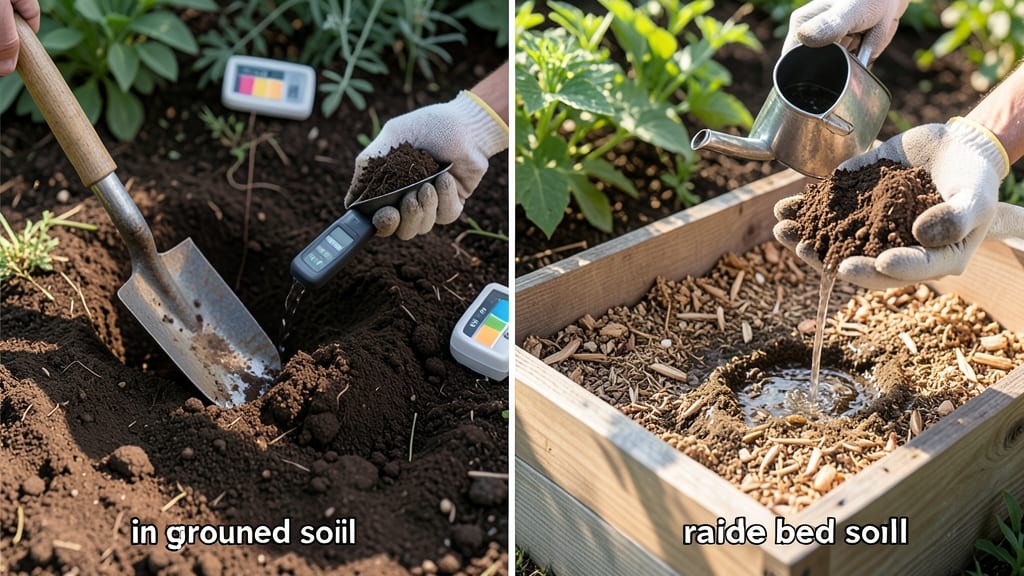
The difference between in-ground soil and raised bed soil isn't just about where plants grow—it's about how they thrive. 🌱 I've seen struggling plants in rich garden soil and lush crops in what looks like "dirt" from the hardware store, and the secret lies in density, drainage, and temperature control.
In-ground soil is naturally compacted over years, holding moisture but often lacking aeration. It's perfect for deep-rooted perennials but can suffocate vegetables.
Raised bed soil, on the other hand, is loose, well-draining, and warms up faster in spring—ideal for plants like tomatoes and peppers that need consistent moisture without soggy roots.
You'll notice faster germination in raised beds because the soil stays warmer and dries out less. Root systems spread freely in that airy mix, while in-ground plants often compete for space and nutrients.
The trade-off? Raised beds require more frequent watering and compost top-ups, but the payoff is healthier plants with bigger yields.
Choose in-ground for established perennials and low-maintenance gardens. Opt for raised beds when you want control over soil quality, faster growth, and higher productivity—especially in clay-heavy or rocky native soil. Here's how to prep each for maximum success.
The first product explained
Meet Miracle-Gro Raised Bed & Container Soil—your secret weapon for unlocking the full potential of your plants! 🌱✨ Designed specifically for raised beds, containers, and in-ground gardens, this premium blend is engineered to deliver exceptional drainage, nutrient retention, and aeration—key factors that set it apart from standard garden soil.
📏 Key Specs & Features
- Type: Premium potting mix (not native soil)
- Weight: 12 lbs per bag (covers ~1.5 cubic feet)
- Composition:
- 50% peat moss (moisture retention)
- 25% perlite (aeration & drainage)
- 25% composted bark & nutrients (slow-release fertility)
- pH Level: Balanced at 6.0-7.0 (ideal for most veggies, flowers, and herbs)
- Organic Matter: 70%+ (rich in microbes for healthy root growth)
- Disease Resistance: Sterilized to prevent pathogens (perfect for seed-starting!)
- Long-Lasting: Retains moisture 3x longer than sandy or clay-heavy soils
🎯 Who’s It For?
This soil is a game-changer for:
- 🌿 Raised bed gardeners – Prevents compaction and improves root depth
- 🏺 Container & patio planters – Lightweight yet nutrient-dense for herbs, veggies, and flowers
- 🌱 Seed starters & seedlings – Sterile and fluffy for delicate roots
- 🏡 Urban gardeners – No heavy lifting; mixes easily with existing soil
- 🌶️ Hot-weather growers – Retains moisture better than in-ground soil
💰 Price Point & Value
Priced at $6.97 per 12-lb bag (varies by retailer), this soil offers unmatched value when compared to generic mixes. Here’s why:
| Feature | Miracle-Gro | Standard Garden Soil |
|---|---|---|
| Nutrient Density | ⭐⭐⭐⭐⭐ (Slow-release fertilizer) | ⭐⭐ (May need amendments) |
| Drainage | ⭐⭐⭐⭐⭐ (Perlite-based) | ⭐⭐ (Depends on clay/sand ratio) |
| Moisture Retention | ⭐⭐⭐⭐⭐ (Peat moss blend) | ⭐⭐ (Often dry or waterlogged) |
| Cost per Cubic Foot | $4.65 | $2.00–$3.50 (but requires additives) |
Pro Tip: 💡 Buy in bulk (4-pack) for 20% savings—ideal if you’re filling multiple raised beds or containers!
The second product explained
Meet EcoGrow Premium Raised Bed Soil Mix—your secret weapon for unlocking explosive plant growth in elevated gardens! 🌱✨ Designed specifically for raised beds, this product is the perfect follow-up to our dense in-ground soil solution, offering a lighter, more nutrient-rich alternative that breathes life into your elevated plots.
🔍 Key Specs & Features
EcoGrow is a premium, organic blend engineered to thrive in raised beds, where drainage and aeration are critical. Here’s what sets it apart:
- Perfect Density: Lightweight yet structured—ideal for raised beds where soil compaction isn’t an issue.
- Nutrient-Packed: Enriched with slow-release organic fertilizers, composted cow manure, and worm castings for sustained growth.
- pH Balanced: 6.0–7.0 (neutral to slightly acidic), perfect for most vegetables, herbs, and flowers.
- Drainage Champion: Blended with perlite and coconut coir to prevent waterlogging while retaining moisture.
- Weed-Free & Sterile: Heat-treated to eliminate pathogens and weeds, giving your plants a clean slate to flourish.
- Versatile Use: Works for vegetables, fruits, herbs, and even container gardening—not just raised beds!
🎯 Who Is This For?
EcoGrow is a game-changer for:
- 🌿 Raised bed gardeners tired of struggling with poor drainage or nutrient-deficient soil.
- 🍅 Vegetable and herb enthusiasts who want bigger yields and healthier plants from day one.
- 🏡 Small-space gardeners using containers or elevated planters.
- 🌻 Organic gardeners seeking a chemical-free, sustainable growing medium.
- 💡 First-time gardeners who want a foolproof soil mix that requires minimal fuss.
💰 Price Point & Value
Priced at $24.99 for a 40-lb bag (enough to fill a 4’x8’ raised bed to a depth of 6–8 inches), EcoGrow delivers unmatched value for its quality and performance.
While it’s an investment upfront, the long-term benefits—like faster germination, stronger roots, and higher yields—make it a cost-effective choice over time.
Pro Tip: 💡 Mix EcoGrow with a handful of compost for extra nutrients if you’re growing heavy feeders like tomatoes or peppers!
Head-to-head comparison
Choosing between in-ground soil and raised bed soil isn’t just about where you plant—it’s about unlocking the full potential of your garden. 🌱 Let’s break down the key differences in a side-by-side comparison so you can make an informed decision for your green thumb goals!
📊 Performance: How Soil Impacts Plant Growth
When it comes to how your plants thrive, the soil type plays a huge role. Here’s how in-ground and raised bed soils stack up:
| Factor | In-Ground Soil | Raised Bed Soil |
|---|---|---|
| Drainage | Depends on native soil composition. Clay-heavy soils can become waterlogged, while sandy soils may drain too quickly. | Superior—you control the mix! Raised beds allow for better aeration and drainage, reducing the risk of root rot. |
| Nutrient Retention | Natural soil may lack consistency; nutrients can leach out over time, especially in heavy rainfall. | Higher nutrient density due to customizable soil blends (e.g., compost, peat, or coconut coir). Retains moisture and nutrients longer. |
| Temperature Regulation | Fluctuates with ground temperature—can get too cold in winter or too hot in summer. | Warms up faster in spring and stays cooler in summer, giving plants a head start on growth. |
| Root Development | Encourages deep root systems if the soil is loose and well-draining. | Shallow root systems are common unless the bed is very deep (12+ inches). Best for plants with smaller root zones. |
🛠️ Features: What Makes Each Soil Unique
Every gardener’s needs are different, and so are the features that matter most. Here’s what sets these two apart:
- Customization:
- In-Ground: Limited to your native soil. Amending with compost or fertilizer is possible but labor-intensive.
- Raised Bed: Total control! Mix in organic matter, perlite, vermiculite, or slow-release fertilizers to tailor the perfect growing medium.
- Ease of Maintenance:
- In-Ground: Weeding, tilling, and soil testing can be time-consuming, especially in large plots.
- Raised Bed: Fewer weeds (thanks to elevated edges), easier access for planting/harvesting, and less compaction over time.
- Accessibility:
- In-Ground: Ideal for large-scale gardening but may be difficult for those with mobility issues.
- Raised Bed: Perfect for urban gardeners, kids, or anyone who wants a back-friendly growing space.
- Pest & Disease Control:
- In-Ground: Vulnerable to soil-borne diseases and pests (e.g., grubs, nematodes) unless treated.
- Raised Bed: Elevated design reduces ground-level pests, and custom soil can deter diseases.
$💰 Price: Upfront and Long-Term Costs
Your wallet will feel the difference between these two soil types. Here’s the breakdown:
| Cost Factor | In-Ground Soil | Raised Bed Soil |
|---|---|---|
| Initial Setup | Low to none—just amend existing soil if needed. | Moderate to high. Costs include bed materials (wood, bricks), soil mix, and landscaping fabric. |
| Soil Amendments | Ongoing costs for compost, fertilizer, or soil conditioners. | One-time or minimal ongoing costs if you start with high-quality soil. |
| Long-Term Savings | Lower maintenance costs but may require more inputs (water, fertilizer) for optimal growth. | Higher upfront cost, but less water and fertilizer needed over time due to better soil structure. |
| DIY vs. Professional | Mostly DIY-friendly with basic tools. | Can be DIY, but professional installation adds to costs (e.g., lumber, hardware, labor). |
🏗️ Durability: Longevity and Soil Health
How long will your soil stay productive? Let’s compare the lifespan and health of each option:
- In-Ground Soil:
- Can degrade over time due to compaction, erosion, or nutrient depletion.
- Requires regular tilling and composting to maintain fertility.
- Susceptible to soil-borne pathogens if not rotated or treated.
- Raised Bed Soil:
- Lasts years longer with proper care (e.g., adding compost annually).
- Less prone to compaction because it’s not walked on.
- Custom soil blends break down slowly, maintaining structure and fertility.
- Pro Tip: 💡 Avoid over-filling raised beds with fresh soil every year—top-dress with compost instead to preserve the existing mix!
🌍 Environmental Impact: Sustainability Factors
For eco-conscious gardeners, the choice of soil can also affect the planet. Here’s how they compare:
- In-Ground Soil:
- Uses native resources—no additional materials needed.
- But: Heavy machinery (like tillers) can disrupt soil microbes and carbon sequestration.
- Water runoff risk if soil is poorly managed.
- Raised Bed Soil:
- Materials like cedar or recycled wood can be sustainable choices.
- Reduces water waste by 30-50% compared to in-ground gardens.
- Encourages less chemical use due to healthier soil composition.
- Pro Tip: ✨ Use locally sourced soil and compost to minimize your carbon footprint!
🌿 Best For: Who Should Choose Which?
Not sure which soil is right for you? Here’s a quick guide:
- Pick In-Ground Soil If:
- You have large garden space and want low upfront costs. <
Which one should you choose?
So, which soil type is the perfect match for your gardening goals? The answer depends on your priorities, space, and long-term vision for your garden. Here’s a clear verdict to help you decide:
🌱 Choose In-Ground Soil If…
- You’re working with a large, established garden. In-ground soil is ideal for sprawling plots where you want to cultivate deep-rooted plants like fruit trees, shrubs, or perennials.
- You prioritize natural soil composition. Over time, in-ground soil benefits from organic matter decomposition, microbial activity, and natural drainage—creating a self-sustaining ecosystem.
- You’re on a budget and have the time to amend soil. While initial setup may require more effort (like tilling and composting), in-ground gardening is cost-effective in the long run.
- Your climate is mild or you have access to irrigation. In-ground soil retains moisture better in cooler, wetter climates, reducing the need for frequent watering.
🏡 Choose Raised Bed Soil If…
- You have limited space or poor-quality native soil. Raised beds give you full control over soil quality, drainage, and depth—perfect for urban gardens, small yards, or rocky terrain.
- You want faster, easier gardening with fewer weeds. Raised beds warm up quicker in spring, allow for better aeration, and make weeding and harvesting a breeze.
- You’re growing delicate or high-value crops. The looser, well-draining soil in raised beds is ideal for vegetables like lettuce, herbs, or strawberries that thrive in consistent conditions.
- You’re new to gardening or have mobility challenges. Raised beds reduce bending and kneeling, making gardening more accessible and enjoyable.
- You live in a hot or dry climate. Raised beds can be filled with moisture-retentive mixes to combat drought, while also allowing for better temperature regulation.
💡 Pro Tip for Hybrid Gardeners:
Why not both? Many gardeners use a mix of in-ground and raised beds to balance cost, space, and plant needs. For example:
- Use raised beds for vegetables, herbs, and flowers.
- Plant fruit trees or shrubs in-ground where roots can spread naturally.
- Add compost or organic matter to in-ground soil annually to boost fertility.
Ultimately, the "best" soil depends on your unique situation. Experiment, observe, and adjust! Whether you’re a seasoned gardener or just starting out, understanding these differences will help you grow a thriving, productive garden tailored just for you. 🌿✨