
Tools
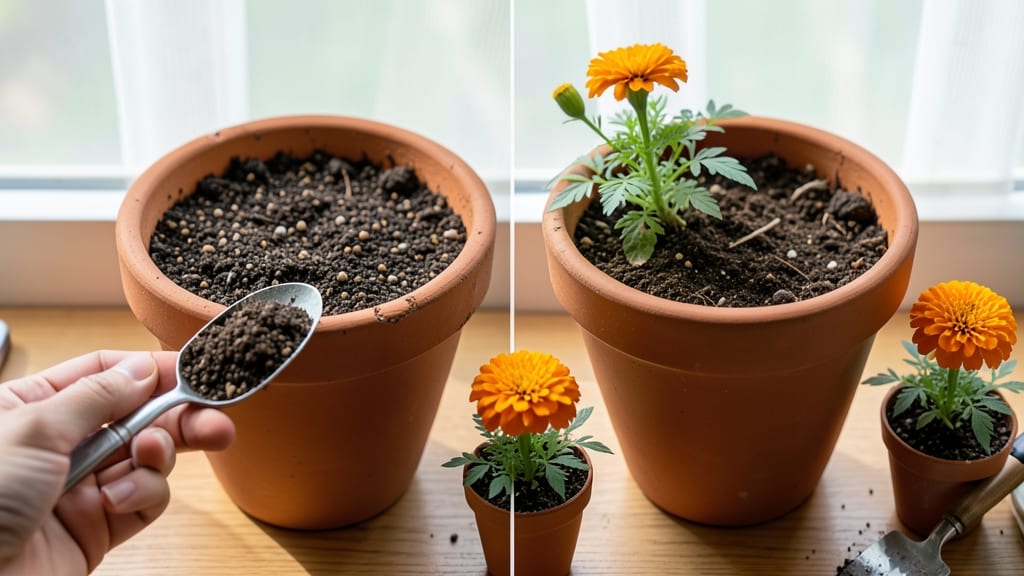
The difference between potting soil and garden soil can mean the success or failure of your plants before they even sprout. 🌱 I’ve seen gardeners overwater potted plants because the soil drains too slowly, or struggle with container plants that wilt in minutes because the soil doesn’t hold moisture.
The difference between potting soil and garden soil isn’t just texture—it’s about how roots breathe, how water moves, and whether your plants thrive or just survive.
Potting soil is designed for containers, packed with organic matter like peat moss or coconut coir to retain moisture while still allowing airflow. It’s lighter, fluffier, and often mixed with perlite or vermiculite to prevent compaction.
Garden soil, on the other hand, comes straight from the earth—heavy, dense, and packed with minerals. It’s perfect for in-ground beds where roots can spread freely, but it suffocates container plants by holding too much water and blocking oxygen.
Use potting soil for anything in pots, hanging baskets, or raised beds with restricted root space. Garden soil belongs in your vegetable patch, flower beds, or anywhere you’re planting perennials that need deep, stable roots.
The key is matching the soil to the plant’s needs—not just throwing dirt in a pot and hoping for the best.
Pro tip: If you’re mixing your own, aim for a 50/50 blend of garden soil and compost for in-ground planting, or a 60% potting soil/40% perlite mix for containers. Your plants will thank you with stronger roots and bigger blooms—or bigger tomatoes, if that’s your goal.
The first product explained
Meet Miracle-Gro Potting Mix—your go-to companion for container gardening! 🌱 This premium blend is specifically engineered to help your plants thrive in pots, hanging baskets, and other confined spaces. Let’s break down why it’s a favorite among gardeners.
📏 Specs & Features
- Composition: A balanced mix of peat moss, compost, and perlite for optimal drainage and aeration.
- Nutrient Boost: Includes slow-release fertilizer to feed plants for up to 3 months.
- pH Level: Slightly acidic (around 5.5-6.5), ideal for most container plants like herbs, flowers, and veggies.
- Moisture Retention: Designed to hold water without becoming soggy, reducing the risk of root rot.
- Organic Matter: Enriched with natural compost to support healthy microbial activity.
🎯 Who’s It For?
This potting mix is perfect for:
- 🌿 Beginner gardeners looking for a fuss-free, nutrient-rich soil.
- 🏡 Urban dwellers with balconies, patios, or small spaces.
- 🌸 Plant parents growing flowers, herbs, or veggies in containers.
- 🔄 Seasoned gardeners who want a reliable, no-fuss mix for seed starting.
💰 Price Point & Value
Priced at $6.97 for a 8-quart bag (or around $12.97 for a 12-quart bag), this mix offers exceptional value. While it’s slightly pricier than basic garden soil, the nutrient blend and convenience make it a cost-effective investment for long-term plant health.
Plus, one bag can fill multiple 5-gallon containers, stretching your budget further!
Pro Tip: 💡 For even better results, mix in a handful of worm castings or compost to boost organic matter!
The second product explained
Meet Miracle-Gro Potting Mix—the powerhouse for your container garden! 🌱✨ This premium blend is designed specifically for potted plants, offering the perfect balance of nutrients, moisture retention, and aeration to keep your green babies thriving. Whether you're growing herbs on your balcony, vibrant flowers in hanging baskets, or veggies in raised beds, this mix has you covered.
📏 Key Specs & Features
- Composition: A lightweight, airy mix of peat moss, compost, and perlite for optimal drainage and root health.
- Nutrients: Slow-release fertilizer included to feed plants for up to 3 months—no extra fertilizing needed!
- Moisture Control: Retains water longer than standard soil, reducing the need for frequent watering (great for busy plant parents!).
- pH Level: Slightly acidic (around 5.5–6.5), ideal for most container plants like tomatoes, peppers, and petunias.
- Sterilized: Free from weeds, insects, and diseases—so you can focus on growth, not pests! 🚫🐜
- Bag Size: Available in 2 cu. ft., 8 cu. ft., and 12 cu. ft. options for small pots or large raised beds.
🎯 Who’s It For?
This potting mix is a game-changer for:
- 🌿 Urban gardeners with limited space (balconies, patios, windowsills).
- 🌶️ Vegetable lovers growing tomatoes, peppers, or herbs in containers.
- 🌺 Flower enthusiasts who want lush, long-lasting blooms in hanging baskets or planters.
- 🛠️ DIYers and beginners—no soil science degree required!
- 🏡 Indoor plant parents keeping ferns, succulents, or snake plants happy.
💰 Price Point & Value
The Miracle-Gro Potting Mix is priced competitively, with the 8 cu. ft. bag (~$15–$20) offering the best bang for your buck.
For larger projects, the 12 cu. ft. bag (~$20–$25) is a steal—especially when you consider the time and effort saved by not having to amend regular garden soil. Pro tip: 💡 Split a bag with a friend if you’re tackling a big patio garden!
Plus, the long-lasting nutrients mean fewer trips to the store for extra fertilizer. It’s like a plant multivitamin in a bag! 💪🌱
Head-to-head comparison
Now that we’ve explored the unique strengths of potting soil and garden soil, let’s dive into a side-by-side comparison to help you decide which one fits your gardening needs like a glove!
Whether you’re a container plant enthusiast or a dedicated in-ground gardener, understanding these differences will save you time, money, and frustration. 🌱✨
📏 Performance: Where and How They Excel
Performance is where these two soils truly shine—or fail—to shine! Let’s break down how they stack up in real-world scenarios:
| Factor | Potting Soil | Garden Soil |
|---|---|---|
| Drainage | ✅ Excellent – Designed to prevent root rot with added perlite, vermiculite, or sand. | ⚠️ Moderate to Poor – Can become compacted, leading to waterlogging unless amended. |
| Nutrient Retention | 🌿 Balanced – Often enriched with slow-release fertilizers or compost for steady growth. | 🌱 Variable – Depends on natural organic matter; may need supplements like compost or fertilizer. |
| Root Oxygenation | 💨 Superior – Lightweight and airy, promoting healthy root respiration. | 🏗️ Limited – Can become dense, restricting oxygen flow to roots. |
| Best For | 🏺 Containers, hanging baskets, raised beds, and indoor plants. | 🌍 In-ground planting, vegetable gardens, lawns, and perennial beds. |
🎯 Features: What’s Inside the Bag?
Not all soils are created equal! Here’s what you’ll typically find in each type:
- Potting Soil:
- 🌾 Peat moss or coconut coir – Holds moisture without suffocating roots.
- 🪨 Perlite or vermiculite – Improves aeration and drainage.
- 🌱 Compost or aged bark – Provides nutrients and structure.
- 🧪 Slow-release fertilizers – Feeds plants over time (look for labels like "time-release" or "organic blend").
- ⚠️ No clay or heavy minerals – Avoids compaction.
- Garden Soil:
- 🪨 Sand, silt, and clay – Natural texture varies by region.
- 🌍 Local organic matter – May include decomposed leaves, grass clippings, or manure.
- 💧 Higher moisture retention – Can hold water longer but may drain poorly.
- 🔄 Requires amending – Often needs compost, sand, or gypsum to improve structure.
- 🌿 Less uniform – Quality depends on soil health in your area.
$ Price: Your Wallet Will Thank You (or Cry)
Budget-friendly gardening starts with knowing the cost difference. Here’s the scoop:
| Type | Average Cost (Per Cubic Foot) | Long-Term Value |
|---|---|---|
| Potting Soil | $0.50 – $1.50 | 💰 Higher upfront cost but saves money on fertilizers and amendments since it’s pre-mixed. |
| Garden Soil | $0.20 – $0.80 | 💡 Cheaper initially but may require extra spending on compost, mulch, or soil conditioners. |
Pro Tip: 💡 If you’re on a tight budget, consider mixing your own potting soil by combining garden soil with perlite, compost, and coconut coir. It’s a gardener’s secret to saving cash without sacrificing quality!
⏳ Durability: How Long Will It Last?
Soil isn’t a "set it and forget it" kind of deal. Here’s how long each type stays effective:
- Potting Soil:
- 🔄 1–3 years for containers – Nutrients deplete faster in small spaces.
- 🌱 Refresh annually – Top off with compost or fertilizer mid-season.
- ⚠️ Degrades faster in heat – Can dry out or lose structure quickly.
- Garden Soil:
- 🌍 Lasts longer in the ground – Natural ecosystem keeps it fertile for years.
- 🔄 Maintain with mulch – Adds organic matter over time.
- ✨ Improves with age – Well-tended garden soil gets richer annually.
🌡️ Climate Adaptability: Can It Handle Your Weather?
Not all soils play nice with every climate. Here’s how they fare in different conditions:
| Climate Type | Potting Soil | Garden Soil |
|---|---|---|
| Hot & Dry | ⚠️ Needs frequent watering – Lightweight texture dries out fast. | 💧 Better moisture retention – But may need mulch to prevent evaporation. |
| Cool & Wet | ✅ Drains well – Prevents root rot in containers. | 🌧️ Can become soggy – Amend with sand or organic matter. |
| Urban/Container Gardening | 🏙️ Perfect for small spaces – Lightweight and customizable. | ❌ Not ideal – Too heavy and compacted for pots. |
Pro Tip: 🌡️ For extreme climates, consider
So, which soil should you choose? The answer depends on your gardening goals, space, and plants! Here’s a quick verdict to help you decide: Can’t decide? Mix them! For large containers (like whiskey barrels or half-barrels), blend 70% potting soil + 30% garden soil to balance drainage and nutrients. Just avoid heavy clay garden soil—it’ll suffocate roots! 🚫💨 Final thought: Potting soil is your container MVP, while garden soil is the in-ground workhorse. Know your space, and your plants will thank you with lush, happy growth! 🌟Which one should you choose?
🌱 Use potting soil if...
🌳 Use garden soil if...
💡 Pro Tip for Hybrid Gardens: