
Pruning
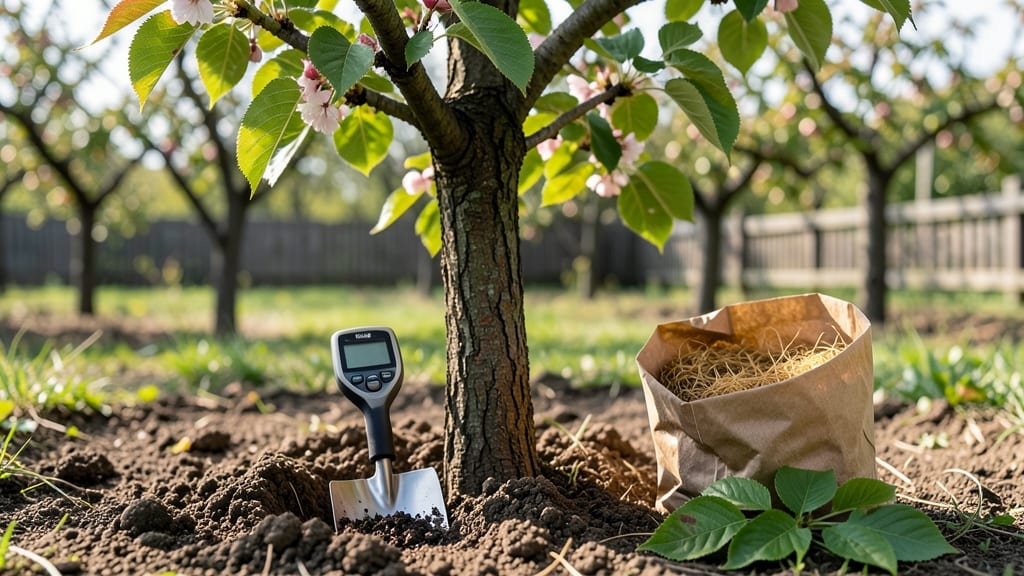
Growing a thriving cherry tree 🍒 depends on getting the soil pH right—aim for a range of 4.5 to 6.5 to unlock sweet fruit and vibrant growth.
Did you know your cherry tree’s soil pH could be the hidden reason behind poor fruit production—or even leaf yellowing? Mastering the acidity balance is the key to lush foliage and sweet, abundant cherries.
Too high or too low, and your tree struggles to absorb essential nutrients like iron and phosphorus, which directly impacts fruit quality and tree health. The good news? Testing and adjusting is simpler than you think.
In this guide, I’ll walk you through the ideal pH range for your variety, how to test your soil accurately, and organic methods to tweak acidity—so you can grow cherries that taste as good as they look.
Optimal soil pH range for cherry trees: acid-loving requirements explained
Growing healthy cherry trees starts with understanding their soil pH preferences. Unlike many fruit trees, cherries thrive in slightly acidic to neutral soil, with an ideal range between 4.5 and 6.5.
This balance ensures your tree absorbs essential nutrients like iron, manganese, and phosphorus—critical for fruit production and vibrant foliage. Without proper pH, you might see yellowing leaves, stunted growth, or poor flowering, even if you're providing adequate water and fertilizer.
Different cherry varieties have similar pH needs, but sour cherries (Prunus cerasus) often tolerate slightly more acidic soil than sweet cherries (Prunus avium). For example, Montmorency sour cherries may perform well at pH 4.8, while Bing sweet cherries might struggle below 5.5.
Regional soil naturally varies—coastal areas often have more acidic soil, while inland regions may lean alkaline. Testing your soil before planting ensures you adjust it correctly from the start.
Here’s a quick reference for cherry tree soil pH requirements, including adjustments for regional climates and tree maturity stages:
| Variety | Ideal pH Range | Regional Adjustments | Testing Method |
|---|---|---|---|
| Sweet Cherries (e.g., Bing, Rainier) | 5.0–6.5 | Avoid lime in alkaline soils; use sulfur | Home pH test kit or lab analysis |
| Sour Cherries (e.g., Montmorency, Morello) | 4.5–6.0 | Coastal areas: may need less sulfur | Digital pH meter or soil lab |
| Dwarf Varieties (e.g., Stella, Lapins) | 5.0–6.2 | Container soil dries faster; retest annually | Liquid test strips |
| Established Trees (5+ years) | 5.5–6.5 | Mature roots buffer pH; monitor leaf color | Soil probe kit |
Testing your soil’s pH is simpler than you think. Grab a soil pH test kit from your local garden center or use a digital pH meter for precise readings.
For the most accurate results, collect samples from 6–12 inches deep around the tree’s drip line (the outermost edges of the canopy). Mix these samples together, remove debris, and follow the kit’s instructions.
If your soil tests outside the ideal range, don’t panic—adjustments are straightforward, whether you need to lower pH with sulfur or raise it with lime.
Young cherry trees are particularly sensitive to pH imbalances because their root systems are still developing. If your soil tests above 7.0, your tree may struggle to absorb iron, leading to yellowing leaves with green veins (chlorosis).
Conversely, soil below 4.5 can lock out phosphorus, stunting root growth and reducing fruit set. Regularly retesting your soil—especially after amendments—helps maintain the perfect balance for your tree’s needs.
Regional soil types play a huge role in pH management. For instance, Pacific Northwest gardeners often deal with naturally acidic soils, while Midwestern growers may face alkaline conditions from limestone bedrock.
If you’re in a high-rainfall area, your soil might already be acidic enough for cherries, but adding organic matter like compost or peat moss can help buffer pH fluctuations. In drier climates, irrigation water can leach nutrients and alter soil chemistry over time, so monitor pH more frequently.
One common misconception is that all fruit trees prefer acidic soil. While cherries do enjoy slightly acidic conditions, they’re not as finicky as blueberries or azaleas, which demand pH levels below 5.5.
Cherries give you a bit more flexibility, but staying within their ideal range maximizes fruit quality and tree vigor. For example, Bing sweet cherries grown at pH 6.0 produce sweeter fruit than those struggling at pH 7.0 due to better nutrient uptake.
To maintain optimal pH long-term, incorporate organic mulch like pine straw or wood chips around your tree’s base. These materials slowly acidify the soil as they break down, reducing the need for harsh amendments.
Pair this with a balanced fertilizer** (like 10-10-10) applied in early spring to support healthy growth. Avoid over-fertilizing, as excess salts
How to lower or raise soil pH for cherry trees: organic fixes for balanced growth
Your cherry tree thrives when soil pH stays between 4.5 and 6.5, but nature doesn’t always cooperate. If your tree’s leaves turn yellow or fruit production stalls, it’s time to adjust.
The good news? You can fix soil pH naturally without harsh chemicals. Let’s explore organic methods to acidify or alkalize your soil for peak cherry tree health.
Testing your soil first is critical. Use a home pH test kit or send a sample to your local extension office. If your soil is too alkaline (above 6.5), your cherries will struggle to absorb iron and zinc.
If it’s too acidic (below 4.5), nutrient toxicity can occur. The solution depends on your current pH level and your tree’s needs.
Lowering Soil pH (Acidifying)
Raising Soil pH (Alkalizing)
To lower soil pH, start with elemental sulfur, the gold standard for acidification. Apply 2-5 pounds per 100 sq ft for every 1 pH point you need to drop.
For organic options, spread pine bark fines or composted leaves around your tree’s drip line. These materials break down slowly, releasing organic acids over time.
Raising pH requires alkaline amendments like pelletized lime or wood ash. For a quick fix, sprinkle 1-2 cups of wood ash around your tree’s base, but avoid overdoing it—too much can harm soil microbes.
For a slower, safer approach, mix crushed oyster shell into the top 6 inches of soil. Always water amendments in well to activate them.
Long-term soil health matters more than quick fixes. Incorporate compost annually to improve soil structure and nutrient availability. Mulch with pine straw or cedar chips to maintain acidity naturally.
Avoid synthetic fertilizers, which can disrupt your soil’s delicate balance. With patience and the right amendments, your cherry tree will thrive in soil that supports its unique needs.
Remember, pH adjustments are a seasonal process. Test your soil every 6-12 months to monitor changes. If you’re unsure, consult your local extension service for tailored advice. With the right approach, your cherry tree will reward you with vibrant foliage and bountiful fruit for years to come. 🍒