
Neem Oil
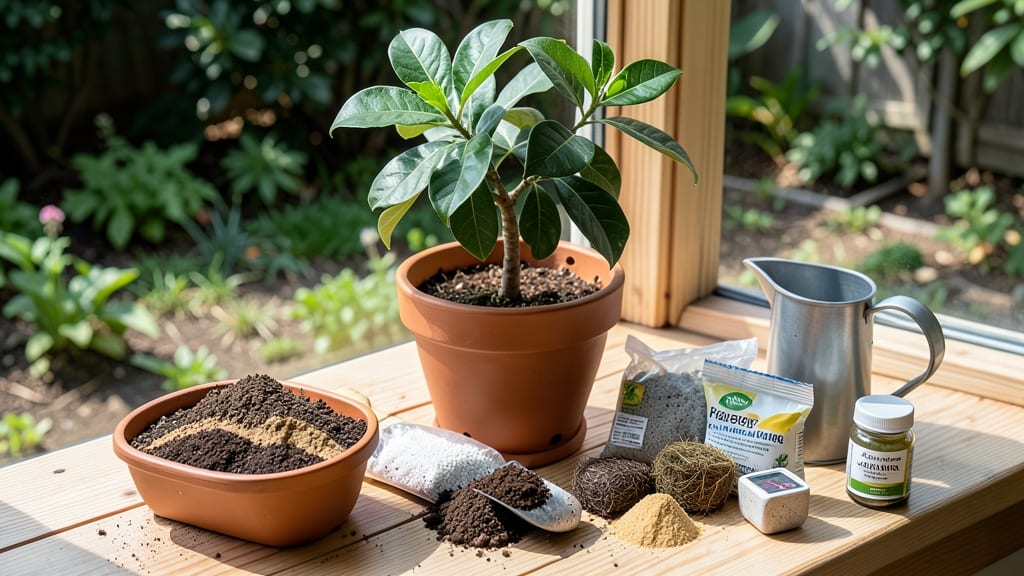
Crafting the perfect avocado soil mix recipe means the difference between a thriving tree and one struggling with root rot. 🌱 Avocados need a well-draining, aerated blend that mimics their native volcanic soil—sandy yet rich in organic matter.
Too many gardeners use regular potting mix and end up with soggy roots and fungal issues, even with neem oil. The secret lies in the 3:2:1 ratio of coconut coir, perlite, and composted bark.
Coconut coir holds moisture without suffocating roots, perlite prevents compaction, and composted bark adds slow-release nutrients while keeping the mix light. For extra fungal protection, add 1 tablespoon of neem cake per gallon of mix—it’s organic, prevents damping-off, and keeps those pesky pathogens at bay.
When you plant, use a 12-inch-deep hole twice as wide as the root ball, then fill the sides with your custom mix before backfilling. Water lightly to settle the soil, but avoid overwatering—the roots need air almost as much as moisture.
This blend works for both potted avocados and in-ground planting, though containers need slightly more perlite to prevent waterlogging. The payoff? Faster root establishment, fewer fungal issues, and a tree that puts energy into growth instead of fighting soggy soil.
Once established, your avocado will reward you with shockingly lush foliage and a stronger immune system—no more wilting leaves or mysterious yellowing. Ready to mix yours?
📚 In This Guide
- What you need
- Instructions
- Tips and common mistakes
- Wrapping up and next steps
What you need
- ● Potting soil: 60% of the mix (use a high-quality, well-draining blend like cactus/succulent mix or pearlite-heavy soil). Quantity: ~2 parts (e.g., 4 cups for a 6.5-quart mix).
- ● Perlite or pumice: 20% for aeration. Quantity: ~1 part (e.g., 2 cups).
- ● Coconut coir or peat moss: 10% for moisture retention. Quantity: ~0.5 parts (e.g., 1 cup).
- ● Worm castings: 5% for nutrients. Quantity: ~0.25 parts (e.g., 0.5 cups).
- ● Neem oil (organic, cold-pressed): 1 tsp per gallon of mix (or 0.5 tsp per quart) for fungal prevention.
- ● Water: Enough to moisten the mix (avoid sogginess!).
- ● Large mixing container: A sterilized bucket or wheelbarrow (5+ gallons).
- ● Measuring cups/spoons: For precise ratios.
- ● Gloves & mask: To avoid inhaling dust (especially perlite/peat).
- ○ Spray bottle (optional): For diluting neem oil in water before mixing.
- ○ pH testing kit (optional): Ideal pH for avocados: 6.0–7.0.
How to create the perfect avocado soil mix with neem oil protection
This fungal-resistant blend keeps avocado roots thriving while preventing common diseases.
🌱 Step 1: Combine Base Components for Optimal Drainage
Start by mixing 4 parts coconut coir with 3 parts perlite—this creates the airy, well-draining foundation avocado roots crave. I sift the perlite first to remove any fine particles that could compact later. The coir should be moist but not dripping; squeeze a handful to check—it should hold shape without leaving water marks.
Next, fold in 2 parts compost (well-aged, not fresh) to provide nutrients without risking fungal overgrowth. I use a large plastic bin for mixing to avoid spills, and I always wear gloves—compost can harbor hidden pathogens. The texture should resemble damp sand with visible air pockets when pressed gently.
💧 Step 2: Incorporate Neem Oil for Fungal Prevention
Dilute 1 tablespoon of neem oil in 1 quart of warm water and stir thoroughly. This creates a natural fungicide that won't harm roots but will prevent damping-off and root rot. I add this mixture last to preserve its potency—neem oil breaks down when exposed to sunlight or high heat.
Pour the diluted neem solution over the dry mix and stir until evenly distributed. The soil should smell faintly of neem (like a mild citrus) without overpowering odor. Let the mixture sit for 15 minutes to allow the oil to fully absorb into the coir fibers. This waiting period is critical—rushing it means uneven protection.
☀️ Step 3: Adjust pH and Test Moisture Balance
Avocados thrive in slightly acidic soil with a pH between 5.5 and 6.5. If your tap water tests above 7.0, add 1 teaspoon of sulfur per gallon of mix to lower the pH gradually. I test with a simple pH meter after mixing—anything outside this range stresses roots and slows growth.
Press the finished mix into a container to check moisture retention. It should feel like a damp sponge—squeeze it firmly, and a few drops of water may appear, but it shouldn't drip. This balance prevents both waterlogging and dehydration. I always keep a backup batch on hand because avocado roots dry out faster than most plants.
✂️ Step 4: Layer and Plant for Maximum Root Health
Fill your avocado container with 2 inches of gravel at the bottom for drainage, then add 3 inches of your prepared mix. Tap the pot gently to eliminate air pockets, which can create weak root zones. I plant the avocado pit or seedling in the center, ensuring the top of the root ball sits ½ inch below the rim—this prevents stem rot from splashing water.
Water immediately after planting, but only until water runs freely from the drainage hole. Let it drain completely before placing the pot in its final location. The first few weeks are critical—watch for yellowing leaves, which usually means overwatering or poor drainage. If this happens, flush the soil with fresh water to reset the mix.
🌿 Step 5: Maintain Soil Integrity Through Growth Stages
Every 4-6 weeks, top-dress with ½ cup of worm castings to replenish nutrients without disrupting the neem oil balance. I avoid commercial fertilizers—they often raise soil pH and introduce salts that harm avocado roots. Instead, I mix the castings into the top ½ inch of soil and water lightly to settle them.
Rotate the pot ¼ turn weekly to ensure even light exposure, which prevents leggy growth. You'll notice stronger stems and darker green leaves within two weeks of consistent care. If mold appears on the soil surface, sprinkle 1 teaspoon of cinnamon over the top—it acts as a natural antifungal while the neem oil works below the surface.
Tips & tricks for perfect avocado soil mixes
Here's what nobody tells you about crafting the ideal fungal-resistant growing medium for your avocado plants.
Texture is Everything: When mixing the 4 parts coconut coir with 3 parts perlite in Step 1, think of it like making a perfect cake batter—you want that fluffy, airy consistency. After combining, press a handful firmly; it should hold its shape but still feel light, almost like a damp sponge. If it feels too dense, add a little more perlite. This texture mimics avocado roots' natural environment, preventing compaction that leads to poor drainage and root rot. The key is that air pockets should be visible when you press gently—this ensures oxygen reaches those delicate roots.
Neem Oil Application Timing: That 15-minute waiting period after adding the neem solution in Step 2 isn't just arbitrary—it's when the magic happens. During this time, the neem oil fully integrates into the coconut coir fibers, creating an even protective barrier against fungal pathogens. I've learned this the hard way: skipping the wait means uneven protection, and you'll see fungal spots appear in weak areas first. For best results, work in a shaded area during this time—direct sunlight breaks down the neem oil's effectiveness before it can fully absorb.
pH Testing Shortcut: While testing the pH between 5.5 and 6.5 in Step 3 is crucial, I've found a simple visual trick to verify you're in the right range without a meter. After adding sulfur if needed, press a small amount of the mix between your fingers and smell it. At the right pH, it should have a faintly acidic scent—like a fresh apple. If it smells neutral or slightly sweet, your pH is too high. This shortcut works because avocados naturally produce slightly acidic compounds in their roots, and the soil should complement this chemistry. Remember, even a 0.5 pH point difference can stress your avocado plant over time.
Gravel Layer Hack: When adding the 2 inches of gravel in Step 4, don't just dump it in—create a pyramid shape with the largest stones at the bottom and smaller ones toward the top. This creates better drainage channels while still supporting the soil above. I also recommend using lava rock if you can find it; its porous surface provides additional aeration benefits. The gravel layer isn't just for drainage—it also prevents the soil from becoming waterlogged during heavy watering sessions, which is especially important for avocado roots that hate soggy conditions.
Pro Tips for Avocado Soil Mix Recipe
- Here's what nobody tells you about crafting the ideal fungal-resistant growing medium for your avocado plants.
- Texture is Everything: When mixing the 4 parts coconut coir with 3 parts perlite in Step 1, think of it like making a perfect cake batter—you want that fluffy, airy consistency.
- Neem Oil Application Timing: That 15-minute waiting period after adding the neem solution in Step 2 isn't just arbitrary—it's when the magic happens.
Frequently asked questions
How often should I repot my avocado tree with this soil mix?
Repot your avocado every 2–3 years or when roots outgrow the pot. Young trees need annual repotting, while mature ones (over 5 years) can stay put longer. Always use fresh neem oil-boosted mix to prevent fungal buildup and encourage healthy root growth.
Can I substitute neem oil with another antifungal?
Yes! If neem isn’t available, try copper fungicide or baking soda spray (1 tsp baking soda + 1 quart water). However, neem oil is gentle yet effective and doubles as a fertilizer. Just avoid synthetic chemicals—they can harm your avocado’s sensitive roots.
How long does it take for the soil mix to “activate” its antifungal properties?
The neem oil’s antifungal benefits start immediately upon mixing, but full protection takes 1–2 weeks as microbes balance in the soil. For faster results, lightly water the mix after planting and apply a neem oil spray to the leaves too.
What do I do if my avocado leaves turn yellow or brown?
Yellow/brown leaves often signal overwatering or fungal stress. Let the soil dry slightly between waterings, and reapply neem oil (1 tsp per gallon of water) every 4–6 weeks. Prune damaged leaves to redirect energy to healthy growth.
Is this mix safe for other tropical plants?
Absolutely!
This recipe works for citrus trees, mangoes, and even herbs like basil. The coconut coir + perlite combo improves drainage, while neem oil wards off pests common to tropical plants. Just adjust watering—succulents need less moisture than avocados!
Wrapping up and next steps
Creating your avocado soil mix recipe with neem oil is a game-changer for fungal-free, thriving plants! 🌱 This blend ensures your avocado trees get the perfect balance of nutrients, aeration, and natural protection.
Whether you're a seasoned gardener or just starting, this simple yet powerful mix will set your plants up for success.
Now that you're armed with the know-how, roll up your sleeves and get growing! Start with a small batch, monitor your plant’s progress, and soon, you’ll be harvesting lush, healthy avocados—all thanks to your homemade, neem-boosted soil mix. Happy gardening! 🌿✨