
Trees
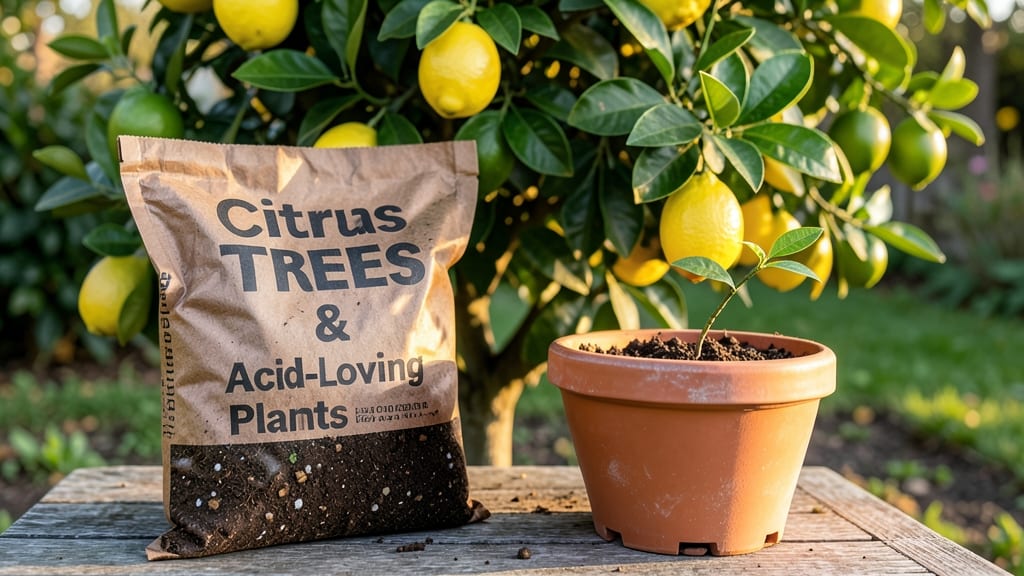
Your citrus trees deserve soil that mimics their Mediterranean roots—that acidic loam blend is the secret to vibrant foliage and sweet fruit. 🌿 I’ve learned the hard way that regular potting mix leaves roots struggling, but the right mix transforms even small containers into thriving citrus homes.
The key? A balance of organic matter, gritty texture, and just the right acidity to keep leaves glossy and growth steady.
Start with 50% peat moss or coconut coir for that essential acidity (citrus hate alkaline soil), then add 30% perlite or coarse sand to prevent soggy roots—citrus trees despise wet feet. The remaining 20% should be compost or worm castings for nutrients, but avoid fresh manure (it burns tender roots).
For containers under 15 gallons, add a handful of orange tree-specific fertilizer at planting to give them a head start.
What you’ll end up with is a soil mix that drains fast enough to prevent root rot but holds enough moisture to keep leaves plump. The texture should feel like a damp sponge—not compact like clay, not powdery like sand.
Your trees will reward you with shiny new leaves every 3-4 weeks and fruit that tastes like summer, even in winter.
This mix works for lemon, lime, orange, and kumquat trees in pots of any size, but larger containers (20+ gallons) need extra perlite to prevent compaction over time.
For seasonal adjustments, fluff the top inch of soil every few months—citrus roots love air, and a quick aeration keeps them happy for years.
📚 In This Guide
- What you need
- Instructions
- Tips and common mistakes
- Wrapping up and next steps
What you need
- ● 50% Peat Moss or Coco Coir – Holds moisture while ensuring aeration (2 parts). Pro tip: Coco coir is eco-friendly and retains moisture better than peat!
- ● 30% Perlite or Pumice – Improves drainage and prevents compaction (1.5 parts). Bonus: Perlite also adds lightweight fluffiness!
- ● 20% Sand (Coarse or Horticultural) – Enhances drainage and mimics natural soil (1 part). Warning: Avoid fine sand—it clumps and suffocates roots!
- ● Citrus-Specific Fertilizer (Slow-Release) – Blend in 1–2 cups per 5 gallons of mix for essential nutrients like nitrogen, phosphorus, and potassium.
- ○ Lime (Optional but Helpful) – Adjusts pH if your mix runs too acidic (start with ½ cup per 5 gallons). 💡 Tip: Test pH first—citrus thrives at 6.0–7.0!
- ● A large mixing container (wheelbarrow or 5-gallon bucket) for blending.
- ● Garden gloves and a mask (to avoid dust from perlite/sand).
- ● pH testing kit (to monitor acidity levels).
- ● Watering can or hose (for moistening the mix before use).
- ● Pot with drainage holes (1–2 sizes larger than the tree’s root ball).
- ● Worm castings (½ cup per 5 gallons) for extra nutrients.
- ● Composted bark (10%) for texture and slow-release nutrients.
- ● Citrus micronutrients (like iron or magnesium) if your soil tests deficient.
Step-by-Step guide to mixing the perfect potting soil for citrus trees
Citrus trees thrive in well-draining, slightly acidic soil that mimics their Mediterranean roots.
🌱 Step 1: Gather the Right Base Materials
Start with a blend of 40% peat moss or coconut coir—this holds moisture while allowing airflow. I use 30% perlite to prevent compaction, which citrus roots despise. The final 30% goes to sand (coarse, not fine), ensuring drainage. Never use garden soil—it compacts and suffocates roots.
Mix these dry first in a wheelbarrow or large container. I like to sift the perlite and sand together to avoid clumps. The texture should feel light, almost fluffy, like a fresh loaf of bread dough. If it feels dense, add a bit more perlite until it passes the "squeeze test"—when pressed, it should spring back instead of staying compacted.
💧 Step 2: Add Organic Matter for Nutrition
Stir in 2 cups of composted pine bark fines per 5 gallons of mix—this adds structure and a touch of acidity. I also include 1 cup of worm castings for slow-release nutrients. Citrus trees love organic matter but hate fresh manure, which can burn roots. Mix thoroughly until the blend looks uniformly dark with speckles of bark.
For extra acidity, add ½ cup of sulfur powder (per 5 gallons) if your tap water is alkaline. Test your mix by checking the pH—it should read between 5.5 and 6.5. If it’s too high, add more sulfur gradually. The goal is to mimic the slightly acidic soil of citrus native habitats.
✂️ Step 3: Adjust Texture for Optimal Drainage
Citrus trees rot if their roots sit in soggy soil. To test drainage, fill a pot with your mix and water it until it drains from the bottom. It should take 10-15 minutes to pass through completely. If water pools on top after 30 minutes, add 10% more perlite and remix. The ideal mix drains like a well-maintained sponge—quickly but not so fast that water runs straight through.
I like to add a handful of orchid bark chunks (about ½ inch) for extra aeration. These break down slowly, keeping the mix loose over time. Avoid using regular bark fines—they compact too easily. Once mixed, store your blend in a sealed bin until use to preserve its freshness.
☀️ Step 4: Prepare the Pot and Plant
Use a pot with drainage holes—citrus roots need oxygen as much as they need water. I line the bottom with ½ inch of gravel to prevent clogging. Fill the pot ⅓ full with your mix, then place the citrus tree so the root flare (where roots meet trunk) sits just above soil level. This prevents suffocation and encourages strong root growth.
Backfill gently, pressing lightly to remove air pockets but not compacting. Water thoroughly until moisture runs from the drainage holes, then let it drain completely. After planting, place the pot in bright, indirect light for a week to help the tree adjust. Overwatering now is the biggest mistake—citrus trees prefer slightly dry soil to soggy roots.
Tips & tricks for perfect citrus tree soil mix
Between us, citrus trees are divas—they demand just the right conditions to thrive. Here's what nobody tells you about crafting that ideal growing environment.
Texture is Everything: The "squeeze test" in Step 1 isn't just fluff—it's science. When you press your mix and it springs back like bread dough, you've got the perfect balance of air pockets and structure. Too dense? Add more perlite. Too loose? Mix in a bit of the composted pine bark fines to bind it slightly. Think of it like baking a cake: the right texture makes all the difference.
Acidity Matters More Than You Think: That ½ cup of sulfur powder in Step 2 isn't optional if your tap water tests alkaline. I've seen citrus trees struggle when the pH creeps above 6.5—leaves yellow, growth stunts. Grab a cheap pH test kit from the garden center and check your mix. If it's too high, add sulfur gradually—you can always adjust, but you can't fix over-acidification easily.
Drainage Test That Saves Trees: The 10-15 minute drainage test in Step 3 is your safety net. If water pools after 30 minutes, you've got a drainage problem that will lead to root rot. I've had to repot citrus trees because of this exact issue—don't make my mistake. Keep adding perlite in 5% increments until it drains properly. The goal is that sponge-like behavior: water should flow through but not rush straight out.
Pot Prep Prevents Problems: That ⅓ full initial fill in Step 4 isn't arbitrary—it leaves room for roots to establish without immediate suffocation. And that ½ inch of gravel? It's not just for looks. It creates a crucial air gap that prevents clogging while still allowing drainage. Pro tip: Use clean, coarse gravel—not those tiny pebbles that just turn to mud.
Pro Tips for Potting Soil For Citrus Trees
- Between us, citrus trees are divas—they demand just the right conditions to thrive.
- Texture is Everything: The "squeeze test" in Step 1 isn't just fluff—it's science.
- Acidity Matters More Than You Think: That ½ cup of sulfur powder in Step 2 isn't optional if your tap water tests alkaline.
Frequently asked questions
Got questions about potting soil for citrus trees?
You’re not alone! Here are answers to the most common queries to help you keep your citrus thriving in the perfect acidic blend.
What’s the best potting soil mix ratio for citrus trees?
For optimal drainage and aeration, aim for a 60% inorganic mix (perlite, pumice, or coarse sand) and 40% organic matter (peat moss or coconut coir). Add a handful of compost or worm castings for nutrients. Avoid heavy garden soil—citrus roots hate soggy feet!
When is the best time to repot a citrus tree?
Repot in early spring (before new growth starts) or late winter. If your tree is root-bound (roots circling the pot), act fast—citrus trees stress easily. Pro tip: Water thoroughly 1–2 days before repotting to reduce shock.
Can I reuse old potting soil for citrus trees?
Not ideal! Old soil loses nutrients and compacts over time. Replace 50–70% of the mix with fresh potting soil or a citrus-specific blend. Sterilize reused soil by baking it at 200°F (93°C) for 30 minutes to kill pests/diseases.
Why does my citrus tree’s leaves turn yellow even with the right soil?
Yellow leaves often signal overwatering, nutrient deficiencies (like iron or nitrogen), or poor drainage. Check for:
- Mushy roots (root rot) – reduce watering and improve drainage.
- Pale green/yellow leaves – add chelated iron or Epsom salt.
- Crispy edges – humidity may be too low (mist leaves or use a pebble tray).
Are there budget-friendly alternatives to premium citrus potting mixes?
DIY it! Combine:
- 50% peat moss or coconut coir (acidic base)
- 20% perlite or vermiculite (drainage)
- 20% compost or worm castings (nutrients)
- 10% coarse sand or pumice (aeration)
Skip the expensive pre-mixed bags—your wallet and tree will thank you! →
Wrapping up and next steps
Choosing the right potting soil for citrus trees is the secret to thriving, fruit-bearing plants that brighten your space with vibrant leaves and zesty flavors! 🍊 A well-drained, acidic loam blend—rich in organic matter and perlite—gives citrus roots the perfect balance of aeration and moisture.
Remember, consistency is key: monitor pH levels, avoid overwatering, and repot as your tree grows.
Now that you’re armed with the knowledge, roll up your sleeves and get planting! Start with a small pot, nurture your citrus tree with love (and the right soil mix), and watch it flourish. Happy gardening—your future harvest of oranges, lemons, or limes is just a season away! 🌱✨