
How To
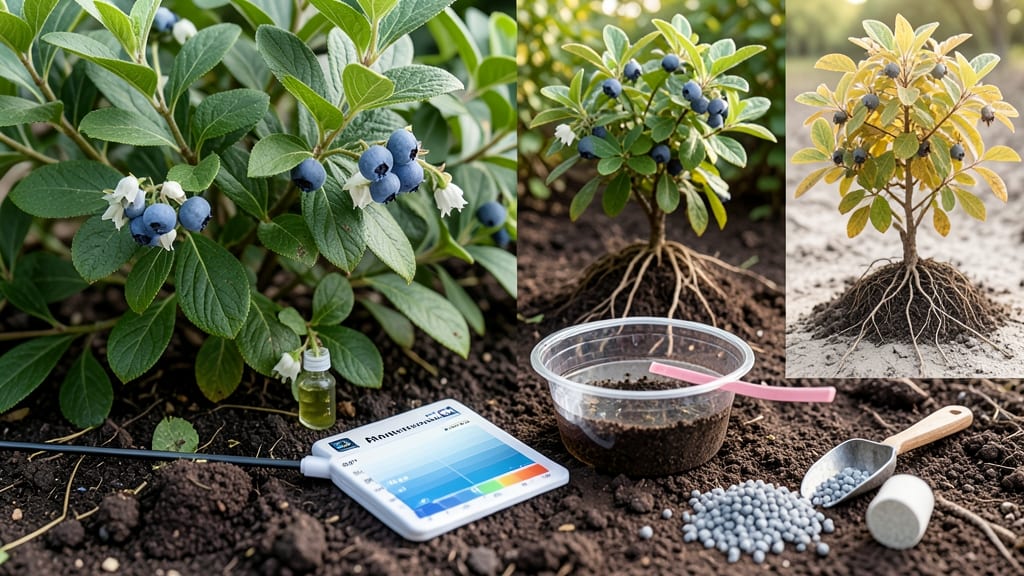
Soil pH is important because it determines how easily plants can access essential nutrients: levels between 6.0 and 7.0 create the perfect balance for root absorption of nitrogen, phosphorus, and potassium, while extreme pH levels lock out these minerals, leading to poor growth even in nutrient-rich soil.
Understanding soil pH is like having a master key to your garden's health.
The pH scale measures acidity or alkalinity, and even small shifts can drastically change what nutrients your plants can absorb. 🌱 For example, acidic soil (pH < 6.0) makes phosphorus more available but can lock up essential minerals like calcium and magnesium.
Conversely, alkaline soil (pH > 7.0) benefits some plants like lavender but stunts others, like blueberries, which thrive in acidic conditions. This is why testing your soil regularly and making adjustments with amendments like lime (to raise pH) or sulfur (to lower it) can transform your garden's productivity.
What's fascinating is how soil pH also affects microbial life. Beneficial bacteria and fungi that help break down organic matter and protect plant roots prefer neutral pH ranges. When pH swings too far, these helpful microbes struggle, weakening the soil ecosystem and indirectly harming your plants.
That's why maintaining that sweet spot isn't just about what your plants eat—it's about creating the right environment for all the unseen helpers in your soil.
💡 In This Article
- How Soil pH Affects Nutrient Availability and Plant Growth
- Testing and Adjusting Soil pH for Optimal Gardening
How soil pH affects nutrient availability and plant growth
The pH scale measures hydrogen ion concentration in soil, ranging from 0 (highly acidic) to 14 (highly alkaline). At the chemical level, pH influences how minerals dissolve and become available to plant roots.
For instance, iron—a crucial nutrient for chlorophyll production—becomes nearly inaccessible in alkaline soil (pH > 7.0) because it forms insoluble compounds like iron hydroxide. 🌱 In contrast, acidic soils (pH < 6.0) release more phosphorus, which is vital for root development and energy transfer in plants.
This explains why blueberries, which require acidic soil, develop chlorosis (yellowing leaves) when planted in neutral or alkaline conditions.
Root function also suffers when pH strays from the ideal range. In acidic soils, excess aluminum and manganese can become toxic, damaging root membranes and reducing water uptake. Meanwhile, alkaline soils often lead to calcium and magnesium deficiencies because these nutrients precipitate out of solution.
For example, tomatoes grown in soil with a pH of 8.0 may show stunted growth and poor fruit set due to locked-up phosphorus, even if the soil appears rich in organic matter. The key is that nutrient availability isn't just about quantity—it's about solubility, which pH directly controls.
Microbial activity plays an equally critical role. Beneficial soil bacteria and fungi thrive in pH ranges between 6.0 and 7.5, where they efficiently break down organic matter into plant-available nutrients. Outside this range, microbial populations decline, reducing nutrient cycling and increasing susceptibility to plant diseases.
For instance, mycorrhizal fungi—symbiotic partners that extend root systems—struggle in highly acidic or alkaline soils, weakening a plant's ability to absorb water and nutrients. This is why even well-fertilized plants may exhibit deficiencies when soil pH is imbalanced.
Different plants have evolved to tolerate specific pH ranges, which is why lavender flourishes in alkaline soils while hydrangeas change color based on soil acidity. The pH also affects how plants manage their own internal chemistry.
For example, in acidic soils, plants may take up more aluminum to balance their internal pH, but this can lead to toxicity. Conversely, in alkaline soils, plants may accumulate more sodium, disrupting potassium uptake.
Understanding these mechanisms helps explain why adjusting soil pH isn't just about making plants "happier"—it's about optimizing their physiological processes.
Consider the case of nitrogen, the building block of proteins and chlorophyll. In acidic soils, nitrogen exists primarily as ammonium (NH₄⁺), which is readily available but can leach away quickly.
In neutral to alkaline soils, it converts to nitrate (NO₃⁻), which is more stable but requires different microbial processes to become plant-available. This shift in nitrogen form alone can alter plant growth patterns, explaining why some vegetables thrive in slightly acidic soil while others prefer neutral conditions.
The interplay between pH, nutrient forms, and microbial activity creates a delicate balance that directly impacts plant health and productivity.