
Watering
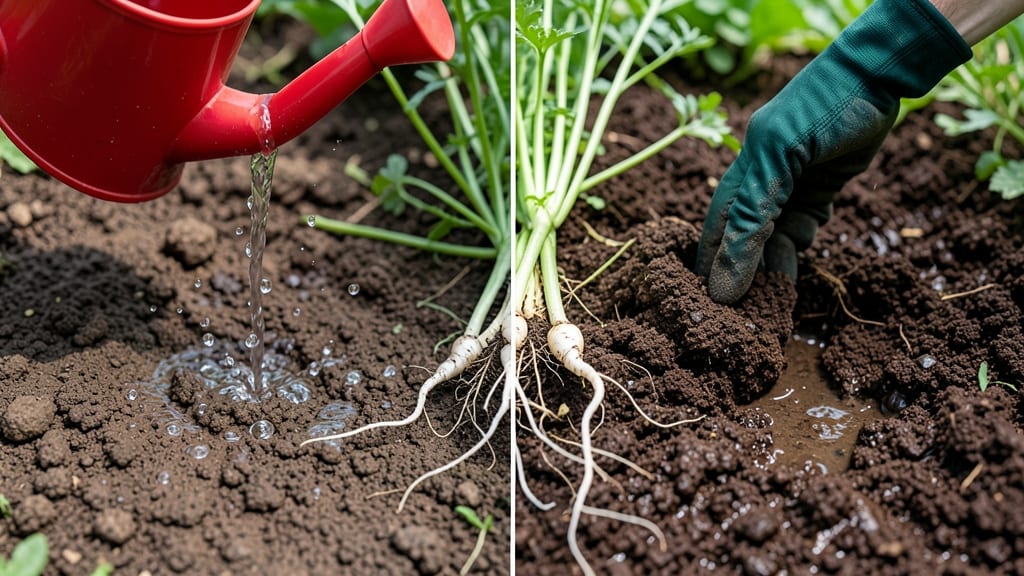
Your soil repelling water like a duck’s back is actually a common problem—hydrophobic soil happens when soil particles clump together, creating tiny air pockets that make water bead up instead of soaking in. 🌱 I’ve seen this turn a lush garden into a frustrating puddle situation, but the good news is it’s fixable with a few targeted steps that won’t break the bank or take all day.
The root causes? Overheated soil (think summer sun), lack of organic matter, or even too much sand or clay. When water just sits on top instead of sinking in, roots can’t drink, and your plants start to suffer—even if you’re watering like it’s your job.
The fix starts with breaking up those water-repelling barriers, and I’ll walk you through the simplest, most effective methods to restore that drinkable, plant-friendly texture.
By the end, you’ll have soil that drinks up water like a thirsty gardener at a hose—no more wasted gallons or wilting plants. We’re talking moisture retention that actually works, better root growth, and a garden that finally behaves the way it should.
The best part? These fixes work for both in-ground soil and container mixes, so no matter where your plants live, they’ll thank you.
Let’s tackle this step by step—no guesswork, just results. Your plants (and your water bill) will thank you.
The Real Culprits Behind Repellent Soil
If your soil is pushing water away like a greasy raincoat, don’t panic—it’s usually one (or more) of a few key factors at play. Understanding why your soil behaves this way is the first step to fixing it.
Here’s a breakdown of the most common causes, explained in plain terms with science-backed details.
When soil dries out too fast—especially under intense sun or high temperatures—organic matter (like decomposed leaves, compost, or plant debris) can decompose into water-repellent compounds.
These compounds, called hydrophobins or waxes, coat soil particles and create a barrier that causes water to bead up instead of soaking in.
This is most common in:
- Sandy or silty soils (which dry out faster than clay)
- Freshly tilled or disturbed soil (exposing organic matter to heat)
- Arid climates (where UV rays and heat accelerate the process)
💡 Pro Tip: If your soil feels hot to the touch or has a white, powdery crust on top, heat-induced hydrophobicity is likely the culprit. Mulching or watering deeply in the early morning or evening can help prevent this.
Certain chemicals can disrupt soil’s natural ability to absorb water, turning it into a hydrophobic nightmare. The most common offenders include:
- Synthetic detergents or soaps (from lawn cleaners, pet shampoos, or even dish soap runoff). These leave behind surfactants that repel water.
- High-sodium fertilizers (especially those with ammonium sulfate or urea). Excess sodium displaces calcium, weakening soil structure and reducing water retention.
- Pesticides and herbicides (like glyphosate or organophosphates). Some contain wetting agents that backfire, making soil hydrophobic over time.
- Petroleum-based products (like motor oil spills or old asphalt runoff). These coat soil particles with a greasy film.
🔍 Watch for these signs:
- Water sheets off the soil surface like oil on pavement.
- Plants wilting despite "watering" (because the water isn’t penetrating).
- A shiny or greasy residue on the soil after rain.
💡 Pro Tip: If chemicals are the issue, flush the soil with water (slowly, in deep applications) to dilute residues. For severe cases, gypsum (calcium sulfate) can help neutralize sodium buildup.
Soil that’s too tightly packed or lacks organic matter can’t hold water properly, leading to hydrophobic behavior. Here’s how it happens:
- Foot traffic or machinery (like lawnmowers or heavy boots) crushes soil particles, reducing pore space where water should infiltrate.
- Lack of organic matter (like compost or worm castings) means fewer hydrophilic (water-loving) compounds to attract moisture.
- High clay content (without enough sand or silt) can form hardpan, a dense layer that repels water.
🔍 Look for these clues:
- Soil that feels rock-hard when dry or sticky when wet.
- Water ponding on the surface instead of sinking in.
- Plants struggling to root deeply (roots can’t penetrate compacted layers).
💡 Pro Tip: Aerate your soil (with a garden fork or core aerator) and mix in compost or coconut coir to improve structure. For clay-heavy soil, gypsum or sand can help break up compaction.
Believe it or not, some plants and soils naturally produce water-repellent compounds as a survival mechanism. This is common in:
- Desert-adapted plants (like creosote bush or mesquite). Their fallen leaves and roots release waxes and resins that make surrounding soil hydrophobic.
- Coniferous trees (like pine, spruce, or cedar). Their needles and bark contain terpenes and tannins that repel water.
- Peat-based soils (found in bogs or poorly drained areas). Peat contains humic acids that can become hydrophobic when dried.
🔍 How to spot it:
- Soil near pine trees or evergreens that beads water even when moist.
- A dark, spongy layer (like peat moss) that resists water.
- Water forming droplets on the soil surface after rain.
💡 Pro Tip: If this is your issue, amend the soil with compost or biochar to counteract the natural repellency. For peat-based soils, sand or perlite can improve drainage.
Now that you know what’s causing your soil’s water-repelling behavior, the next step is fixing it—and we’ve got a 5-step plan to get your soil drinking up water like a thirsty plant again. 🌱
Fixing Hydrophobic Soil Step by Step
Now that you know why your soil is repelling water, let’s tackle the problem head-on with practical, science-backed solutions. The good news? Most fixes are simple, cost-effective, and can be done in a weekend.
Below, we’ve mapped common causes to easy fixes, plus prevention tips to keep your soil happy and hydrated for good.
If your soil is hydrophobic due to compaction, construction, or heavy foot traffic, the hydrophobic layer (often waxy organic compounds) needs to be disrupted. Here’s how:
🍳 Method 1: Wetting Agents (Fastest Fix)
Wetting agents are surfactants that reduce surface tension, helping water penetrate hydrophobic soil.
They’re the quickest solution for gardens, lawns, or containers. - How to use it: - Mix 1–2 tbsp of a liquid wetting agent (like Drip Control, Aqua Gro, or a DIY dish soap solution) with 1 gallon of water. - Water your soil thoroughly with this mixture, ensuring it soaks deep (at least 6 inches). - Repeat once a week for 3–4 weeks to break the repellent layer. - Pro tip: 💡 Avoid harsh soaps—they can harm microbes.
Use mild, plant-safe wetting agents or 1 tsp of liquid castile soap per gallon as a budget-friendly alternative.
👨🍳 Method 2: Manual Aeration (For Lawns & Gardens)
If your soil is compacted, loosening it helps water absorb better.
- For lawns: Rent a core aerator (or use a garden fork) to pull out small soil plugs.
- For gardens: Dig 1–2 inches deep around plants and mix in compost or sand to improve structure.
- Pro tip: ⏰ Do this after rain when soil is moist—it’s easier to work with!
If your soil lacks organic material (like compost or peat), it’s harder for water to stick around. Adding carbon-rich amendments helps retain moisture and improve structure.
🔪 Method 1: Compost or Well-Rotted Manure
- How to do it:
- Spread 2–3 inches of compost over the soil surface.
- Gently till it in (or let worms do the work over time).
- Water lightly to help it integrate.
- Pro tip: 🌡️ For sandy soil, mix in peat moss or coconut coir to boost water retention.
🥗 Method 2: Biochar or Vermiculite (For Extreme Cases)
If your soil is sandy or clay-heavy, these amendments can work wonders:
- Biochar (charred organic matter) improves water retention and microbial activity.
- Vermiculite holds moisture like a sponge.
- How to use: Mix 1 part amendment per 3 parts soil and water thoroughly.
Sometimes, how you water makes hydrophobic soil worse. Try these tweaks:
💧 Method 1: Deep, Slow Watering (Not Sprinklers!)
- Problem: Sprinklers create a water-resistant crust on top.
- Fix: Use a soaker hose or drip irrigation to deliver water slowly and deeply (1–2 inches per week).
- Pro tip: ✨ Water in the morning to reduce evaporation and fungal growth.
🌧️ Method 2: Pre-Wet Soil Before Heavy Watering
If your soil is already hydrophobic, pre-wetting helps:
- Lightly water the area 24 hours before a big rain or deep watering.
- This softens the crust, letting water soak in instead of beading off.
Once you’ve fixed the issue, prevent it from coming back with these habits:
| Cause | Prevention Tip |
|---|---|
| Compaction | Avoid walking on soil when wet; use mulch to protect it. |
| Lack of Organic Matter | Add compost annually (even a thin layer helps). |
| Overwatering | Use drip irrigation instead of sprinklers; water deeply but infrequently. |
| Chemical Runoff | Test soil for salt or pesticide buildup; flush with rainwater if needed. |
| New Construction | Re-amend soil after disturbances with compost or wetting agents. |
After 4–6 weeks, do the water drop test again:
- Place a few drops of water on the soil.
- If they soak in within 10 seconds, you’re on the right track!
- If not, repeat the wetting agent treatment or add more organic matter.
Remember: Hydrophobic soil is fixable—don’t let it stress you out! With a little effort, your plants will thank you with lush, thriving growth in no time. 🌱💦
Frequently asked questions
Why does my soil repel water even after watering?
This happens when soil particles develop a waxy coating from decomposed organic matter or chemical residues. Heat, drought, or certain fertilizers can trigger this reaction, creating tiny air pockets that make water bead up instead of soaking in. Think of it like trying to drink through a greasy straw—it just won’t work!
Can hydrophobic soil harm my plants?
When water can’t penetrate, roots struggle to absorb moisture, leading to wilting even when you’re watering regularly. Plants may show signs of drought stress like yellowing leaves or stunted growth. The worst part? They can’t access nutrients dissolved in water, which is like feeding them a dry meal.
How do I test if my soil is hydrophobic?
Do the water drop test: Place a few drops of water on bare soil. If they bead up and take longer than 10 seconds to soak in, your soil is hydrophobic. For a visual check, look for water pooling on the surface instead of disappearing into the soil—it’s a clear sign your plants aren’t getting the hydration they need.
Will mulch help fix hydrophobic soil?
Mulch won’t fix it alone, but it’s a great preventive measure! A 2-3 inch layer of organic mulch (like straw or wood chips) helps retain moisture, protects soil from extreme heat, and gradually adds organic matter as it breaks down. For existing hydrophobic soil, combine mulch with wetting agents or compost for best results.
How long does it take to fix hydrophobic soil?
With consistent treatment (like wetting agents + compost), you’ll typically see improvement in 4-6 weeks. For severe cases, it may take longer—especially if the issue is deep compaction or chemical buildup. Patience is key: keep testing with the water drop method and adjust your approach as needed.