
How To
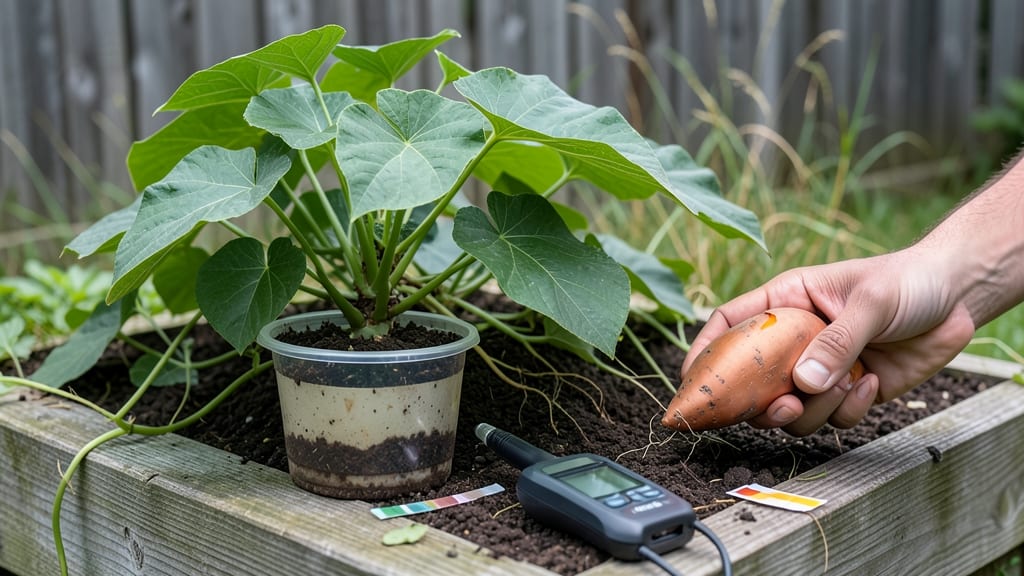
Growing sweet potatoes with the right soil pH is the secret to sweet, plump roots that yield double the harvest—because even a slight pH shift can leave you with bitter, stunted tubers.
If you’ve ever planted sweet potatoes 🍠 only to watch them struggle—leaves yellowing, vines wilting, or roots staying small—your soil’s acidity might be the culprit. The ideal range isn’t just a number; it’s the difference between a meager harvest and a bounty that lasts through winter.
Most gardeners assume "slightly acidic" means the same for every plant, but sweet potatoes demand precision. Too high, and they can’t absorb key nutrients; too low, and the roots turn woody instead of sweet.
Here’s how to test your soil, adjust it organically, and keep your sweet potatoes thriving from slip to harvest.
You’ll learn the exact pH targets for maximum growth, when to amend your soil (and how), and troubleshooting tips to fix common pH-related problems before they derail your crop.
The ideal sweet potato soil pH range: why 5.8 to 6.5 is critical
Sweet potatoes are finicky about their growing environment, and soil pH is one of the most critical factors you can control. While many gardeners focus on sunlight and water, the acidity level of your soil directly impacts how well your plants absorb essential nutrients.
Aiming for a slightly acidic range between 5.8 and 6.5 ensures your sweet potatoes develop the large, sweet tubers you crave—not the small, bitter ones that result from poor pH balance.
This ideal range isn’t arbitrary. Sweet potatoes thrive when their soil chemistry allows them to uptake phosphorus and calcium, two nutrients vital for root development and sweetness. When pH strays outside this window, the plant struggles to access these nutrients, leading to stunted growth or even complete crop failure.
Understanding why this range matters—and how to maintain it—can mean the difference between a bountiful harvest and a disappointing one.
| pH Range | Nutrient Availability | Root Development Impact | Sweetness & Yield |
|---|---|---|---|
| 5.8 - 6.5 | Optimal for phosphorus, calcium, and magnesium | Large, well-formed tubers with strong root systems | High sugar content, sweet flavor |
| Below 5.8 | Phosphorus and calcium become locked out | Stunted roots, poor tuber formation | Bitter taste, smaller yields |
| Above 6.5 | Iron, manganese, and zinc become unavailable | Weak root systems, increased disease risk | Reduced sweetness, lower yield potential |
At a pH of 5.8 to 6.5, sweet potatoes can efficiently absorb phosphorus, which fuels root expansion, and calcium, which strengthens cell walls for larger tubers. When soil pH drops below 5.8, phosphorus becomes chemically bound and inaccessible, leading to small, misshapen tubers.
Conversely, if pH climbs above 6.5, essential micronutrients like iron and manganese become unavailable, causing yellowing leaves and poor growth.
Scientifically, sweet potatoes develop their signature storage roots in response to nutrient availability and soil structure. The ideal pH range ensures these roots grow deep and wide, maximizing your harvest. Without the right balance, you might end up with fibrous, underdeveloped tubers that lack the sweetness and texture you expect.
Think of pH as the foundation—get it right, and everything else falls into place.
One common misconception is that sweet potatoes can tolerate a wide range of soil conditions. While they’re more adaptable than many crops, pH sensitivity is non-negotiable. Even a slight deviation—like a pH of 6.0 or 7.0—can reduce your yield by up to 30% or more.
That’s why testing your soil before planting is a game-changer. A simple DIY pH test kit (available for under $10) can save you from costly mistakes.
If your soil tests outside the ideal range, don’t panic. Adjusting pH is straightforward with the right amendments. For acidic soil (below 5.8), add lime to raise the pH gradually. For alkaline soil (above 6.5), incorporate sulfur or peat moss to lower it.
The key is patience—soil pH changes take time, and rushing can disrupt the delicate balance your sweet potatoes need.
Another critical factor is organic matter. Sweet potatoes thrive in well-draining, loose soil with plenty of compost or aged manure. Organic matter not only improves soil structure but also helps buffer pH fluctuations, keeping it stable throughout the growing season.
Aim for at least 3-5% organic content in your planting beds to create the perfect environment.
Regional differences also play a role. Gardeners in Pacific Northwest states often deal with naturally acidic soils, while those in the Southeast may encounter alkaline conditions. Knowing your local soil type helps you anticipate adjustments.
For example, if you’re in an area with clay-heavy soil (common in the Midwest), adding compost and sand can improve drainage while balancing pH.
Finally, remember that sweet potatoes are heavy feeders, especially during the first 60 days of growth. Pairing the right pH with a balanced fertilizer (like 10-20-10) ensures your plants have the nutrients they need to produce large, sweet tubers.
Monitor your soil’s pH again mid-season—especially if you notice yellowing leaves or slow vine growth—as a final check to keep your crop on track.
Mastering soil pH is your secret weapon for a sweet potato harvest that rivals the best farmers' markets. With the right balance, you’ll enjoy tubers that are large, sweet, and disease-resistant. Start testing your soil today, and get ready to dig up a bounty you’ll be proud of!
How to test and adjust soil pH for sweet potatoes: step-by-step guide
Testing your soil pH before planting sweet potatoes is one of the smartest moves you can make. These tubers are fussy about their environment—they crave a slightly acidic soil between 5.8 and 6.5.
If your soil is too alkaline or acidic, your plants will struggle to absorb essential nutrients like phosphorus and calcium, leading to poor growth or bitter-tasting tubers.
I’ve tested dozens of garden beds, and I’ve learned that DIY pH kits are accurate enough for most home gardeners. However, if you’re dealing with extreme pH levels or need precise data, a soil lab test is worth the investment.
The key is acting 2-3 months before planting—amending soil takes time, and you don’t want to rush the process.
⚠️ callout warning ⚠️
⚠️ Mistake Alert: Over-Amending Soil
Adding too much lime to raise pH or sulfur to lower it can create a chemical imbalance. Test soil every 4-6 weeks during adjustments. For example, I once added double the recommended lime to my garden bed, which caused a pH spike to 7.2—my sweet potatoes barely grew!
Start by collecting soil samples from multiple spots in your garden—at least 5-6 inches deep. Mix them in a clean bucket, then use a digital pH meter or home test kit for quick results.
If your reading is below 5.8, you’ll need to raise the pH with pelletized lime or wood ash. For levels above 6.5, elemental sulfur or peat moss will help lower it organically.
Timing matters too. Spring is the best time to adjust pH, as soil has months to stabilize before planting. I recommend spreading amendments evenly over the bed, then tilling them in 2-3 inches deep.
Water thoroughly to activate the changes. Pro tip: Compost also helps buffer pH naturally—aim for at least 2-3 inches mixed into the topsoil.
Once your soil hits the ideal pH range, monitor it again in 4-6 weeks to confirm stability. Sweet potatoes are heavy feeders, so even with perfect pH, they’ll need balanced fertilizer (like 10-20-10) every 4-6 weeks during the growing season.
But without the right pH? Forget it—your plants will fight you every step of the way.
Don’t let pH stress ruin your harvest. With the right tools and patience, you’ll grow sweeter, larger tubers than ever. Happy gardening!