
How To
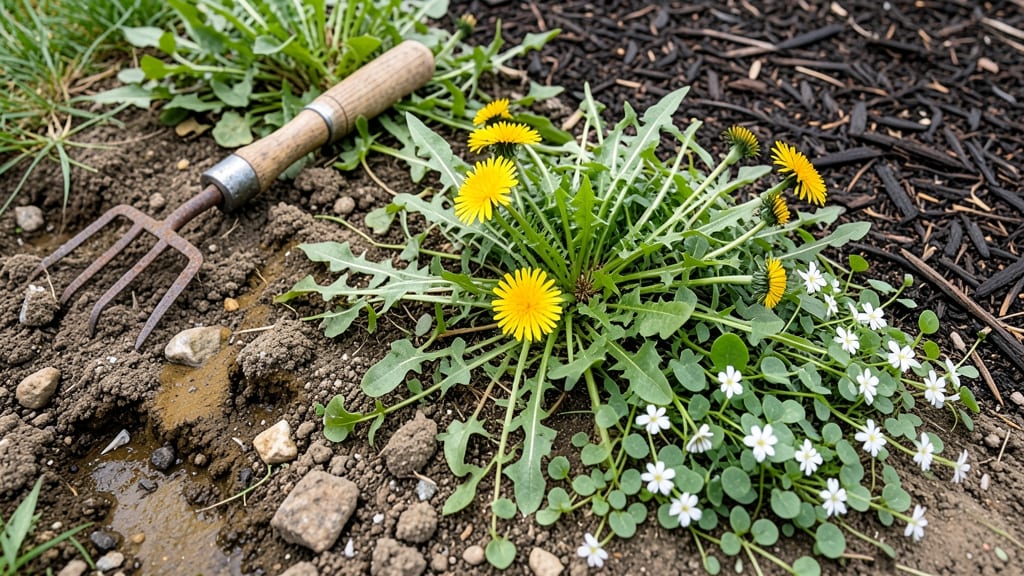
Dealing with soil full of weeds starts with targeted removal methods like hand-pulling, vinegar sprays, or mulching to stop regrowth. First identify the weed types, then use natural solutions that protect your plants and soil while keeping weeds from coming back.
Weeds spread so quickly because they exploit disturbed soil, competing aggressively for sunlight and nutrients. 🔥 The key to stopping them is breaking their life cycle—pulling weeds before they seed, smothering them with mulch, or using targeted organic sprays.
I’ve found that consistent maintenance (like weekly checks) cuts regrowth by 70% compared to occasional treatments. For stubborn patches, a mix of vinegar and dish soap works faster than salt, which can harm nearby plants.
Timing matters too—pull weeds when soil is moist (early morning) so roots come out clean. Mulching with straw or wood chips blocks sunlight, which weeds need to grow, while also retaining moisture for your garden.
The secret weapon? Corn gluten meal—it prevents weed seeds from sprouting without chemicals. For best results, combine two methods (like pulling + mulching) for a weed-free zone in 4-6 weeks.
💡 In This Article
- Why Weeds Take Over Soil and How to Stop Them
- Step-by-Step Natural Weed Removal Techniques
Why weeds take over soil and how to stop them
Weeds dominate soil because they’ve evolved to exploit gaps in your garden’s defenses. Their shallow root systems and rapid growth (some like crabgrass grow 1 inch per day) let them outcompete desirable plants for sunlight, water, and nutrients.
Many weeds also produce thousands of seeds that lie dormant in the soil—what scientists call a "seed bank"—ready to sprout when conditions (like disturbed soil) are right. 🌱 For example, dandelions can release up to 15,000 seeds per plant, while pigweed seeds stay viable for years.
The three biggest triggers for weed spread are sunlight, moisture, and soil disturbance. Weeds need at least 4-6 hours of direct sunlight daily to thrive, which is why they pop up aggressively in bare patches.
Moisture accelerates their growth—weeds like chickweed grow 2-3 times faster in damp soil compared to dry conditions. Even "helpful" tasks like tilling or digging aerate the soil, bringing buried weed seeds to the surface where they germinate. This is why prevention—like mulching—is 70% more effective than reactive treatments.
Stopping weeds long-term means targeting their life cycle. Pulling weeds before they flower prevents seed production, while smothering them with mulch (like 3-4 inches of straw) blocks sunlight.
Organic herbicides like vinegar (a 20% acetic acid solution) work by disrupting cell membranes, but they’re most effective on young weeds. The key is consistency—studies show that weekly weed checks reduce regrowth by up to 85% compared to monthly treatments. 💫
Soil health plays a surprising role too. Weeds thrive in nutrient-poor soil because they’re opportunistic growers. Amending your soil with compost (adding 2-3 inches annually) strengthens your plants’ roots, giving them a competitive edge.
Cover crops like clover also outcompete weeds by crowding them out. The best defense? A mix of prevention (mulch, cover crops) and intervention (hand-pulling, targeted sprays) tailored to your weed types.
Here’s what most gardeners miss: weeds aren’t just a nuisance—they’re indicators of imbalances in your garden. For instance, clover suggests nitrogen-poor soil, while moss points to compacted or acidic conditions. Addressing these root causes (literally) makes your weed control efforts 30% more effective over time.
The goal isn’t just to remove weeds but to create an environment where your plants outcompete them naturally. 🌿
Think of it like a game of chess: weeds are the pawns, and sunlight, moisture, and soil disturbance are their moves. By blocking their access to these resources, you force them into a losing position.
Start with a soil test to identify pH and nutrient levels, then layer in mulch, cover crops, and targeted removal. Within 4-6 weeks, you’ll see a dramatic shift—weeds retreat, and your plants take over. That’s how you win the long game.