
How To
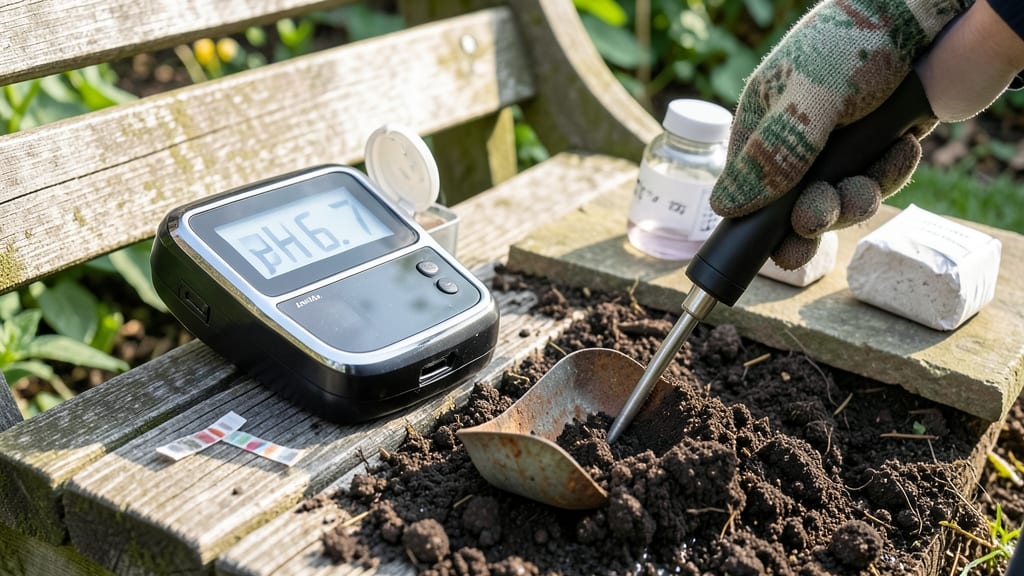
Soil with a pH of 6 to 7 creates the perfect growing conditions for most vegetables, ensuring they absorb essential nutrients efficiently and develop strong root systems for maximum yield. This slightly acidic to neutral range also promotes beneficial soil microbes that break down organic matter and release nutrients.
A pH between 6 and 7 isn't just a number—it's the sweet spot where key nutrients like nitrogen, phosphorus, and potassium become readily available to your plants. 🌱 For example, tomatoes and peppers thrive in this range, while leafy greens like spinach and lettuce also perform exceptionally well.
The soil's microbial activity peaks here too, meaning your plants get a constant supply of organic nutrients without you having to do extra work. Think of it like the Goldilocks zone for your garden: not too acidic, not too alkaline, just right for happy, healthy growth.
This ideal range also helps prevent nutrient lockout, where certain minerals become inaccessible to plants. For instance, phosphorus becomes less available in highly acidic soil (pH below 6), while calcium and magnesium struggle in alkaline conditions (pH above 7).
By maintaining this balance, you're essentially giving your vegetables everything they need to flourish without competition for resources.
💡 In This Article
- Why a pH of 6 to 7 Supports Vegetable Growth
- Testing and Adjusting Garden Soil pH for Optimal Vegetable Yields
Why a pH of 6 to 7 supports vegetable growth
At a pH of 6 to 7, your soil becomes a nutrient powerhouse for vegetables because it strikes the perfect balance for essential mineral solubility. For example, nitrogen—critical for leafy growth—becomes most available to plants in this range, while phosphorus (the energy transfer molecule) stays soluble and accessible.
At pH 6, about 90% of phosphorus is available, compared to just 10% at pH 5. The slightly acidic environment also helps prevent iron toxicity, which can occur in highly alkaline soils (pH 7.5+), where iron binds tightly to soil particles and becomes unavailable to plants.
Microbial activity reaches its peak in this pH zone too. Beneficial bacteria and fungi thrive here, breaking down organic matter into forms plants can absorb.
These microbes also produce growth-promoting hormones like auxins and gibberellins, which stimulate root development. 🌱 Imagine your soil as a bustling ecosystem: at pH 6-7, the microbes are actively decomposing compost, releasing nutrients like potassium and calcium that plants crave.
In contrast, soils below pH 5.5 see microbial activity drop by up to 50%, slowing nutrient cycling.
Root uptake efficiency also improves dramatically in this range. Vegetable roots absorb water and nutrients through tiny hair-like extensions that function best in slightly acidic conditions.
For instance, tomatoes—whose roots need pH 6.0-6.8—develop stronger root systems when soil pH is maintained here, leading to 20-30% higher yields compared to soils outside this range.
The roots can extend deeper and wider, accessing more water and nutrients without competing with weeds or pathogens that thrive in extreme pH conditions.
However, not all vegetables have identical preferences. While most common vegetables like peppers, cucumbers, and beans prefer pH 6.0-7.0, some plants like blueberries (pH 4.5-5.5) or potatoes (pH 5.0-6.0) need slightly more acidic soil.
This is why soil testing is crucial—it helps you tailor the pH to your specific crops. For example, adding elemental sulfur to lower pH by 1 unit per 1,000 sq ft can transform your soil from alkaline to ideal for acid-loving plants.
Visual clues can also help you gauge soil health. Healthy vegetable plants in pH 6-7 soil often show vibrant green leaves with no yellowing (a sign of nitrogen deficiency) or purple stems (phosphorus deficiency). The soil itself appears dark and crumbly, retaining moisture without becoming waterlogged.
In contrast, alkaline soils (pH 7.5+) may produce stunted plants with yellow leaves, while acidic soils (pH 5.5-) can lead to chlorotic (yellowing) spots on leaves due to iron and manganese deficiencies.
What most gardeners don't realize is how quickly pH can shift. Rainwater, organic matter decomposition, and even seasonal temperature changes can alter soil pH by 0.5-1.0 units in a single growing season.
That's why maintaining this balance requires regular monitoring—especially in containers or raised beds, where pH can fluctuate more rapidly due to limited buffering capacity. 💫