
Neem Oil
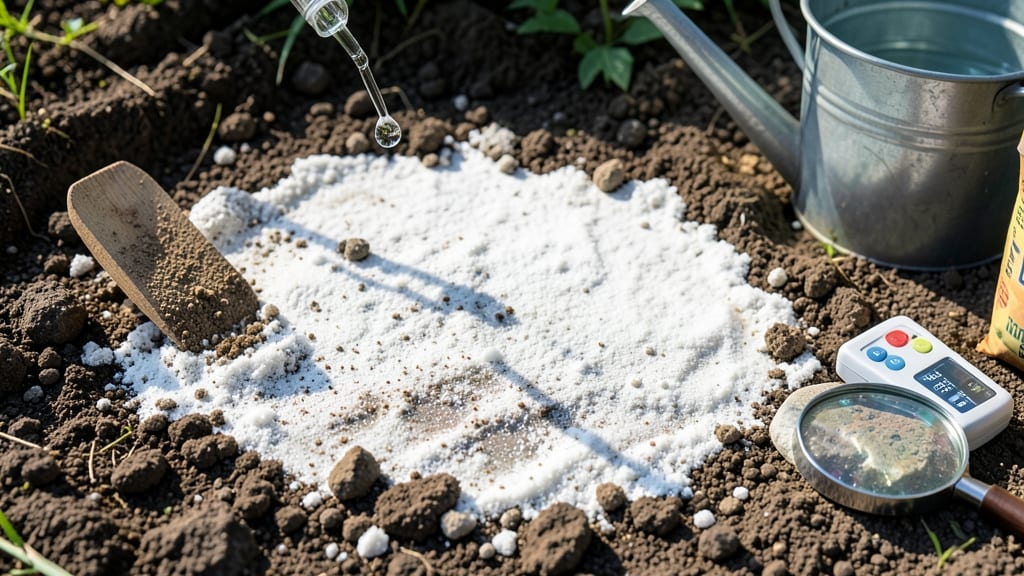
When the soil has turned white, it’s not just a cosmetic issue—it’s a cry for help from your plants. 🌱 I’ve seen this happen after overwatering, salt buildup, or even fungal growth, and the good news is that neem oil can often bring it back to life.
The key is acting fast before the problem spreads to your roots or leaves.
White soil usually means one of three things: salt accumulation from tap water, mold or mildew taking hold, or an excess of lime raising the pH too high. If it’s salt, flushing the soil with distilled water or rainwater works wonders.
For mold or lime issues, a mix of compost and neem oil can restore balance while preventing future outbreaks.
By the time you’ve adjusted the pH, improved drainage, and applied organic amendments, your soil will look dark and crumbly again—not to mention healthier for your plants. The best part? This process keeps your garden thriving without harsh chemicals.
If the problem persists after a few weeks, it might be time to test your soil’s pH or consult a local extension office. But in most cases, a little neem oil and patience go a long way toward reviving even the most troubled soil.
Why soil turns white
When your garden soil suddenly takes on a ghostly white hue, it’s rarely a sign of magic—it’s a cry for help from your plants. Understanding the root causes of this transformation is the first step to restoring balance.
Below, we break down the most common reasons your soil might be turning white, from microscopic invaders to environmental shifts.
One of the most common culprits behind white soil is fungal activity, particularly powdery mildew or root rot fungi. These organisms thrive in damp, poorly ventilated conditions and leave behind a chalky, white residue as they spread.
- How it happens: Fungal spores land on organic matter (like mulch or decaying leaves) and release enzymes that break down soil compounds, creating a white, powdery film. Some fungi, like Trichoderma, can also produce white mycelium networks.
- Signs to watch for:
- A fuzzy or cottony texture on soil surfaces.
- White patches that spread rapidly after watering.
- Stunted plant growth or yellowing leaves (a sign the fungi are stressing roots).
- Actionable fix: Apply neem oil (a natural fungicide) or introduce beneficial fungi like mycorrhizae to outcompete the invaders. Improve airflow with raised beds or gravel.
White crusts or streaks in soil often signal excessive salts or minerals, usually from over-fertilization, hard water irrigation, or poor drainage. These deposits leave a white, crystalline residue that can harm plant roots.
- How it happens:
- Water evaporates, leaving behind dissolved salts (like calcium carbonate or sodium chloride).
- Synthetic fertilizers (especially high in nitrogen or potassium) can accelerate this process.
- Clay-heavy soils trap salts near the surface, creating a white layer.
- Signs to watch for:
- White, flaky deposits on the soil surface.
- Plants wilting despite moist soil (salts disrupt water uptake).
- A bitter or metallic taste if you lick the soil (yes, really—don’t do this often!).
- Actionable fix:
- Flush the soil with rainwater or distilled water to leach out salts.
- Add organic matter (compost or peat moss) to improve drainage.
- Switch to slow-release organic fertilizers to avoid spikes in mineral levels.
Some pests leave behind white residues as they tunnel through soil or feed on organic material. Termites, ants, and even root-feeding mites can create white, powdery trails or hollowed-out areas.
- How it happens:
- Termites consume cellulose (wood, mulch) and excrete white, chalky frass (insect waste).
- Ants may carry white, powdery algae or fungal spores in their nests.
- Mites burrow into roots, leaving behind white, thread-like castings.
- Signs to watch for:
- Small holes or tunnels in the soil.
- Visible insect trails or swarms near the white patches.
- Plants suddenly wilting or dying despite no visible fungal growth.
- Actionable fix:
- Apply neem oil or diatomaceous earth to disrupt insect life cycles.
- Introduce beneficial nematodes to target underground pests.
- Remove affected mulch or debris to break their food source.
In colder climates, repeated freezing and thawing can physically alter soil structure, causing white, powdery deposits. This happens when ice crystals expand, breaking down minerals into fine, chalky particles.
- How it happens:
- Water in soil freezes, expands, and shatters rock or mineral fragments.
- Thawing releases these particles as a white, sandy residue.
- Common in clay or loamy soils with high mineral content.
- Signs to watch for:
- White, gritty texture after frost events.
- Soil appears "fluffier" or more powdery post-thaw.
- No signs of fungal growth or pest activity.
- Actionable fix:
- Add organic mulch (straw or leaves) to insulate soil and reduce freeze-thaw stress.
- Amend soil with compost to improve structure and resilience.
- Avoid tilling frozen soil to prevent further disruption.
Now that you know the why, the next step is addressing the issue—starting with neem oil’s natural, fungal-fighting properties to restore your soil’s health. 🌱
Revive Your Soil Naturally Now
Now that you understand why your soil turns white—whether from fungal growth, salt buildup, or mineral deposits—it’s time to take action! The good news? Most of these issues can be reversed with simple, neem oil-based solutions and a few proactive habits.
Below, we’ll map the cause to the fix, so you can restore your soil’s health without harsh chemicals.
Fix: Neem oil is your secret weapon—it’s a natural fungicide that disrupts fungal cell membranes while feeding beneficial microbes.
- 🌿 Apply Neem Oil Spray - Mix 1 tbsp neem oil with 1 tsp mild liquid soap (as an emulsifier) and 1 quart of water. - Spray evenly over the soil surface, focusing on white patches.
Reapply every 7–10 days until the issue clears. - Pro tip: 💡 For stubborn fungal spots, add 1 tsp baking soda to the mix—it boosts alkalinity, making the environment less hospitable for mold.
- 🌱 Improve Airflow & Drainage
- Fungal growth thrives in compacted, soggy soil. Loosen the top 2–3 inches with a fork or trowel to enhance aeration.
- If your pots lack drainage holes, drill them or repot into containers with better airflow.
- 🔄 Introduce Beneficial Microbes
- Sprinkle compost or worm castings over the soil to crowd out harmful fungi with beneficial bacteria.
- Bonus: 🌡️ Maintain soil temps between 60–75°F (15–24°C)—fungi love cool, damp conditions.
Prevention: ✅ Water in the morning (not at night) to reduce humidity. ✅ Avoid overhead watering—use drip irrigation or a watering can with a narrow spout. ✅ Sterilize tools between uses with rubbing alcohol to prevent spreading spores.
Fix: White crusty residue is often sodium, calcium, or chlorine left behind by tap water or fertilizers. Flush it out gently!
- 💦 Leach the Soil
- Water the soil slowly and deeply until water runs freely from the drainage holes. Repeat 2–3 times to wash away salts.
- For potted plants: Place the pot in a sink and let it soak for 10 minutes, then drain.
- 🌧️ Use Rainwater or Filtered Water
- Tap water is often high in minerals. Switch to rainwater (collected in a clean barrel) or reverse-osmosis filtered water to prevent future buildup.
- 🍃 Amend with Organic Matter
- Mix in 1–2 inches of peat moss or coconut coir to improve water retention and dilute salt concentrations.
- Pro tip: ✨ Add a thin layer of perlite (10%) to the topsoil to prevent crusting.
Prevention: ✅ Test your water—if it’s hard (high in minerals), use a chelating agent like EDTA (available at garden centers). ✅ Flush soil monthly with plain water to stay ahead of buildup. ✅ Choose slow-release fertilizers to avoid sudden salt spikes.
Fix: White powder from fertilizers or pesticides? It’s time to detoxify your soil safely.
- 🚿 Rinse Thoroughly
- Give the soil a gentle shower with water, then let it dry completely in sunlight (UV light helps break down some chemicals).
- 🌿 Add Activated Charcoal or Biochar
- Sprinkle 1 cup of activated charcoal (food-grade) into the top 4 inches of soil. It absorbs toxins like a sponge.
- Alternative: 🔥 Use composted hardwood ash (sparingly) to neutralize excess salts.
- 🌱 Plant Soil-Cleaning Crops
- Grow sunflowers, mustard greens, or clover—they extract heavy metals and chemicals from the soil.
- After harvesting, compost the plants (if no severe contamination) or discard them.
Prevention: ✅ Follow fertilizer labels—never exceed recommended doses. ✅ Space out applications—let soil rest 4–6 weeks between feedings. ✅ Opt for organic fertilizers (like fish emulsion or seaweed extract) to reduce chemical residue.
No matter the cause, these weekly habits will keep your soil healthy and white-free:
- 🌞 Sunlight: Place pots in bright, indirect light (fungi hate UV rays).
- 💧 Hydration Check: Stick your finger 1 inch deep—water only if dry.
- 🍂 Mulch Lightly: Use straw or shredded leaves (1 inch thick) to prevent evaporation and fungal spores from splashing up.
- 🔄 Rotate Plants: If growing in containers, swap plants seasonally to avoid soil depletion.
Final Thought: 🎯 With neem oil as your ally and these targeted fixes, your soil will go from white and struggling to dark, crumbly, and thriving in weeks. Start with the cause that matches your soil’s symptoms, and soon you’ll be growing lush, fungal-free plants!
Frequently asked questions
Is white soil always a sign of fungus?
Not necessarily! While fungal growth is a common cause, white soil can also result from salt buildup, lime deposits, or even physical weathering from freeze-thaw cycles. Always check for other signs like plant wilting (salts) or fuzzy textures (fungus) to diagnose correctly.
Can I still use the soil if it's turned white?
Yes, but you'll need to treat it first. If it's fungal, apply neem oil and improve drainage. For salts, flush with distilled water. If the white residue is just mineral deposits, amending with compost often restores balance. Just avoid using it until you've addressed the underlying issue.
How quickly will neem oil fix white soil?
With consistent application (every 7-10 days), you should see improvement in 2-4 weeks. For severe cases, combine neem oil with compost and better drainage. Fungal issues respond fastest, while salt buildup may take longer to fully flush out.
Will my plants recover if the soil is white?
It depends on the cause. If it's fungal, plants may recover quickly with treatment. For salt buildup, roots might need time to heal. In either case, addressing the soil issue first gives plants the best chance. Monitor for wilting or yellowing leaves as signs of stress.
Can I prevent white soil in the future?
Use rainwater instead of tap, improve drainage, and apply neem oil preventatively. Mulch with straw to reduce evaporation, and avoid over-fertilizing. Regular soil testing helps catch potential issues before they become visible.