
How To
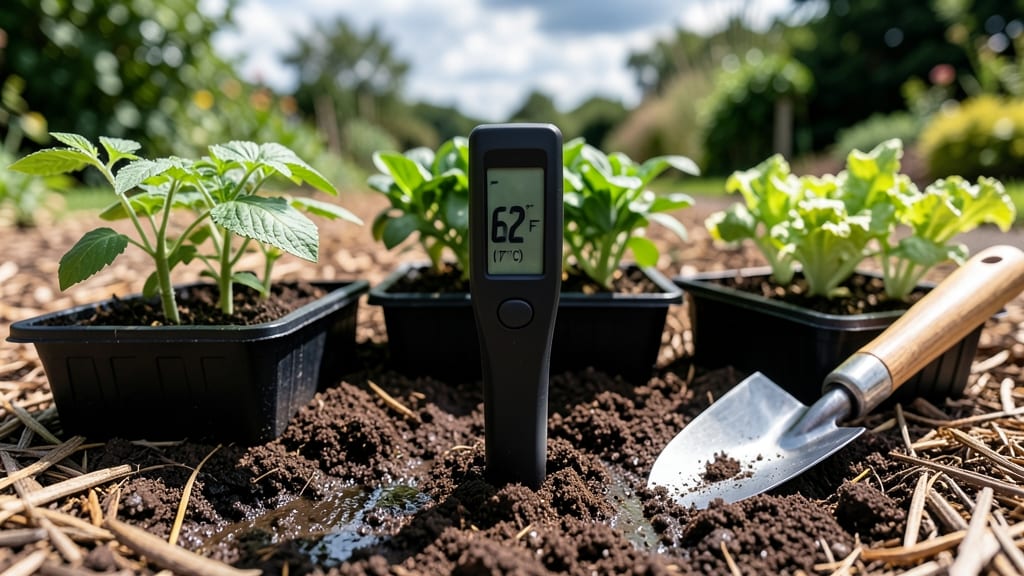
Soil temperature for planting determines whether seeds will germinate properly, with ideal ranges spanning 40°F to 95°F (4°C–35°C). Cool-season crops like spinach and peas thrive at 35–55°F (2–13°C), while warm-season favorites such as peppers and cucumbers need 60–90°F (16–32°C). Always check soil 2–4 inches deep before sowing.
Getting the right soil warmth is like giving your plants the perfect starting line—too cold and they won't budge, too hot and they might overheat. 🌱 For instance, beans and corn need soil at 60°F (16°C) or warmer to break dormancy, while lettuce and radishes can handle chilly 40°F (4°C) soils.
I’ve learned that even a 10°F (5°C) difference can delay germination by weeks, so timing matters more than you’d think. A simple soil thermometer (around $15) saves guesswork and keeps your garden on track.
Regional climate plays a huge role too—northern gardeners often use black plastic mulch to warm soil faster in spring, while southern growers might delay planting until late summer to avoid heat stress.
Pro tip: If your soil runs cooler than ideal, try planting in raised beds or using cold frames to create microclimates where sensitive crops can thrive.
💡 In This Article
- How Soil Temperature Affects Seed Germination
- Seasonal Soil Temperature Guides for Planting Success
How soil temperature affects seed germination
The magic of germination starts with enzymes inside seeds, which only activate when soil reaches specific temperature thresholds. Think of these enzymes as tiny chefs that need the right heat to break down stored nutrients and kickstart growth.
For example, lettuce seeds contain enzymes that work best at 50°F (10°C), while tomato seeds need their internal chemistry fired up at 70°F (21°C). When soil is too cold, these enzymes slow down or shut off completely, leaving seeds dormant—sometimes for years.
This temperature sensitivity explains why some crops fail to sprout even with proper moisture. Peppers, for instance, won't germinate below 65°F (18°C) because their enzymes require this warmth to break seed coats and initiate root growth.
Conversely, overheat soil above 90°F (32°C), and you'll trigger premature sprouting that dries out before emerging. The sweet spot for most vegetables falls between 60-80°F (16-27°C), where enzymes operate at peak efficiency while preventing stress.
What's fascinating is how seeds "remember" their ideal conditions through evolutionary adaptations. Cool-season crops like spinach evolved in northern climates where spring soils warm gradually, so their enzymes respond to lower temperatures.
Warm-season plants like okra developed in tropical regions where soil stays consistently warm, making them sensitive to chilly conditions. This biological memory is why planting too early in cold soil often results in seeds that rot before sprouting.
You can test this yourself by placing a bowl of water with seeds in your fridge at 35°F (2°C)—they'll stay dormant for weeks. Move it to 70°F (21°C), and germination happens in days.
This simple experiment proves how temperature controls the biochemical reactions that bring new life from the soil. 🌱
For gardeners, this means timing is everything. A late frost can delay soil warming by weeks, while clear skies accelerate heat absorption. In my own garden, I've seen radish seeds germinate in just 3 days at 60°F (16°C) soil, while tomato seeds take 10-14 days at the same temperature.
The difference? Radishes thrive at cooler temps, while tomatoes need that extra warmth to activate their growth hormones.
Even after germination begins, soil temperature affects seedling health. Cool soils below 50°F (10°C) can cause "damping off" disease in young plants, while heat above 85°F (29°C)$20-$50) to maintain 70-75°F (21-24°C) soil for starting warm-season crops indoors.
Here's what most gardeners miss: soil temperature varies by depth. Surface soil may feel warm to the touch, but 2 inches deep (where most seeds germinate) can be 10°F (5°C) cooler. Always check at planting depth—this small detail prevents wasted seeds and frustrated gardeners. 🌱