
Vegetables
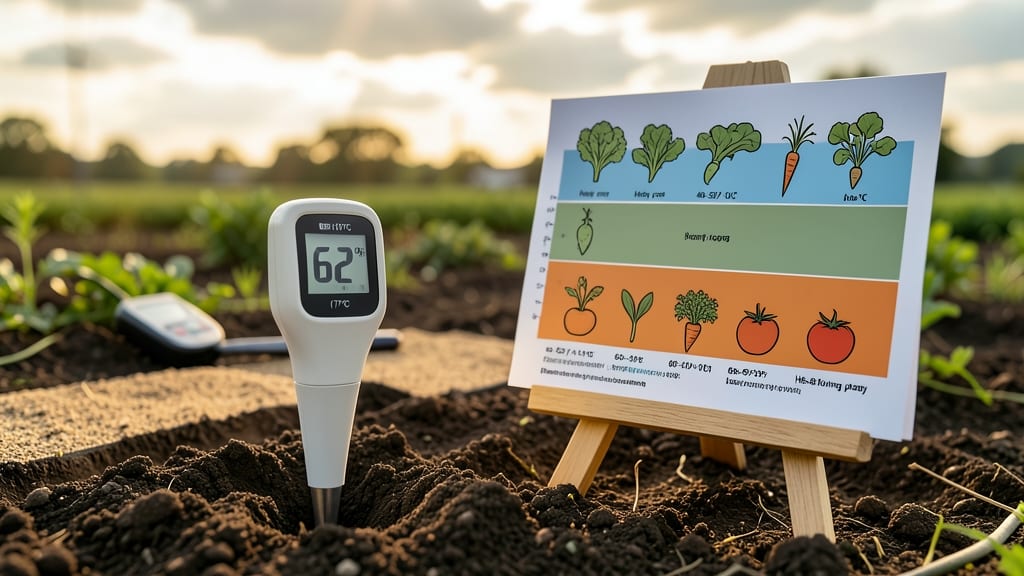
A soil temperature chart for planting vegetables shows optimal ranges from 40°F to 95°F, with cool-season crops like lettuce and spinach germinating best at 40–50°F and warm-season favorites such as peppers and cucumbers requiring 70–95°F. Always verify soil warmth with a thermometer before planting seeds or seedlings.
A vegetable planting chart isn't just about numbers—it's about timing your garden's success. 🌱 Soil warmth triggers enzymatic activity in seeds, breaking dormancy and kickstarting germination. For example, broccoli seeds need 45°F to sprout, while eggplants won't even consider growing until the soil hits 75°F.
Too cold, and roots struggle to develop; too hot, and seeds risk rotting before they sprout. I've learned the hard way that checking soil temperature daily during transition seasons (spring/fall) can mean the difference between a thriving garden and a wasted seed packet.
Pro tip: Most digital soil thermometers cost under $20 and give real-time readings down to 4 inches deep—where most seeds germinate. If your garden has microclimates (like a sunny south-facing bed), take readings from multiple spots.
For early spring planting, consider using black plastic mulch to warm soil faster, or row covers to protect tender seedlings from chilly nights.
💡 In This Article
- How Soil Temperature Affects Vegetable Germination and Growth
- Best Soil Thermometers and Planting Timing Strategies
How soil temperature affects vegetable germination and growth
The magic of soil temperature lies in how it activates enzymes within seeds and roots. At 40°F, cool-season vegetables like kale and onions trigger germination because their metabolic processes begin functioning—enzymes like α-amylase break down starches into sugars, fueling early growth.
But if temperatures drop below 35°F, these enzymes stall, leaving seeds dormant or causing rotting if moisture is present. Warm-season crops like beans and squash, however, need 70°F+ to activate their lipase enzymes, which help mobilize stored fats for energy during sprouting.
Root development is where temperature becomes critical. At 50°F, roots grow slowly but steadily, while at 80°F+, they can overheat, leading to cellular damage.
The sweet spot for most vegetables is 60–75°F, where microbial activity in the soil peaks—beneficial bacteria and fungi break down organic matter, releasing nutrients that young plants crave.
Too hot (90°F+), and beneficial microbes die off, while too cold (45°F) slows their activity, starving your plants of essential nitrogen and phosphorus.
What most gardeners overlook is that germination and growth have different ideal ranges. For example, lettuce seeds germinate best at 40–50°F, but once sprouted, they thrive at 60–70°F—too warm, and they bolt (go to seed) prematurely.
Tomatoes, conversely, need 75°F+ to germinate but can handle soil up to 95°F once established. This mismatch explains why early spring plantings often fail: seeds sprout in cold soil but struggle to survive once they break ground.
Extreme temperatures also alter seed viability. Freezing soil (32°F) can rupture seed coats, while prolonged heat (100°F+) dries out embryos. Even brief exposure to 105°F can kill seeds before they sprout.
That’s why late-summer plantings often disappoint—seeds may germinate but wither as roots can’t absorb water efficiently in overheated soil. The solution? Plant deeper in hot climates (seeds stay cooler underground) or use shade cloth to moderate soil warmth.
Microclimates add another layer of complexity. A south-facing bed might hit 85°F by midday, while a north-facing area lingers at 60°F. This explains why basil thrives in one spot while parsley withers nearby—both need 65°F+ to grow, but basil’s roots are more heat-tolerant.
To test your garden’s microclimates, take soil readings at 10 AM and 4 PM for a full picture. A 5°F difference can mean the difference between success and failure for heat-sensitive crops.
For container gardeners, the stakes are even higher. Potting mixes heat up faster than soil, often reaching 90°F+ in direct sun. To counteract this, I’ve switched to terracotta pots (they breathe better than plastic) and buried them halfway in the ground to stabilize temperatures.
Mulching with straw also helps—it insulates roots from temperature swings, keeping them in the 60–75°F sweet zone where growth accelerates.