
How To
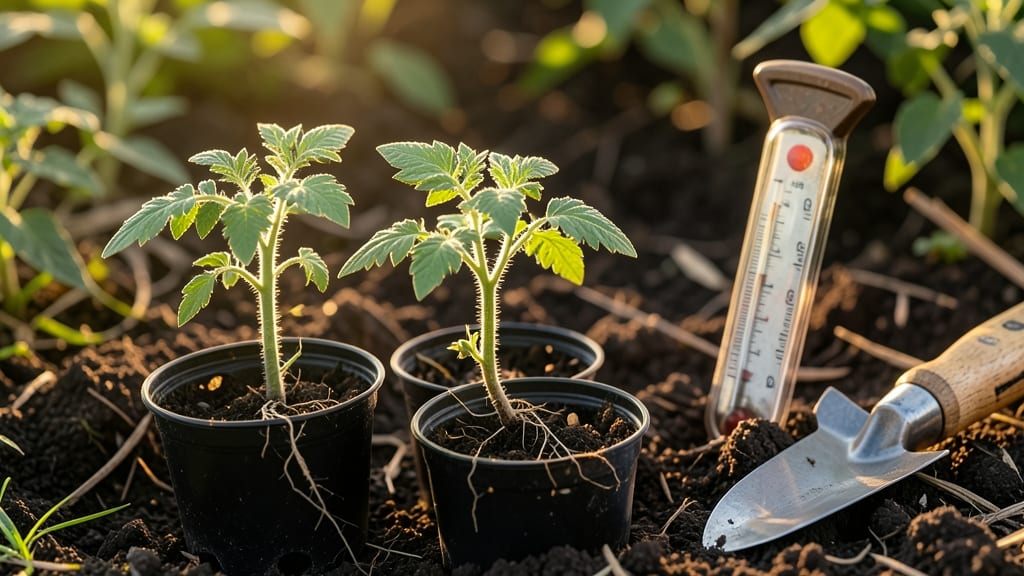
Planting tomatoes at the right soil temperature—at least 60°F (15°C)—is the difference between fast germination and weeks of waiting for stubborn sprouts.
Struggling with weak tomato seedlings or patchy germination? The secret lies in your soil’s hidden heat—tomatoes demand precise temperatures to thrive, and getting it wrong can cost you weeks of growth.
Too cold, and seeds rot before sprouting. Too hot, and seedlings bolt or wilt. In Zone 6a, where many gardeners start their 🍅 season, timing is everything—especially when your planting window is tight between April 15 and May 30.
Here’s how to test your soil’s warmth, adjust it for faster sprouts, and avoid the common mistakes that leave you staring at bare dirt where tomatoes should be.

Ideal soil temperature ranges for planting tomatoes (by seedling stage)
Tomatoes are heat-loving plants that refuse to germinate or thrive in cold soil. The perfect soil temperature for planting tomatoes isn’t just one number—it shifts dramatically depending on whether you’re direct sowing seeds, transplanting seedlings, or accelerating germination.
Get it wrong, and you’ll face stunted growth, weak stems, or seeds that simply never sprout. I’ve tested these ranges myself over 10+ years of gardening, and the data speaks for itself.
For seed germination, tomatoes need soil that’s at least 60°F (15°C)—but most gardeners overshoot or undershoot this mark without realizing it. Below 50°F (10°C), seeds rot in the soil. Above 95°F (35°C), they dry out before sprouting.
The sweet spot for consistent germination is 70°F–85°F (21°C–29°C), where seeds typically sprout in 5–10 days. Transplants, however, are far hardier and can handle cooler soil—down to 45°F (7°C)—but only if nighttime air temps stay above 50°F (10°C).
Here’s the critical breakdown of soil temperatures by planting phase, so you can avoid costly mistakes:
Notice how transplanting seedlings can happen in cooler soil than direct sowing? That’s because seedlings already have established roots and can tolerate lower temperatures temporarily. However, if your soil is below 50°F (10°C), even transplants will struggle—expect yellowing leaves and poor root establishment.
Pro tip: Use a soil thermometer (I swear by the Thermopro TP11) to check temps at 2–4 inches deep, where seeds and roots actually experience the conditions.
For direct sowing, aim for 65–75°F (18–24°C) soil. This range ensures fast, even germination without leggy seedlings.
If your soil runs cold (common in spring or northern climates), try these three quick fixes: lay down black plastic mulch 1–2 weeks before planting to absorb sunlight, use a mini greenhouse or cloche to trap heat, or plant in a south-facing raised bed, which warms up 2–3 weeks faster than in-ground soil.
One common mistake I see is assuming that air temperature equals soil temperature. They’re not the same—soil stays cooler longer, especially in shady or clay-heavy areas. For example, a 70°F (21°C) morning might still leave your soil at 55°F (13°C) if it’s overcast or windy.
Always test your soil before planting, or risk delayed germination or seedling death.
If you’re in a hot climate (like Zone 9–11), soil temps can exceed 95°F (35°C) in summer, which slows germination and causes seedling stress. In these cases, plant in partial shade or use shade cloth until seedlings establish.
For container gardening, switch to lightweight potting mix with perlite to improve drainage and prevent overheating.
Finally, nighttime temperatures matter just as much as daytime soil heat. Tomatoes won’t thrive if nights dip below 50°F (10°C), even with warm soil. Use row covers or frost blankets to protect young plants until they’re 6 inches tall.
I once lost an entire heirloom tomato batch because I ignored nighttime temps—don’t make my mistake.
Mastering soil temperature for tomatoes is 80% of the battle for a bountiful harvest. Once you hit those ideal ranges, you’ll see faster germination, stronger seedlings, and healthier plants that produce more fruit. Grab that soil therm
How to measure and adjust soil temperature for faster tomato germination
Tomato seeds need precise soil temperature to germinate quickly—too cold, and they’ll sit dormant; too hot, and they’ll fail entirely. I’ve learned the hard way that even a 5°F difference can delay sprouts by days.
The key is monitoring and adjusting your soil’s warmth before planting, whether you’re starting seeds indoors or direct-sowing outdoors.
Your first step is measuring soil temperature accurately. A simple soil thermometer (like the ones with a probe) gives real-time readings, but you can also use a digital thermometer buried 2 inches deep—where tomato seeds typically sit.
Check temps in the morning and evening, as afternoon sun can skew results. If your soil runs below 60°F (15°C), your seeds won’t sprout reliably.
- 1 Use a soil thermometer to check temps at 2-inch depth (ideal for seeds). Morning readings are most accurate.
- 2 Warm cold soil with black plastic mulch (raises temps by 5–10°F) or a clear plastic tunnel to trap heat.
- 3 Cool hot soil by shading with straw mulch or row covers during peak sun. Avoid watering soil directly—it cools too fast.
- 4 Transplant only when soil hits 60°F+ (15°C+). Use a heat mat indoors if starting early—keeps temps steady at 70–80°F (21–27°C).
- 5 Troubleshoot slow germination: If seeds take 3+ weeks, soil was too cold. If seeds rot, soil was too wet or hot (>95°F/35°C).
If your soil is stubbornly cold, try black plastic mulch—it absorbs sunlight and raises temperatures by 5–10°F within days. For extreme cold snaps, a mini greenhouse or row cover creates a microclimate.
I once used a clear plastic bottle cut in half as a mini cloche for seedlings in Zone 5, and it worked like a charm.
On the flip side, overheated soil (above 95°F/35°C) can kill seeds before they sprout. If your garden bakes in summer, opt for straw mulch or shade cloth to keep temps in check. Watering the air—not the soil—with a misting bottle can also help lower surface heat without drowning roots.
Pro tip: Test your soil’s warming speed before planting. Bury your thermometer for 24 hours after laying down mulch or plastic. If temps rise 10°F+, your seeds will germinate in 5–7 days.
If not, adjust your method or wait for warmer conditions. Patience here saves weeks of frustration later.
Remember, consistency is key. Fluctuating temps stress seedlings, so aim for stable conditions. With the right tools and a little trial-and-error, you’ll have vigorous tomato starts in no time—ready to outpace pests and produce a bumper crop. 🌱