
How To
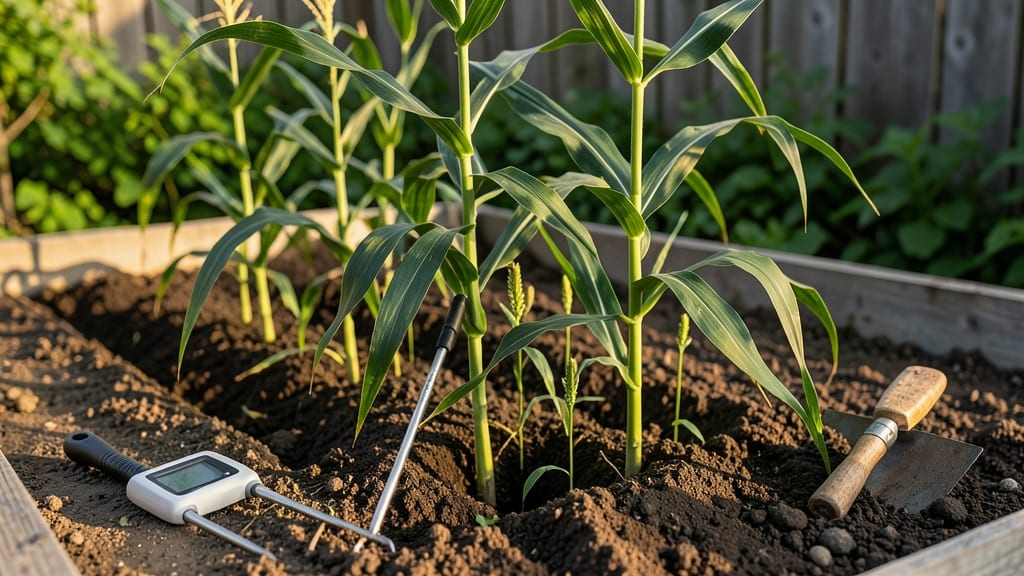
The soil temperature for planting corn won’t even get those seeds thinking about sprouting until it hits 50°F, but the magic really starts at 60°F—that’s when germination turns from "maybe" to "absolutely." 🌱 I learned this the hard way after planting too early in a chilly spring, only to watch my seeds rot in the cold ground while my neighbor’s corn shot up like weeds. The right temperature isn’t just about timing; it’s about giving those little kernels the warmth they crave to break dormancy and start growing.
Measuring soil temperature is easier than you’d think—just grab a soil thermometer (they’re cheap and worth it) and check it 6 inches deep in the morning.
If it’s below 55°F, hold off planting; corn seeds can take 10-14 days to germinate at ideal temps, but double that in cool soil.
In cooler zones (like USDA 3-5), wait until late May or early June, while warmer climates (zones 7-10) can start as early as March. The key is patience: rushing leads to weak, leggy seedlings that struggle to stand.
Once the soil warms up, you’ll see emergence in 5-7 days—tiny shoots pushing through the dirt like they’re racing to the sun. Those first leaves (called coleoptiles) are your signal that everything’s on track.
If germination stalls after a week, the soil might still be too cold or too wet. A quick fix? Cover the bed with black plastic mulch for a few days to warm it up naturally—no fancy equipment needed.
This isn’t just about getting seeds in the ground; it’s about setting your corn up for a strong, productive season. Warmer soil means faster root development, better disease resistance, and plants that can handle drought later.
And if you’re in a transitional zone? Plant a test row a week early to monitor germination—it’s the foolproof way to avoid another season of waiting for "maybe" corn.
📚 In This Guide
- What you need
- Instructions
- Tips and common mistakes
- Wrapping up and next steps
What you need
- ● Soil thermometer: A digital or analog probe-style thermometer (accuracy within ±1°F/±0.5°C). Pro tip: Look for one with a long probe (6–12 inches) for deep soil readings!
- ● Corn seeds: Hybrid variety suited to your climate (e.g., Sweet corn for home gardens or Field corn for larger plots). Check seed packets for recommended soil temps!
- ● Garden trowel or soil auger: For digging small holes (3–4 inches deep) to insert the thermometer probe.
- ● Garden hose or watering can: To moisten soil if it’s too dry for accurate readings.
- ● Notebook & pen: To log soil temps over time (track temps at 4-inch and 2-inch depths for best results).
- ● Soil warming mat: Electric or solar-powered mats to accelerate warming in cool climates (ideal for early spring planting).
- ● Black plastic mulch: Spread over beds to absorb sunlight and raise soil temps by 5–10°F.
- ● Weather app or almanac: For tracking 5-day forecasts—sudden cold snaps can delay germination!
- ● Seedling heat mat: If starting seeds indoors, use a mat set to 75–85°F until transplanting.
Step-by-step guide to testing and perfecting soil temperature for corn
Corn seeds won’t even think about sprouting until the soil hits the right warmth—here’s how to nail it every time.
🌱 Step 1: Measure Soil Temperature at Planting Depth
Corn seeds need soil to reach at least 60°F before germination begins, but 65-75°F is ideal for consistent, rapid sprouting. Use a soil thermometer to check 1-2 inches deep—that’s where the seeds will be. I like to test in the morning when soil is coolest; if it’s below 55°F, wait a few days.
Here’s the trick: take readings at the same time each day for accuracy. If your thermometer shows 58°F in the morning but climbs to 68°F by afternoon, your seeds will finally get the green light. Corn seeds stay dormant below 50°F, so don’t rush—waiting a week for the right warmth beats watching seeds rot.
☀️ Step 2: Use Black Plastic Mulch or Warmth-Enhancing Tricks
If your soil runs cool, black plastic mulch is my go-to solution. Lay it down 1-2 weeks before planting to raise soil temperatures by 5-10°F. The plastic traps heat during the day and radiates it back at night, creating a cozy environment for seeds. Just remember to cut small X-shaped slits in the plastic where you’ll plant—corn roots need direct soil contact.
For cooler climates, try straw mulch over black plastic. It adds insulation and retains moisture while keeping soil temperatures stable. I’ve seen soil under this combo reach 70°F in just 3-4 days after installation, even in spring’s chilly mornings.
💧 Step 3: Water Strategically to Maintain Warmth
Corn seeds need moist, warm soil—not soggy or cold. Water deeply 24 hours before planting to settle the soil and create a moisture reservoir. Then, avoid watering again until seeds sprout (usually 7-10 days). Overwatering cools the soil and delays germination. You’ll know moisture is right when the top ½ inch feels damp but not wet.
If your soil dries out too fast, try drip irrigation set to run 10 minutes daily instead of overhead watering. The key is keeping the soil consistently warm and evenly moist—not fluctuating between dry and soggy. A soil thermometer here helps track if watering is throwing off your warmth.
⏰ Step 4: Monitor for First Signs of Germination
Once soil hits 65°F, watch for white radicles (tiny root sprouts) breaking through the seed coat in 3-7 days. If you see them but no green shoots, the soil may be too dry—gently water with a spray bottle to keep it moist without disturbing the seeds. True leaves (the first real leaves, not the initial seed leaves) should appear in 10-14 days if conditions are perfect.
If germination stalls after 10 days, check your soil temperature again. Below 60°F and seeds may never sprout. In my experience, 70°F soil gets corn popping in 4-5 days, while 60°F can stretch it to 10 days. Patience here pays off—rushing leads to weak, uneven stands.
✂️ Step 5: Adjust for Late Plantings or Cool Soils
If you’re planting late in the season, use heat-loving corn varieties like ‘Golden Bantam’ or ‘Country Gentleman’—they germinate faster in cooler soils. For extra warmth, plant in raised beds filled with compost-amended soil (compost adds microbial activity that generates heat). I’ve seen raised beds stay 5-8°F warmer than open ground on cool mornings.
Pro tip: Plant deeper (1.5-2 inches) in cool soils—extra soil insulation helps retain warmth. Just don’t bury seeds deeper than 2 inches, or they’ll exhaust their energy trying to reach the surface. If all else fails, cover seeds with a mini greenhouse (a clear plastic bottle cut in half) to trap heat until sprouts emerge.
Tips & tricks for perfect corn germination
These precision strategies will help you create the ideal warmth for your corn seeds to thrive.
Timing Your Soil Checks: The 24-hour window before planting is crucial—this gives you time to assess soil conditions without rushing. I recommend checking soil temperatures at the same time each morning for consistency. If your readings fluctuate between 58°F and 68°F throughout the day, your seeds will have the perfect environment to germinate. The key is patience: if morning temps stay below 55°F, wait until they consistently reach at least 60°F before planting.
Layering Warmth for Cool Climates: When using black plastic mulch, remember to create those X-shaped slits for planting—corn roots need direct soil contact to establish properly. For extra insulation, try combining black plastic with straw mulch. This combo can raise soil temperatures by an additional 5°F beyond the plastic's natural effect, helping you reach that critical 70°F range faster. The straw also helps maintain moisture without creating cold pockets.
Watering Without Cooling: The deep watering 24 hours before planting is essential for creating that moisture reservoir, but be careful not to overdo it. You want the top ½ inch of soil to feel damp—not wet. If you notice the soil drying too quickly, switch to drip irrigation running for just 10 minutes daily. This maintains warmth while preventing the temperature fluctuations that can stall germination. A soil thermometer placed near your irrigation area will help you monitor any unintended cooling effects.
Germination Visual Cues: Those white radicles appearing in 3-7 days are your first sign of success! When you see them, check the soil temperature again—it should be holding steady at 65°F or above. If you notice radicles but no green shoots after 10 days, the soil may be too dry. Use a spray bottle to add moisture gently, being careful not to disturb the delicate sprouts. Remember, true leaves (not the initial seed leaves) should appear within 10-14 days if all conditions are perfect.
Pro Tips for Soil Temperature For Planting Corn
- These precision strategies will help you create the ideal warmth for your corn seeds to thrive.
- Timing Your Soil Checks: The 24-hour window before planting is crucial—this gives you time to assess soil conditions without rushing.
- Layering Warmth for Cool Climates: When using black plastic mulch, remember to create those X-shaped slits for planting—corn roots need direct soil contact to establish properly.
Frequently asked questions
Got questions about getting your corn off to the right start? Here are answers to the most common concerns—so you can plant with confidence!
What’s the ideal soil temperature range for planting corn?
Corn thrives when soil temperatures hit 50–60°F (10–15°C) at a depth of 4 inches. Below 50°F, germination slows or stalls, while above 60°F, seeds may sprout too quickly, risking stress. Use a soil thermometer to check—consistency matters more than a single reading!
How long does it take for corn seeds to germinate at different soil temps?
Germination speed varies by temperature:
- 50°F (10°C): 14–21 days (slow, risky if nights dip further).
- 60°F (15°C): 7–10 days (ideal balance).
- 70°F+ (21°C+): 3–7 days (fast but watch for dry soil stress).
Can I plant corn if the soil is cold but air temps are warm?
No—soil temp rules germination, not air temp! Cold soil delays or prevents sprouting, even if sunny. Wait until nighttime temps stay above 50°F (10°C) for 5+ consecutive days. A black plastic mulch can warm soil faster if you’re eager to plant early.
What should I do if I planted too early and the soil is still cold?
Don’t panic! If seeds haven’t sprouted in 2 weeks at 50°F (10°C), they may have rotted. Test moisture—too wet = mold risk. If soil warms later, replant 1–2 inches deeper (but not >3 inches) and thin seedlings later. Avoid overcrowding!
Are there corn varieties that tolerate cooler soil?
Yes! Short-season or "cool-soil" varieties like ‘Early Sunglow’ or ‘Golden Bantam’ germinate at 45–50°F (7–10°C). Check your USDA zone and seed packets for “days to maturity”—shorter = better for early starts. Sweet corn hybrids often adapt better than field corn.
Wrapping up and next steps
Understanding soil temperature for planting corn is your secret weapon for a thriving harvest! 🌱 The key takeaway? Corn thrives when soil reaches at least 50°F (10°C)—warmer soils speed up germination and root growth, setting your crop up for success.
Don’t let chilly soil slow you down; use soil thermometers, mulch, or row covers to create the perfect warmth. Ready to take action? Monitor your soil now and adjust your planting schedule for peak performance.
With the right temperature, your corn will sprout faster, grow stronger, and reward you with a bountiful yield. Happy planting! 🌽✨