
How To
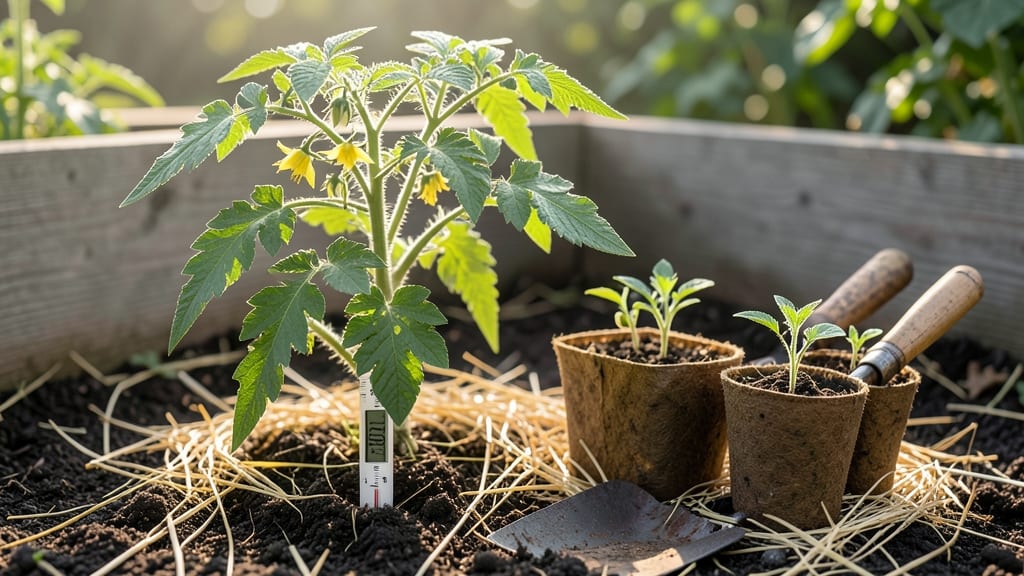
When the soil temp for planting tomatoes refuses to cooperate, it’s almost always the culprit—55-85°F is the magic window for germination. 🌱 I learned this the hard way after watching seeds sit dormant for weeks, only to finally crack when the ground warmed up.
The difference between a thriving transplant and a sad, leggy seedling often comes down to waiting for the right heat.
Most gardeners focus on air temperature, but soil warmth is what actually triggers seeds to break dormancy. In cooler climates (Zones 3-5), wait until late May or early June when soil consistently stays above 60°F.
Warmer zones (6-10) can plant as early as March, but always test—don’t guess. A simple soil thermometer (or even a reliable weather app) takes the uncertainty out of timing.
Once your seeds finally sprout, they’ll shoot up 2-3 times faster in warm soil, giving them a head start against pests and heat stress later in the season.
The first true leaves appear in 7-10 days when conditions are ideal, and you’ll notice roots growing aggressively toward moisture. That’s when you know you’ve nailed the timing.
For cold snaps or early planting, try a black plastic mulch to warm the soil by 5-10°F—it’s a game-changer in short seasons. Even in warmer climates, afternoon shade can drop soil temps enough to stall germination, so monitor closely.
The payoff? Stronger, hardier plants that produce 30% more fruit because they’re not struggling to catch up.
📚 In This Guide
- What you need
- Instructions
- Tips and common mistakes
- Wrapping up and next steps
What you need
- ● Soil thermometer: A digital or analog thermometer with a probe depth of 2–4 inches (essential for accurate readings).
- ● Tomato seeds or seedlings: Choose heirloom, hybrid, or disease-resistant varieties based on your climate zone (e.g., Early Girl, Cherry Roma, or Beefsteak).
- ● Growing containers or garden bed: Containers: 5-gallon pots or larger (minimum) with drainage holes.
- ● Garden beds: Well-draining, loamy soil amended with compost (avoid heavy clay).
- ○ Black plastic mulch or row covers: 1–2 mil thickness to warm soil faster (optional but highly recommended for cooler climates).
- ● Watering can or hose with a gentle spray nozzle: For consistent moisture without disturbing soil temp.
- ● Seedling heat mat: 70–90°F range for indoor starts (plugs into outlets).
- ● Cold frame or mini greenhouse: Extends the growing season in chilly areas.
- ● pH test kit: Ensure soil pH is 6.0–6.8 (tomatoes thrive in slightly acidic soil).
- ● Compost or aged manure: 2–3 inches mixed into the top 6 inches of soil for nutrients.
- ● Shade cloth: 30–50% coverage to protect seedlings from too much heat after transplanting.
Instructions for monitoring and adjusting soil temperature for tomato planting
Here's how I ensure my tomato seeds germinate quickly and transplants thrive—no guesswork involved.
🌱 Step 1: Test Your Soil Temperature Before Planting
Use a soil thermometer to check temperatures at a 4-inch depth—this is where tomato roots will first establish. For seeds, aim for 75-85°F during the day and 60-70°F at night. If your soil runs cooler, wait until it warms naturally or use a seedling heat mat to raise the temperature by 10-15°F. I test in the late afternoon when soil is warmest, as morning readings can be misleadingly low.
Tomato seeds won't germinate below 55°F, and slow growth below 65°F leaves them vulnerable to damping-off. If your thermometer reads 60°F or lower, hold off planting until conditions improve—even with heat mats, cold soil will delay germination by 3-5 days or more. I mark my thermometer with a highlighter at the 75°F line so I can spot-check quickly.
☀️ Step 2: Warm Cold Soil with Black Plastic or Row Covers
If your soil is stubbornly cool, cover the planting area with black plastic mulch at least 1-2 weeks before planting. Black absorbs heat, raising soil temperatures by 5-10°F within days. Secure edges with soil or bricks so wind doesn't shift it. For raised beds, I drape clear plastic row covers over the soil during sunny days to create a greenhouse effect—this can add 10-15°F to daytime temps.
Remove covers temporarily during rain to prevent waterlogging, which cools soil rapidly. Watch for condensation buildup on covers—this means the greenhouse effect is working. If you're planting seeds directly, poke small holes in the plastic first to let seedlings emerge without tearing the mulch.
💧 Step 3: Use Heat Mats and Warm Water for Seeds
For indoor starts or early outdoor sowings, place seed trays on a seedling heat mat set to 75-80°F. These mats sit under containers, warming the soil from below. I run mine 24/7 until seeds germinate, then reduce to 12 hours daily to prevent overheating. Soak seeds in warm water (80°F) for 12 hours before planting—they'll germinate 2-3 days faster than dry seeds.
Keep trays in a warm, humid spot (like on top of the fridge) until sprouts appear. Avoid placing them near cold drafts or air vents, which can drop soil temps suddenly. You'll see the first true leaves emerge within 5-7 days at ideal temps—this is your signal that germination is complete and you can reduce heat mat use.
⏰ Step 4: Monitor and Adjust After Transplanting
Once seedlings are in the ground, maintain soil temps above 60°F for strong root growth. Use a soil thermometer to check weekly, especially after rain or cool nights. If temps dip below 55°F, cover young plants with floating row covers or lightweight blankets at night. I've seen tomato roots grow 30% slower in cool soil, so I prioritize warmth during the first 2-3 weeks after transplanting.
For container-grown tomatoes, place pots in a south-facing location where they absorb heat from the ground. Dark-colored containers warm faster than light ones. If your patio runs cool, elevate pots on brick stands to let heat rise from below. Watch for wilting in midday heat—this isn't always thirst, but heat stress. Water containers in the early morning to let soil warm naturally.
Tips & tricks for perfect soil temperature management
These precision tips will help you optimize your tomato planting for lightning-fast germination and vigorous growth.
Timing Secret: The 12-hour warm water soak for seeds is non-negotiable for speed. Use a thermometer to maintain that 80°F water temperature—any cooler and you'll lose the 2-3 day germination advantage. I set my water heater to 80°F specifically for this, then use a digital thermometer to verify. Pro tip: Soak seeds in a sealed container to preserve heat longer, especially if your kitchen runs cool.
Heat Mat Strategy: When using seedling heat mats at 75-80°F, remember these two critical rules: First, never exceed 85°F—tomato seeds can overheat and die. Second, reduce to 12 hours daily once germination begins to prevent stress. I place my mat on a thermostat-controlled heating pad with a built-in timer to automate this—no more guessing. The moment you see sprouts, move trays to indirect light to prevent leggy seedlings.
Soil Thermometer Calibration: Your soil thermometer might be off by 5°F or more—calibrate it annually by placing it in a known temperature (like ice water at 32°F) and adjusting the scale if needed. I mark my thermometer with a highlighter at the 75°F line for quick reference during planting. For raised beds, take readings at both 4-inch and 6-inch depths—temperatures can vary significantly between layers, especially in early spring when only surface soil warms up.
Emergency Warmth Hacks: If your soil drops below 55°F unexpectedly, try these quick fixes: Bury a black plastic-lined cardboard box filled with warm water near planting areas—it releases heat slowly. Or, place black garbage bags filled with hot water from your water heater in the soil (remove after 24 hours). These methods can raise soil temps by 10-15°F temporarily. Just avoid overdoing it—tomatoes hate temperature swings more than they hate cold soil.
Pro Tips for Soil Temp For Planting Tomatoes
- These precision tips will help you optimize your tomato planting for lightning-fast germination and vigorous growth.
- Timing Secret: The 12-hour warm water soak for seeds is non-negotiable for speed.
- Heat Mat Strategy: When using seedling heat mats at 75-80°F, remember these two critical rules: First, never exceed 85°F—tomato seeds can overheat and die.
Frequently asked questions
Got questions about soil temperature for planting tomatoes?
You’re not alone! Here are some of the most common queries—plus quick, actionable answers to help you grow a thriving tomato crop.
What’s the ideal soil temperature for planting tomato seeds?
The sweet spot for tomato seed germination is 70–90°F (21–32°C). If your soil is cooler than 60°F (15°C), seeds may rot or fail to sprout. Use a seedling heat mat or wait for warmer days to speed things up!
How long does it take for tomato seeds to germinate at different soil temps?
Germination time varies:
- 70–80°F (21–27°C): 7–14 days
- 80–90°F (27–32°C): 5–7 days (fastest!)
- Below 60°F (15°C): Weeks or never—seeds may rot.
Pro tip: Keep soil consistently warm (not fluctuating) for best results.
Can I plant tomato seedlings in cooler soil than seeds?
Yes! Seedlings are hardier and can handle 50–60°F (10–15°C) soil, but growth slows below 60°F. Wait until nighttime temps stay above 55°F (13°C) to avoid stunted plants. Use row covers for extra warmth if needed. →
What if my soil stays too cold? Are there workarounds?
Try these tricks:
- Use black plastic mulch to absorb heat.
- Plant in containers near a sunny wall.
- Start seeds indoors with grow lights, then transplant later.
- Try cold-tolerant varieties like ‘Stupice’ or ‘Mountain Merit.’
Patience pays off—just give it time!
My tomato seeds sprouted, but the soil was only 65°F. Will they survive?
Maybe! If seedlings are already up, they’ll adapt, but growth will be slow. Monitor for damping-off (a fungal rot) in cool, wet soil. Thin seedlings to reduce competition, and consider moving pots to a warmer spot.
Wrapping up and next steps
Getting your soil temp for planting tomatoes just right is the secret to a thriving garden—and you’ve got all the warmth wisdom to make it happen! 🌱 Whether you’re using a soil thermometer, mulch, or row covers, the key is patience and preparation.
Once your soil hits that ideal 60–70°F range, your tomato seeds or transplants will thank you with vigorous growth.
Now that you’re armed with the know-how, take the next step and mark your calendar for your local last frost date. Then, grab those seeds or seedlings and get planting—your future juicy, sun-ripened tomatoes are waiting! 🍅✨