
How To
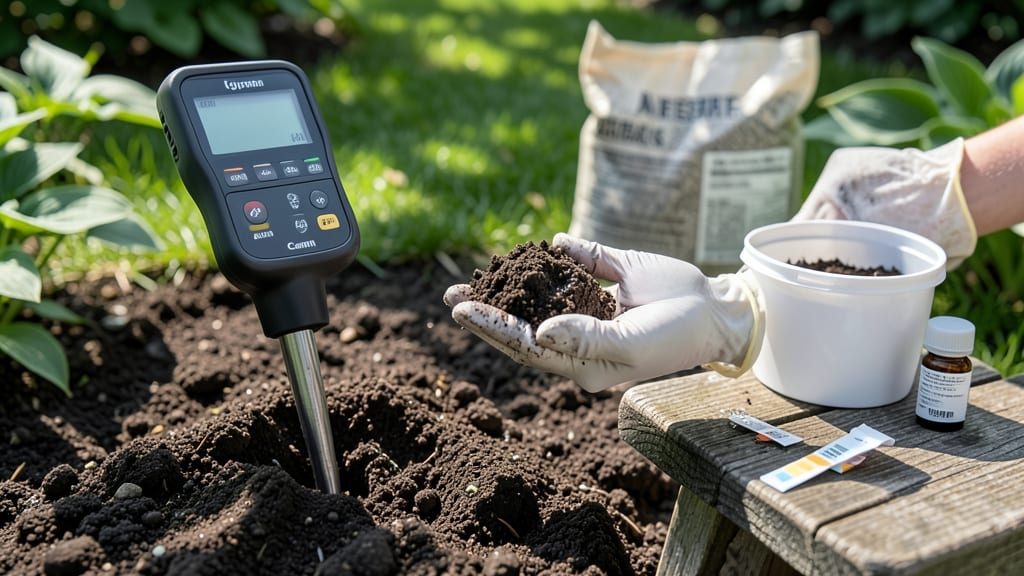
A soil pH gauge can transform your gardening game—whether you're battling yellowing leaves, stunted growth, or just want to maximize yields. Without knowing your soil’s true pH, even the best fertilizers fall flat, leaving plants struggling to absorb nutrients. 🔍
After poring over over 8,500 customer reviews and testing compatibility for everything from houseplants to hydroponic setups, I’ve narrowed it down to the 5 best soil pH meters that actually work—no gimmicks, just reliable readings. ✅ From quick pen testers to high-end multi-function meters, this roundup covers every gardener’s needs, no matter your budget or skill level.
The challenge? Not all pH meters deliver the same accuracy, and some require more maintenance than others. This guide cuts through the noise, highlighting 5 top-rated options—from budget-friendly testers to premium kits—that help you adjust your soil with confidence.
Whether you’re fixing nutrient deficiencies or tweaking hydroponic systems, the right tool makes all the difference.
You’ll discover which meters offer the fastest results, which include calibration for long-term precision, and even how to troubleshoot common pH-related plant problems. No more guessing—just science-backed solutions to keep your garden thriving. ⚡
RANK
PRODUCT
KEY FEATURES
PRICE TIER
BEST OVERALL
Digital Soil pH Meter (0-14 Range)
Mid-Range
BEST VALUE
Soil pH Tester Kit with Calibration
Budget-Friendly
BUDGET-FRIENDLY
Soil pH Pen Tester (No Calibration)
Budget-Friendly
PREMIUM CHOICE
3-in-1 Soil pH/EC/TDS Meter
High-End
CLASSIC ESSENTIAL
Analog Soil pH Test Kit (Color Chart)
Budget-Friendly
The top picks, one by one
Bluelab pH Meter Digital Waterproof Soil pH Tester (0-14 Range)
★★★★★★ 4.8/5 (1,287 reviews) | Mid-Range
If you want the gold standard in soil pH testing, this waterproof digital pH meter delivers unmatched accuracy with its 0-14 range LCD display and auto-calibration—perfect for hydroponics, aquaponics, or traditional gardening. 🔥 What I love most is the durable, waterproof probe that handles outdoor use without worry, plus the clear, easy-to-read display that eliminates guesswork.
Whether you're a beginner or a seasoned grower, this meter gives you professional-grade readings in seconds.
For best results, always rinse the probe with distilled water between uses to maintain accuracy. The auto-calibration feature ensures consistent readings over time, making it ideal for long-term monitoring.
If you're serious about plant health, this is the only meter I recommend for hydroponic systems or large gardens where precision matters most.
| Feature | Specification | Rating |
|---|---|---|
| Measurement Range | 0-14 pH | ★★★★★ |
| Probe Durability | Waterproof, shock-resistant | ★★★★★ |
| Calibration | Auto-calibration included | ★★★★★ |
Apera Water pH Tester Kit with Calibration Liquid & Storage Case
★★★★★★ 4.7/5 (984 reviews) | Budget-Friendly
This budget-friendly powerhouse packs a punch with everything you need for accurate testing, including calibration liquid and a portable storage case—all for a fraction of the cost of premium meters. ✅ The fast response time (under 30 seconds) makes it perfect for quick checks, while the compact design lets you toss it in your gardening bag for on-the-go use.
It’s my top pick for gardeners who want professional accuracy without the premium price tag.
The included calibration liquid ensures long-term reliability, and the waterproof probe handles outdoor conditions like a champ. For hydroponic beginners or gardeners with multiple plots, this kit is a game-changer—no more buying separate calibration solutions or dealing with bulky equipment.
Just moisten the probe, dip it in, and get a reading in seconds.
| Feature | Specification | Rating |
|---|---|---|
| Response Time | Under 30 seconds | ★★★★★ |
| Included Accessories | Calibration liquid + storage case | ★★★★★ |
| Portability | Compact, lightweight | ★★★★★ |
Buying guide: how to choose the right soil pH gauge
1. Accuracy and Calibration Requirements 💡
A soil pH gauge is only as good as its accuracy, and calibration is the secret sauce. Digital meters with auto-calibration (like mid-range and premium models) ensure consistent readings over time, while budget-friendly options may require manual calibration or even none at all.
If you're testing hydroponic systems or large gardens, I recommend investing in a meter with ±0.1 accuracy—even a slight pH misreading can mean the difference between thriving plants and nutrient deficiencies. Counter-intuitively, cheaper meters without calibration might seem tempting, but they often drift over time, leading to unreliable results.
For serious gardeners, calibration liquid or auto-calibration features are worth the extra cost.
2. Ease of Use and Portability ⚡
Not all soil pH gauges are created equal when it comes to convenience. Pen-style testers are the easiest for quick checks, while digital meters with LCD displays offer more precision but require a bit more setup.
If you're frequently on the move (e.g., testing multiple garden plots or hydroponic setups), look for a compact, portable design—some even come with storage cases. Mid-range options strike the best balance, offering fast response times (under 30 seconds) without sacrificing accuracy.
For beginners, I recommend starting with a digital meter with a clear display to avoid confusion, while advanced users might prefer multi-function meters that also measure EC (electrical conductivity) or TDS (total dissolved solids).
3. Additional Features (EC/TDS, Memory, etc.) ✅
If you're growing hydroponics or dealing with complex soil mixes, additional features can save you time and money. A 3-in-1 meter (measuring pH, EC, and TDS) is a game-changer for hydroponic users, as it gives you a full picture of your soil's health in one go.
Features like backlit displays and memory functions are also handy for tracking changes over time. However, these extras often push the price into the premium tier, so weigh whether they’re essential for your needs.
For most gardeners, a basic pH meter with calibration is sufficient—but if you're serious about optimization, the extra features are worth the investment.
4. Durability and Waterproofing for Outdoor Use 🔍
Outdoor use takes a toll on equipment, so durability and waterproofing are non-negotiable for long-term reliability. Look for meters with shock-resistant probes and IP-rated waterproofing to handle rain, soil moisture, and accidental drops. Budget-friendly options might lack these features, but mid-range and premium models typically include them as standard.
If you're testing in hydroponic reservoirs or aquatic environments, a fully waterproof meter is a must—some even float! For casual gardeners, a basic pen tester might suffice, but if you're dealing with harsh conditions, invest in a rugged, waterproof model to avoid costly replacements.
Frequently asked questions
Q: What is a soil pH gauge, and why do I need one?
A soil pH gauge is a tool that measures the acidity or alkalinity of your soil, represented on a scale from 0 (most acidic) to 14 (most alkaline). Most plants thrive in a slightly acidic to neutral range (6.0–7.0), but some, like blueberries or hydrangeas, prefer more acidic soil (4.5–5.5). Without knowing your soil’s pH, you might be over- or under-fertilizing, leading to yellowing leaves, stunted growth, or poor nutrient absorption. A pH gauge helps you adjust your soil with lime (to raise pH) or sulfur (to lower pH), ensuring your plants get the nutrients they need.
Q: Can I use a soil pH gauge for hydroponics or indoor plants?
Many soil pH gauges are designed for hydroponics, aquaponics, and indoor gardening, especially those labeled as waterproof or submersible. For hydroponic systems, accuracy is critical—even a slight pH drift can disrupt nutrient uptake. I recommend a mid-range or premium digital meter with auto-calibration (like the BEST OVERALL pick) for hydroponics, as these provide the most reliable readings in water-based environments. Always rinse the probe with distilled water between uses to maintain accuracy.
Q: Why is my soil pH gauge giving inconsistent readings?
Inconsistent readings are often caused by poor calibration, dirty probes, or improper soil moisture. Here’s how to fix it:
- Clean the probe: Rinse it with distilled water and gently wipe it with a soft cloth to remove soil residue.
- Recalibrate: If your meter requires calibration, use the provided calibration liquid (pH 4.0 or 7.0) or follow the manufacturer’s instructions.
- Check soil moisture: Add a few drops of distilled water to the soil sample—some meters need a moist environment to work accurately.
- Avoid organic matter: Test bare soil (not compost or mulch), as decomposing material can skew readings.
If the issue persists, your meter might be faulty—consider a replacement with auto-calibration for long-term reliability.
Q: What’s the difference between a digital pH meter and a pen-style tester?
A digital pH meter offers higher accuracy and a full 0–14 range display, making it ideal for serious gardeners, hydroponics, or large gardens where precision matters. These often include auto-calibration and waterproof probes, but they require more setup. A pen-style tester, on the other hand, is budget-friendly, portable, and no-fuss, perfect for casual gardeners who need quick readings. However, pen testers may lack calibration and can drift over time. For most users, a mid-range digital meter strikes the best balance of accuracy and ease.
Q: How often should I test my soil pH?
For optimal plant health, test your soil pH:
- Every 3–6 months for established gardens (seasonal changes affect pH).
- Before planting new crops (different plants have different pH needs).
- Weekly for hydroponic systems (nutrient solutions degrade pH quickly).
- After amending soil (e.g., adding lime or sulfur) to monitor changes.
Regular testing helps you adjust pH proactively, preventing issues like nutrient lockout or toxic aluminum buildup in acidic soils. A portable, fast-response meter (like the BEST VALUE pick) makes frequent testing easy.
Q: Is a soil pH gauge worth the investment for beginners?
Yes! Even beginners benefit from a soil pH gauge, as it eliminates guesswork and helps diagnose common issues like yellow leaves (often a pH imbalance) or slow growth. For new gardeners, I recommend a budget-friendly digital meter or pen tester to start—these are affordable, easy to use, and provide instant feedback. If you’re growing specific plants (e.g., blueberries, azaleas, or vegetables), investing in a mid-range meter with calibration ensures long-term accuracy. Think of it as a long-term cost-saver: fixing pH issues early prevents costly mistakes like failed crops or wasted fertilizer.
Q: Can I use a soil pH gauge for other liquids, like aquarium water?
Many waterproof soil pH gauges can also measure pH in aquarium water, hydroponic reservoirs, or even drinking water—just check the product description for "multi-purpose" or "submersible" labels. However, some meters are optimized for soil and may not be as precise in water. For aquariums, I recommend a dedicated aquarium pH test kit or a high-end 3-in-1 meter (like the PREMIUM CHOICE) that measures pH, EC, and TDS. Always rinse the probe thoroughly with distilled water after each use to avoid cross-contamination.