
Neem Oil
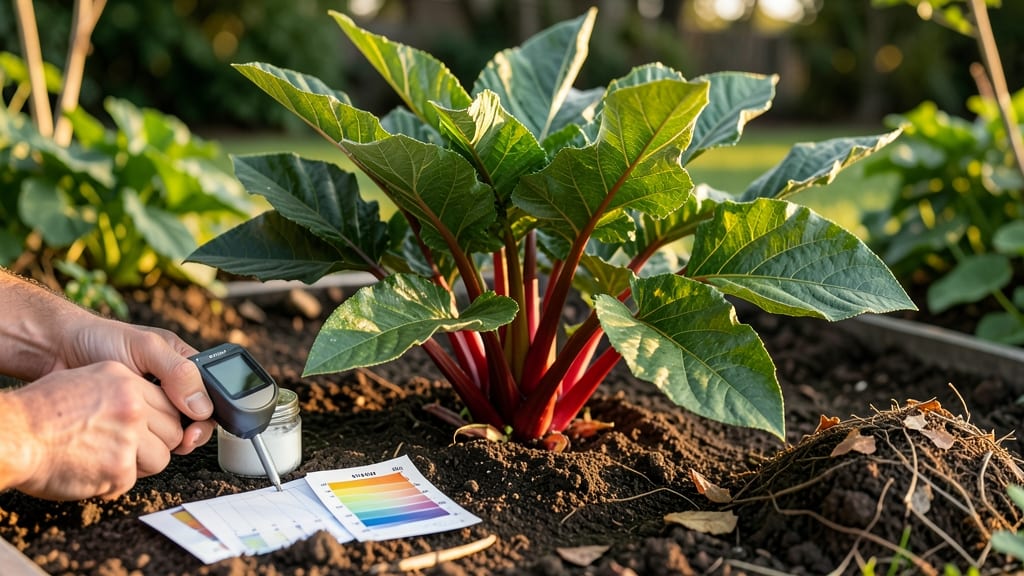
Growing thriving rhubarb 🌱 depends on getting the soil pH right—aim for a range between 6.0 and 6.8 to unlock the best flavor and yield.
Struggling to grow vibrant, productive rhubarb? The secret might be hiding in your soil’s pH—this crucial factor determines whether your plants thrive or struggle. Too acidic or alkaline, and your rhubarb will fight to absorb nutrients, leaving you with weak stalks and disappointing harvests.
Most gardeners overlook soil pH until problems appear, but testing early saves time and frustration. With a simple DIY test kit or a home lab, you can check your soil’s pH in minutes and adjust it naturally using lime for acidity or sulfur for alkalinity.
In this guide, I’ll walk you through the ideal pH range for rhubarb, how to test and adjust your soil, and the common mistakes that sabotage growth—so you can enjoy plump, sweet stalks year after year.
Optimal soil pH range for rhubarb growth and production
If you've ever planted rhubarb and watched your stalks grow thin or your leaves turn yellow, your soil pH might be the culprit. Rhubarb thrives when its soil environment is just right—neither too acidic nor too alkaline.
Getting this balance is key to unlocking your plant's full potential, from vibrant leafy growth to plump, harvestable stalks. The ideal soil pH for rhubarb sits between 5.0 and 6.5, a range that ensures your plants can absorb all the nutrients they need to flourish.
Why does pH matter so much? Soil pH directly affects how well rhubarb can access essential micronutrients like iron, manganese, and phosphorus. When pH strays outside the ideal range, these nutrients become "locked up," leaving your plants starving even if the soil looks rich.
For example, a pH above 7.0 can cause iron deficiency, turning leaves pale yellow—a classic sign your rhubarb is struggling. On the flip side, a pH below 5.0 can make aluminum and manganese toxic, stunting root growth and reducing yields.
Here’s the good news: rhubarb is more forgiving than many plants, tolerating a pH range of 4.5 to 7.5. However, staying within the 5.0–6.5 sweet spot maximizes growth, disease resistance, and harvest quality.
Think of it like Goldilocks—your rhubarb wants its soil "just right." Let’s dive into what this means for your garden and how to keep your plants happy.
Understanding how soil pH affects nutrient availability is the first step to growing robust rhubarb. For instance, at a pH of 6.0, rhubarb can easily access phosphorus and potassium, which are vital for root development and stalk thickness.
Drop the pH to 4.5, however, and manganese becomes less available, leading to interveinal chlorosis (yellowing between leaf veins). Conversely, a pH above 7.0 can cause iron chlorosis, where new leaves turn entirely yellow while veins stay green—a classic sign your rhubarb is craving more acidic conditions.
One of the most common pH-related issues in rhubarb gardens is magnesium deficiency, often caused by overly alkaline soil. Magnesium is crucial for photosynthesis, and a lack of it shows up as yellow patches between leaf veins, starting on older leaves.
If you notice this, your soil’s pH might be too high, and your rhubarb is struggling to absorb this essential mineral. The fix? Lowering the pH with organic amendments like elemental sulfur or peat moss can restore balance and revive your plant’s health.
Another red flag is stunted growth despite ample sunlight and water. If your rhubarb’s stalks are shorter than expected and the leaves are small and pale, your soil might be too acidic. Acidic conditions can make aluminum and manganese toxic to roots, preventing them from absorbing water and nutrients efficiently.
In this case, raising the pH with lime or wood ash can help restore root function and encourage stronger growth. Always test your soil before making adjustments—overcorrecting pH can be just as harmful as getting it wrong.
For gardeners in regions with naturally alkaline soil
Natural ways to adjust soil pH for rhubarb success
Rhubarb thrives when your soil’s pH sits between 5.0 and 6.5, but many gardeners accidentally throw off this balance. If your rhubarb leaves look yellow, stalks stay small, or growth stalls, your soil might need a natural pH adjustment.
The good news? You don’t need harsh chemicals—just a few organic amendments can bring your soil back into the ideal range for rhubarb’s nutrient-hungry roots.
Before making changes, test your soil’s current pH. A simple DIY test kit (or even a vinegar/baking soda test) can reveal whether your soil leans acidic or alkaline. Once you know where you stand, you can choose the right organic fix.
Whether you need to raise pH with lime or lower it with sulfur, these natural methods keep your rhubarb happy without harming the ecosystem.
- Test your soil: Use a DIY pH test kit (vinegar/baking soda method) or send a sample to your local extension office for accuracy.
- Raise pH (if below 5.0): Sprinkle pelletized lime (5 lbs per 100 sq ft) and work into top 6 inches of soil. Re-test in 2-3 months.
- Lower pH (if above 7.0): Mix elemental sulfur (1 lb per 100 sq ft) into soil. Effects take 2-6 months—be patient!
- Add organic matter: Incorporate compost or peat moss (1-2 inches) to buffer pH swings and improve soil structure.
- Use pine needles: Spread dried pine needles (½ inch layer) as mulch to slowly acidify soil over time.
- Apply compost tea: Brew compost tea (1:10 ratio) and water plants monthly to stabilize pH naturally.
For acidic soil (pH below 5.0), I swear by pelletized lime—it’s slow-acting but gentle. Sprinkle 5 pounds per 100 square feet and till it into the top 6 inches of soil.
Wait 2-3 months before re-testing, as lime takes time to dissolve and adjust pH. If your soil is sandy or well-draining, you may need to apply lime annually to maintain the ideal range.
When soil is too alkaline (pH above 7.0), elemental sulfur is your best bet. Apply 1 pound per 100 square feet and mix it into the top 6 inches. Unlike lime, sulfur works slowly—it can take 2-6 months to lower pH, so plan ahead.
For faster (but temporary) results, try peat moss or pine needles as mulch—they’ll gradually acidify the soil over time.
Don’t forget organic matter! Adding compost or well-rotted manure (2-3 inches) improves soil structure while buffering pH swings. I like to mix it into the soil in early spring before planting or top-dressing existing rhubarb beds.
For an extra boost, compost tea (brewed from compost and water) can be sprayed monthly to stabilize pH naturally.
Timing matters too. Adjust pH in early spring or fall, giving amendments time to work before rhubarb’s active growing season. Avoid mid-summer adjustments—your plants will stress out trying to adapt. And always re-test soil pH after 2-3 months to ensure you’ve hit that 5.0-6.5 range for rhubarb success!