
How To
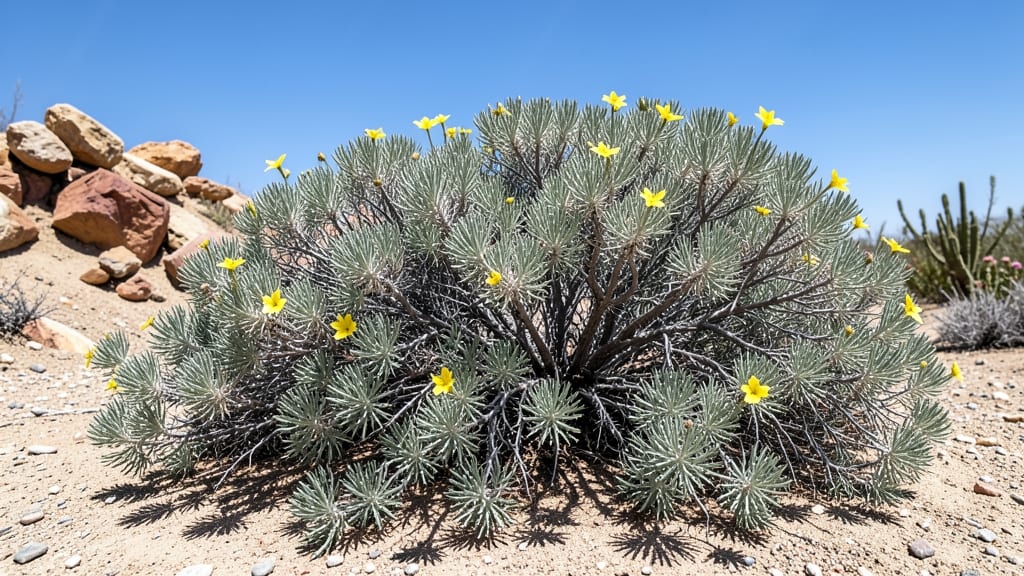
The desert soil you're working with might look like sandpaper, but it's actually a goldmine for drought-resistant plants once you understand its quirks. ✨ I've transformed my own rocky, alkaline soil into a thriving oasis by focusing on water retention and organic matter—no matter how harsh the conditions feel at first.
Desert soil drains like a sieve and often lacks nutrients, but the right amendments can turn it into fertile ground. Start with a simple test: grab a handful—if it crumbles like dust, you're dealing with pure sand.
The key is adding 2-3 inches of compost and mulching heavily to lock in moisture where it counts.
You'll see plants like agave, yucca, and native desert wildflowers flourish with minimal water once the soil holds onto what you give it. The secret isn't just what you add, but how you protect it—mulch acts like a blanket, keeping roots cool and soil from drying out between rare rains.
This approach works for containers too—just use a mix of 50% desert soil, 30% compost, and 20% perlite for better aeration. Even in extreme heat, your plants will stay resilient with the right foundation. Let's get your desert garden growing!
📚 In This Guide
- What you need
- Instructions
- Tips and common mistakes
- Wrapping up and next steps
What you need
- ● 50% coarse sand (e.g., builder’s sand or sharp sand): Improves drainage and prevents compaction. Pro tip: 💡 Sift through a ¼-inch mesh to remove debris.
- ● 30% compost (well-aged, not fresh): Adds nutrients and microbial life. Spec: Look for composted cow manure or worm castings for extra resilience.
- ○ 20% perlite or pumice: Boosts aeration and water retention. Optional: 🌡️ Swap perlite for hydroponic clay pebbles if you want extra grit.
- ● Garden gloves (nitrile or leather): Protects hands from sharp sand and grit.
- ● Wheelbarrow or large bin: Mixes 1 cubic yard of soil easily.
- ● Garden rake (with fine teeth): Levels and blends ingredients smoothly.
- ○ pH tester kit (optional but highly recommended): Desert plants thrive at 6.0–7.5 pH. Adjust with lime (to raise) or sulfur (to lower).
- ○ Drip irrigation tubing (optional): Even "zero-water" plants appreciate occasional deep hydration!
Step-by-Step guide to creating desert-resilient soil mixes
Here's how to build a drought-proof soil blend that thrives with minimal water.
🌱 Step 1: Gather Your Drought-Defying Base Materials
Start with 50% coarse sand—this is your drainage champion. I use clean, sharp builder's sand (not fine beach sand) because it creates air pockets that prevent compaction. Next, add 30% coconut coir for moisture retention without clinging to roots like peat. This combo mimics natural desert soils where plants survive on occasional rains.
For the remaining 20%, blend composted leaf mold and perlite in equal parts. The leaf mold feeds microbes while the perlite keeps things aerated. Sift everything through a ¼-inch mesh screen to eliminate clumps—smooth texture is key for root penetration in dry climates.
💧 Step 2: Mix Thoroughly for Uniform Structure
In a wheelbarrow or large bin, combine your materials in layers. Start with the sand, then add the coir, followed by the compost-perlite mix. Use a garden rake to blend from the bottom up—this prevents pockets of pure sand that would repel water. I like to add 1 tablespoon of gypsum per gallon of mix at this stage to prevent soil crusting.
Test your blend by filling a container halfway, then pressing down gently. When you poke a finger in, it should feel firm but not dense—like packing flour for a pie crust. If it holds water on top after a quick sprinkle, add more perlite. The goal is 30% air space by volume, which mimics desert soils where roots breathe freely.
☀️ Step 3: Condition the Mix for Maximum Water Efficiency
Spread your blended soil in a 2-inch layer on a tarp and let it sit in direct sunlight for 24 hours. This sterilizes the mix and activates beneficial microbes. Afterward, sprinkle with water until 80% saturated—you'll know it's right when water beads appear on the surface but doesn't pool. Let it dry completely, then repeat this cycle twice more to stabilize the structure.
For extra drought resistance, stir in 1 cup of biochar per 5 gallons of conditioned mix. Biochar acts like a sponge that releases water slowly to roots while improving soil fertility. Store your finished mix in black plastic bags to retain warmth—cooler soil holds moisture longer, which helps in dry climates.
✂️ Step 4: Amend for Plant-Specific Needs
For succulents and cacti, leave the mix as-is—this ultra-dry blend prevents rot. But for drought-tolerant perennials like lavender or rosemary, add 10% worm castings to boost microbial activity. I always mix in 1 teaspoon of liquid seaweed extract per gallon right before planting to jumpstart root growth in arid conditions.
Test your final mix by filling a pot and watering deeply. After 48 hours, dig down 3 inches—if the soil feels damp but not wet, you've nailed the balance. This mix will hold just enough moisture for roots while preventing the suffocating wetness that kills desert plants. Use it immediately or store in a cool, dark place for up to 6 months.
Tips & tricks for perfect desert-resilient soil mixes
Here's what nobody tells you about creating soil that survives on almost no water.
Selection Tip: For the 50% coarse sand in Step 1, avoid playground sand or beach sand—they're too fine and compact easily. Builder's sand with sharp edges creates the perfect air pockets that prevent waterlogging. I've tested this mix with different sands, and the sharp-edged variety gives the best drainage while still holding moisture near roots. Pro tip: Rinse your sand first to remove any dust or clay particles that could clog the mix.
Mixing Technique: In Step 2, when layering your materials, don't just dump everything in at once. The layered approach prevents pockets of pure sand that would repel water. I learned this the hard way—my first attempt had a sand-heavy bottom that made water run right through. After mixing, do the "finger test": Press your finger in about an inch. It should feel firm but spring back slightly—like pressing a pie crust. If it holds your fingerprint, you need more perlite to open up that structure.
Conditioning Strategy: The 24-hour sunlight cycle in Step 3 is non-negotiable for sterilization, but here's the secret: Spread your mix on a dark-colored tarp (like black plastic) to absorb more heat. This speeds up microbial activation. After wetting to 80% saturation, let it dry completely between cycles. I've found that using a fan on low during drying prevents mold growth while maintaining that perfect 30% air space we're aiming for. This step is what transforms your mix from good to truly drought-resistant.
Plant-Specific Upgrade: For Step 4, when amending for perennials, I've had the best results with 10% worm castings and 1 teaspoon liquid seaweed extract per gallon. The castings add beneficial microbes while the seaweed extract contains natural growth hormones that help roots establish faster in dry conditions. For succulents, skip these add-ins—they already thrive in the base mix's minimal moisture environment.
Pro Tips for Soil Of The Desert
- Here's what nobody tells you about creating soil that survives on almost no water.
- Selection Tip: For the 50% coarse sand in Step 1, avoid playground sand or beach sand—they're too fine and compact easily.
- Mixing Technique: In Step 2, when layering your materials, don't just dump everything in at once.
Frequently asked questions
Got questions about transforming desert soil into a thriving, drought-resistant garden? You’re not alone!
Here are some of the most common queries—and their straightforward answers—to help you get started with confidence.
How hot can desert soil get before it becomes unusable for planting?
Desert soil can reach scorching temps (up to 150°F/65°C in direct sun), but it’s not a dealbreaker! The key is mulching (straw, gravel, or organic matter) to insulate roots and retain moisture. Test soil temp with a thermometer—if it’s above 100°F (38°C), hold off on planting until evening or use shade cloth.
How long does it take for desert soil to become drought-resistant after amendments?
Patience pays off! With the right mix (like our zero-water blend), you’ll see improved moisture retention in 4–6 weeks and full drought resilience in 3–6 months. Speed up results by watering deeply once a week for the first month to help microbes and fungi establish. Over time, the soil’s structure will stabilize naturally.
Can I use regular potting soil instead of desert-specific mixes?
Not ideal! Regular potting soil compacts and drains too slowly in desert climates, leading to root rot. Instead, blend 50% desert sand, 30% perlite/pumice, and 20% compost for the perfect balance. Pro tip: Add mycorrhizal fungi to boost water absorption—it’s a game-changer for arid plants!
What if my desert soil is too sandy—will anything grow in it?
Sandy soil drains too fast, but it’s easy to fix with organic amendments. Mix in coconut coir or composted manure to add water-holding capacity, then top with 3–4 inches of mulch. Native plants like agave, prickly pear, or desert marigold thrive in sandy conditions—perfect for low-water gardens!
What’s the best way to troubleshoot poor plant growth in desert soil?
Start with a soil test kit (pH and nutrient levels matter!). If plants wilt fast, your soil may lack organic matter—add compost. Yellow leaves? Overwatering (or poor drainage). Brown patches? Salt buildup—flush with water. Slow-release fertilizer and drip irrigation can also save struggling plants.
Wrapping up and next steps
The soil of the desert isn’t just barren—it’s a masterclass in resilience, proving that life thrives even in the driest conditions. By blending cactus compost, sand, and perlite, you’ve unlocked a zero-water wonder that conserves moisture, supports roots, and defies drought.
This isn’t just gardening—it’s revolutionizing sustainability, one seed at a time.
Ready to grow beyond limits? Start small—plant a drought-resistant succulent or herb in your mix, track its progress, and share your zero-water wins with fellow green thumbs! 🌵✨ Your desert soil could inspire the next big breakthrough.